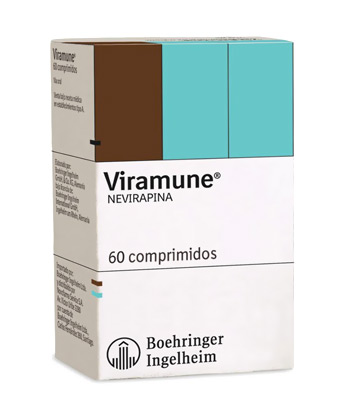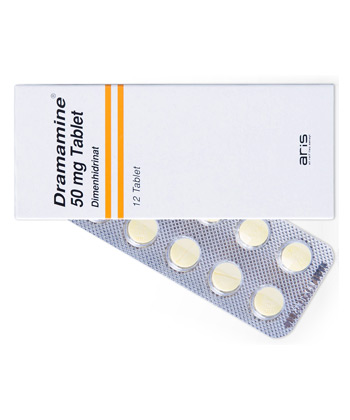
Podofilm

Podofilm
- You can purchase podofilm without a prescription in our pharmacy, with delivery available throughout Canada. Discreet and anonymous packaging.
- Podofilm is used for the treatment of genital warts and plantar warts. It acts by disrupting the growth of wart tissue through its active ingredients, podophyllotoxin or podophyllum resin.
- The usual dosage for podofilm varies: resin solution is applied once weekly for up to 6 weeks, and the 0.5% gel/cream is applied twice daily for 3 days followed by 4 days off, for up to 4 cycles.
- The form of administration includes a topical solution, cream, or gel.
- The effect of podofilm typically begins within a few hours after application, depending on the form used.
- The duration of action for podofilm is up to 6 weeks for resin use, while the 0.5% cream can be used in cycles as specified above.
- It is advised to avoid alcohol while using podofilm due to the potential for increased irritation and sensitivity.
- The most common side effect is local burning or irritation at the application site.
- Would you like to try podofilm without a prescription?
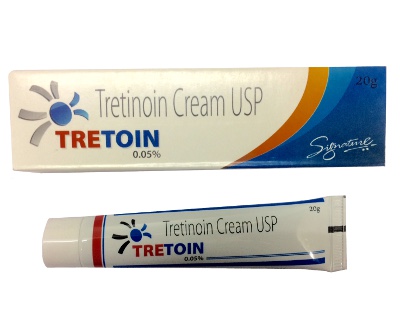
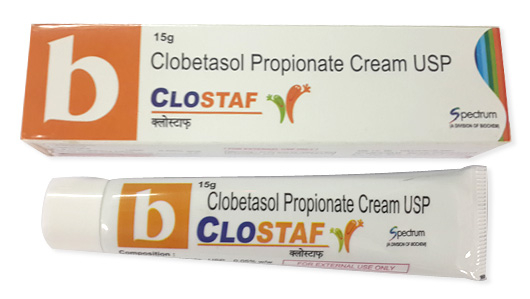
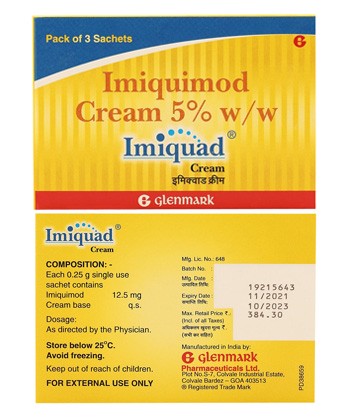
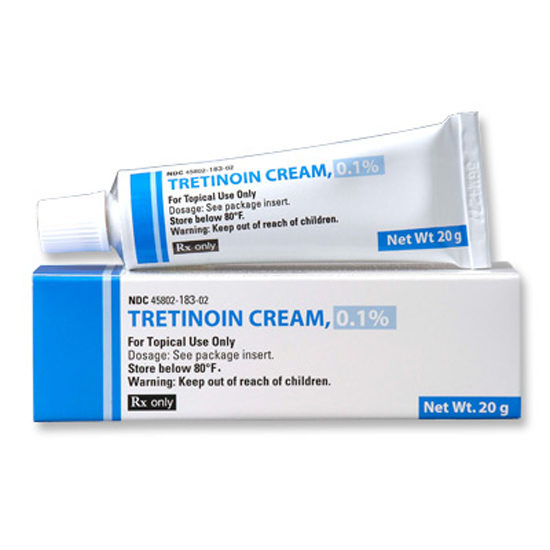
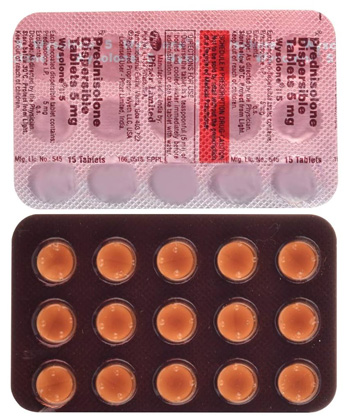

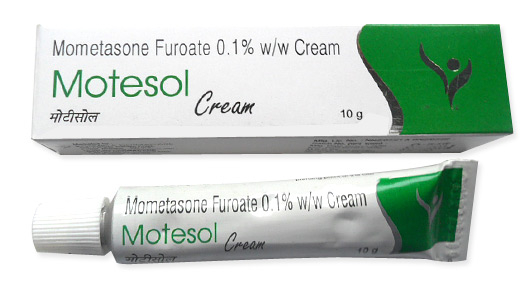
Basic Podofilm Information
- INN (International Nonproprietary Name): Podophyllotoxin
- Brand names available in Canada: Condyline, Warticon
- ATC Code: D06BB04
- Forms & dosages: Topical solutions, creams
- Manufacturers in Canada: Meda, Glenmark
- Registration status in Canada: Prescription
- OTC / Rx classification: Prescription only
Critical Warnings & Restrictions In Canada
Podophyllotoxin, derived from the Podophyllum plant, is used primarily for the topical treatment of warts. However, it carries significant safety warnings that must be prioritized. Classified as a prescription drug, this medication holds potential toxicity risks, especially for vulnerable populations including the elderly, pregnant individuals, and those with pre-existing health conditions. It's crucial to understand that improper usage could lead to severe side effects, making healthcare oversight vital.
High-Risk Groups
Specific populations should exercise heightened caution when using Podophyllotoxin:
- Elderly: Increased susceptibility to adverse reactions can occur, necessitating careful monitoring when prescribed.
- Pregnant Individuals: The use of Podophyllotoxin is strictly contraindicated due to its teratogenic effects, meaning it can harm fetal development.
- Indigenous Health Considerations: Cultural and social determinants of health may influence the sensitivity to side effects in various Indigenous communities.
Interaction With Activities
Patients taking Podophyllotoxin should be aware of its potential impact on daily functions. Given that the medication can cause dizziness, drowsiness, or impaired coordination, caution is advised regarding activities that require full mental alertness and physical ability. It’s essential to practice general safety measures, especially for those operating vehicles or machinery. Always consider workplace safety regulations under Canadian law, which require individuals affected by medications to act responsibly.
Q&A — “Can I Drive After Taking It In Canada?”
Q: Can I drive after taking Podophyllotoxin?
A: If you've experienced dizziness or drowsiness, avoid driving. Always consult your healthcare provider about your specific circumstances.
Usage Basics For Canadians
Understanding how to properly use Podophyllotoxin is vital under Health Canada's directives. Regular monitoring and thorough documentation are necessary to ensure safe treatment. Prescription guidelines dictate that this medication should only be obtained through a healthcare provider, reinforcing its regulated status. This prioritizes patient safety and ensures that care is tailored to individual health needs.
INN, Brand Names Available In Canada
In Canada, Podophyllotoxin is marketed under several brand names including:
- Condyline - used for external genital warts
- Warticon - another topical solution for wart treatment
Legal Classification Under Health Canada
Podophyllotoxin is classified strictly as a prescription-only medication according to Health Canada guidelines. This classification reflects its potential risks and the necessity for professional supervision during its use, thereby ensuring patient safety while treating conditions like warts.
Canadian Dosing Guide
Proper understanding of dosing regimens allows for effective and safe treatment with Podophyllotoxin. Health Canada provides specific recommendations for its use to maximize benefits while minimizing risks.
Standard Regimens
Health Canada has approved various dosing regimens, primarily for the treatment of genital, anal, and plantar warts:
- Genital Warts: A 0.5% gel or cream can be self-applied twice daily for three days, followed by four days off. This cycle can be repeated for up to four times.
- Plantar Warts: Typically treated by a healthcare provider using the 25% resin solution, applied weekly for up to six weeks.
Adjustments For Comorbidities
For patients with additional health conditions such as diabetes, caution is advised regarding dosage. Conditions affecting drug absorption can influence the effectiveness and safety of Podophyllotoxin. Careful assessment by healthcare professionals is essential for individuals with comorbidities to mitigate risks associated with treatment.
Q&A — “What If I Miss A Dose Under My Provincial Drug Plan?”
Q: What should I do if I miss a dose?
A: Skip missed doses and resume the normal schedule. Do not double doses.
Interaction Chart (Canadian Context)
Awareness of interactions is essential for anyone using Podophyllotoxin. Interactions can occur with certain foods, drugs, and activities, necessitating regular consultations with healthcare providers to ensure safe use.
Food And Drinks
Common dietary choices in Canada may interact with Podophyllotoxin:
- Caffeine: May have slight stimulatory effects that, when combined with dizziness from the medication, could increase risks.
- Alcohol: Combining with alcohol can amplify side effects.
Common Drug Conflicts
Individuals should remain informed about potential drug interactions. Health Canada’s guidelines offer crucial insights into how Podophyllotoxin might interact with other prescriptions, reinforcing the importance of coordinated treatment plans.
User Reports & Trends In Canada
Insights from Canadian patient forums and user reviews reveal trends in the experiences of those using Podophyllotoxin. Feedback often shapes the understanding of its effectiveness and safety, offering valuable perspectives for both users and healthcare providers.
Canadian Patient Forums And Review Platforms
Patients frequently share their experiences, which can guide others in their treatment journey. These discussions highlight individual concerns, effectiveness, and side effects, forming a meaningful community resource.
Community Pharmacy Feedback
Community pharmacies play a vital role in managing patient expectations and experiences with Podophyllotoxin treatment. Pharmacists provide essential guidance, helping individuals navigate their treatment effectively and safely.
Access & Purchase Options
For individuals navigating the process of acquiring Podophyllotoxin, knowing where and how to obtain this essential medication in Canada is crucial. Safety should always be a priority, and that includes understanding the legal regulations and available resources. Fortunately, there are numerous access points, including major pharmacy chains and online options that cater to diverse needs. Below is an exploration of these purchase options and the considerations that accompany them.
National pharmacy chains
Prominent pharmacy chains across Canada, such as Shoppers Drug Mart, Rexall, London Drugs, and Jean Coutu, carry Podophyllotoxin in various forms, including topical solutions and creams. Availability can vary by location, but generally, a consistent supply is maintained. The price for Podophyllotoxin varies, with prescription formulations typically needing a doctor's authorization. Some insurance plans may cover the cost of Podophyllotoxin, but coverage details can differ widely. It's wise to inquire about your specific insurance policy before purchasing, as this can significantly impact out-of-pocket expenses. Patients are encouraged to call their local pharmacy ahead of time to confirm availability and pricing, ensuring a smoother purchasing experience.
Online pharmacies in Canada & provincial restrictions
Purchasing Podophyllotoxin through online pharmacies is also an accessible option for many Canadians. When considering this route, it is essential to verify the legitimacy of the online pharmacy. Legal guidelines require that prescription medications are dispensed by licensed pharmacies only. Each province in Canada may have unique restrictions, so it’s advisable to consult local laws and confirm the site's licensing status before making a purchase. Many reputable online pharmacies offer security guarantees to safeguard patient information during the transaction.
Mechanism & Pharmacology
Podophyllotoxin operates pharmacologically by disrupting the cell division process of wart cells, making it particularly effective against external genital warts. Approved by Health Canada, Podophyllotoxin serves as a topical treatment that affects the HPV-infected cells while minimizing damage to healthy tissue. Understanding this mechanism sheds light on why it is a preferred choice in dermatological and gynecological practices.
Simplified explanation (patient-friendly)
Think of Podophyllotoxin as a specialized fighter targeting the bad guys—warts! It works by stopping the cells that have turned into warts from multiplying. By applying it directly to the wart, the medicine attacks the infected cells, helping to banish those unwanted growths while being gentle on the surrounding skin. It’s a simple, effective solution for a rather common problem.
Clinical terms
In clinical settings, Podophyllotoxin functions as a cell cycle inhibitor, targeting microtubules during mitosis. Its mechanism results in the destruction of the wart cells by inducing apoptosis. Health Canada has specifically authorized it under the DIN for treating external genital warts, and its efficacy, backed by research, confirms its position in therapeutic dermatology. It is registered under the ATC Code D06BB04, clarifying its categorization as a topical chemotherapeutic agent.
Indications & Off-Label Uses in Canada
Podophyllotoxin’s primary application is for the treatment of external genital warts, an indication recognized by Health Canada. However, Canadian healthcare practitioners sometimes employ it in off-label scenarios, showcasing its versatility in managing various dermatological concerns.
Approved indications
The main indication for Podophyllotoxin is the treatment of external genital warts, per Health Canada’s directive. Approved formulations typically include a 0.5% cream, designed for patient self-application under specific regimens. This therapeutic strategy has proven effective in clinical environments, providing a reliable option for managing this often-embarrassing issue.
Common off-label practices
Some Canadian physicians have used Podophyllotoxin off-label to treat other types of warts, such as plantar warts, taking advantage of its cell cycle-inhibiting properties. Anecdotal evidence from clinical practice supports its effectiveness beyond the approved indications, albeit within the bounds of patient safety and professional judgment.
Key Clinical Findings
Recent studies have underscored Podophyllotoxin’s safety and efficacy, highlighting its role in managing warts effectively. This evidence is crucial for both patients and prescribers in making informed decisions about treatment options.
Canadian and international studies 2022–2025
Recent studies from Canada and other countries have illustrated the effectiveness of Podophyllotoxin in reducing wart lesions. Clinical trials demonstrate that treatment durations of up to six weeks yield significant improvement in lesion clearance rates. Furthermore, comparative analyses demonstrate its efficacy against alternative treatments, reaffirming its place in therapeutic dermatology.
Ongoing Health Canada safety monitoring
Health Canada employs comprehensive safety monitoring protocols to ensure Podophyllotoxin's sustained safety in clinical practice. Regular assessments and updates to its monograph help to identify new safety concerns, contributing to ongoing transparent communications with healthcare providers and patients alike.
Alternatives Matrix
Understanding the alternatives to Podophyllotoxin is essential for making informed decisions about wart treatment options. Various treatments exist in Canada, offering a spectrum of approaches depending on patient needs and preferences.
Comparable medicines with DIN in Canada
Alternatives to Podophyllotoxin include Imiquimod, which is an immune response modifier, and other treatments such as cryotherapy and trichloroacetic acid. Each option has specific classifications under Canadian drug laws, with distinct usage indications and application methods, aiding clinicians in selecting the most appropriate treatment plan.
Pros and cons checklist
- Podophyllotoxin: Effective, targeted action.
- Imiquimod: Boosts immune response, suitable for various wart types.
- Cryotherapy: Quick application, usually professional, yet can be painful.
- Trichloroacetic acid: Effective for superficial warts, but requires professional application.
Each option presents unique benefits and drawbacks, allowing patients to discuss and evaluate the best course of action with their healthcare providers.
Common Questions from Canadian Patients
When considering the use of Podophyllotoxin, Canadian patients often have several important questions that reflect common concerns. Here’s a look at some of those queries:
- How effective is Podophyllotoxin for treating genital warts?
- What side effects should I be aware of?
- Can I purchase Podophyllotoxin without a prescription?
- How do I apply the treatment correctly?
- What should I do if I miss a dose?
- Are there any special storage requirements?
- Is Podophyllotoxin safe for use during pregnancy?
Suggested Visual Content
Infographics on provincial drug plan coverage
Creating infographics that highlight the provincial drug plan coverage for Podophyllotoxin can significantly benefit patients. These visuals should clearly outline:
- What patients need to qualify for drug coverage.
- The potential costs involved.
- Steps to navigate applying for assistance.
These visual aids could be shared online or made available in clinics, helping patients easily grasp their options for accessing affordable treatments.
Canadian pharmacy purchase flowcharts
Flowcharts illustrating the pharmacy purchase process for Podophyllotoxin can streamline the experience for patients. Consider these features:
- Step-by-step guidance on how to approach pharmacy staff.
- Information required for purchasing.
- How to check coverage with provincial plans.
Effective flowcharts can enhance understanding, reduce confusion, and lead to a smoother acquisition of necessary medications.
Registration & Regulation
The regulatory framework surrounding Podophyllotoxin in Canada involves thorough considerations. Health Canada plays a critical role in ensuring safety and efficacy for patients.
Health Canada approval
Podophyllotoxin undergoes a rigorous approval process by Health Canada. This includes comprehensive review protocols that assess:
- Clinical efficacy.
- Safety profiles through clinical trials.
- Manufacturing practices and quality controls.
Once approved, the product must continually meet safety standards and effectiveness. This pathway ensures that only safe medications reach the market.
DIN number and labelling requirements
Every approved drug, including Podophyllotoxin, receives a Drug Identification Number (DIN). This unique identifier is crucial for maintaining:
- Patient safety.
- Traceability of formulations.
- Clear labelling that provides necessary usage information.
Storage & Handling
Standard Canadian household conditions
For optimal preservation, Podophyllotoxin should be stored at temperatures between 15–30°C. It’s important to keep products away from light and out of children's reach.
Cold-chain requirements (where applicable)
While Podophyllotoxin generally does not require cold-chain conditions, if a specific formulation does, it’s essential to adhere to those guidelines, ensuring proper effectiveness.
Guidelines for Proper Use
Canadian pharmacist guidance
Pharmacists play an essential role in the safe use of Podophyllotoxin, offering valuable advice on:
- How and when to apply the treatment.
- Monitoring for side effects.
- Compliance with prescribed regimens.
They remain a go-to resource for questions on treatment and can provide supportive care when needed.
Provincial health authority recommendations
Depending on the region, health authorities may issue specific guidelines tailored to local practices and patient demographics. These recommendations ensure:
- Alignment with provincial healthcare goals.
- Addressing unique patient needs and contexts.
- Supporting optimal treatment outcomes for various populations.
Staying informed about provincial guidelines is crucial for both pharmacists and patients to enhance treatment effectiveness.
| City | Region | Delivery time |
|---|---|---|
| Toronto | Ontario | 5–7 days |
| Vancouver | British Columbia | 5–7 days |
| Montreal | Quebec | 5–7 days |
| Calgary | Alberta | 5–7 days |
| Ottawa | Ontario | 5–7 days |
| Edmonton | Alberta | 5–7 days |
| Winnipeg | Manitoba | 5–7 days |
| Halifax | Nova Scotia | 5–9 days |
| Victoria | British Columbia | 5–7 days |
| Regina | Saskatchewan | 5–9 days |
| Saskatoon | Saskatchewan | 5–9 days |
| St. John's | Newfoundland and Labrador | 5–9 days |
| Charlottetown | Prince Edward Island | 5–9 days |
| Yellowknife | Northwest Territories | 5–9 days |