Permethrin
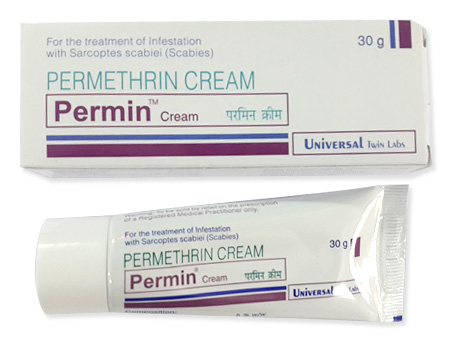
Permethrin
- In our pharmacy, you can buy permethrin without a prescription, with delivery in 5–14 days throughout Canada . Discreet and anonymous packaging.
- Permethrin is used for the treatment of scabies and head lice. The drug acts as a neurotoxin to the parasites, disrupting their nervous system.
- The usual dosage for scabies is a full tube (30g/60g of 5% cream) for adults, while for head lice, it involves applying the product to washed hair, saturating it, leaving it for 10 minutes, and rinsing.
- The form of administration is available as a cream, lotion, or spray.
- The effect of the medication begins within a few hours after application.
- The duration of action is typically 8-14 hours for scabies and is effective in a single treatment for lice, with a repeat dose if necessary after 7 days.
- Do not consume alcohol.
- The most common side effect is local irritation, including burning, stinging, and itching at the application site.
- Would you like to try permethrin without a prescription?
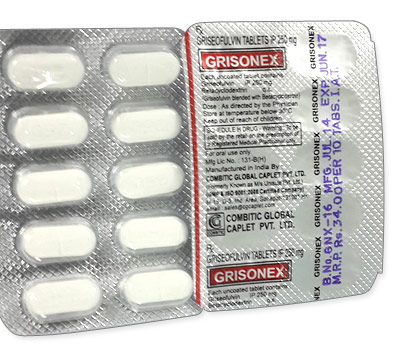
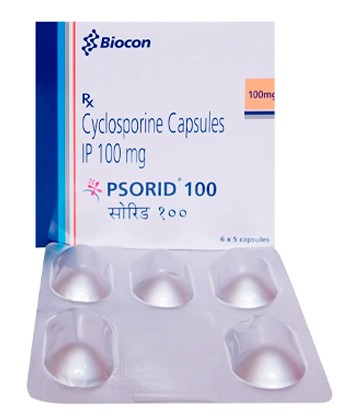
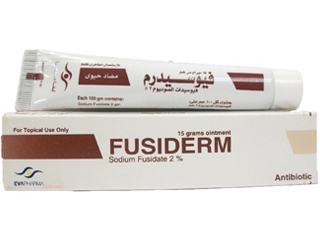
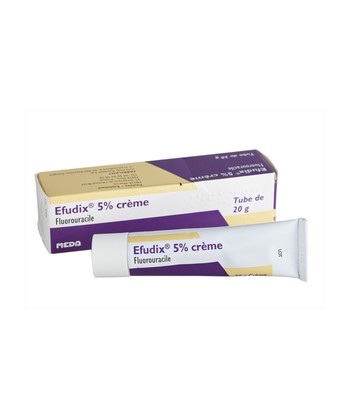
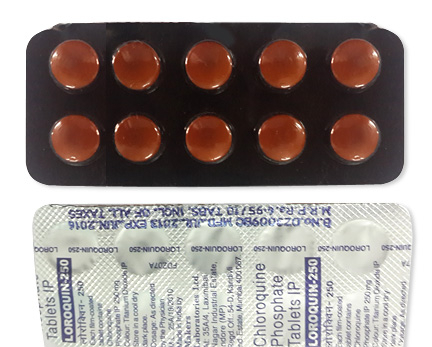

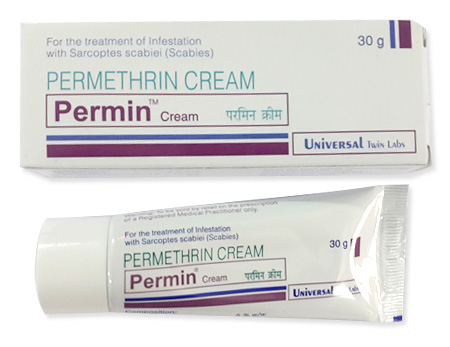
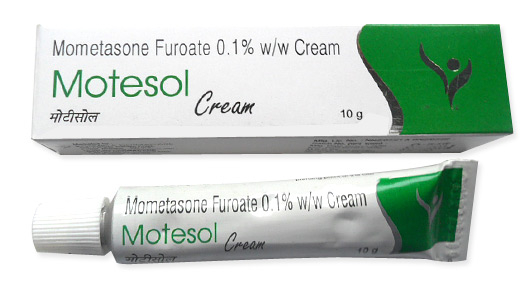
Basic Permethrin Information
- INN (International Nonproprietary Name): Permethrin
- Brand names available in Canada: Nix, Acticin
- ATC Code: P03AC04
- Forms & dosages: Cream (5%), Lotion (1%)
- Manufacturers in Canada: GlaxoSmithKline, Reckitt
- Registration status in Canada: Approved for local uses
- OTC / Rx classification: Available OTC (1%) and Rx (5%)
Critical Warnings & Restrictions in Canada
Before using permethrin, it's crucial to consult a healthcare professional, especially for individuals in high-risk categories. These include the elderly, pregnant women, and specific Indigenous health populations, who may have unique health considerations when using this treatment. Not seeking professional guidance jeopardizes health, as there could be significant side effects or contraindications specific to these groups.
High-Risk Groups (Elderly, Pregnant, Indigenous Health Considerations)
Utilizing permethrin can pose risks for certain high-risk demographics:
- Elderly Patients: They may experience increased skin sensitivity or have concurrent health issues that complicate treatment.
- Pregnant Women: While safety data are limited, it’s important to assess risks carefully, as the effects on fetal development are not fully understood.
- Indigenous Communities: Cultural factors, unique health disparities, and trust in medical systems can affect treatment adherence and outcomes. Tailored advice ensures that these individuals receive safe care.
Engaging with healthcare providers can help guide protective measures and tailor treatment approaches for each group's distinct needs.
Interaction With Activities (Driving, Machinery, Workplace Safety Under Canadian Law)
Using permethrin requires attention to certain precautions, especially for activities necessitating full concentration such as driving or operating machinery. After application, users may experience transient adverse effects, impacting alertness and reaction time. It is advisable to:
- Wait several hours before participating in complex tasks.
- Be aware of personal response to the medication.
- If feeling any adverse effects, refrain from driving or operating machinery until fully alert and stable.
Q&A — “Can I Drive After Taking It In Canada?”
It is generally advised to avoid driving right after applying permethrin, particularly if experiencing any side effects like dizziness or confusion. Allow at least a few hours for the initial effects to subside.
Usage Basics for Canadians
Permethrin application is straightforward, yet adherence to Health Canada guidelines is essential for effective and safe use. Following directions precisely—whether for scabies or lice treatment—ensures maximal effectiveness while minimizing potential risks or side effects. Always check the product label for specific instructions before use.
INN, Brand Names Available in Canada
Packing a punch in readability, here's a mixture of brand names and their specifics:
| Brand Name | Country/Region | Packaging / Dosage Form |
|---|---|---|
| Nix | Canada | Cream rinse (1%), lice kit |
| Acticin | Canada | Cream (5%) |
| Lyclear | UK/Europe | Cream (5%), lotion (1%) |
It’s imperative to seek out these reputable brands when purchasing permethrin to ensure efficacy and quality.
Legal Classification Under Health Canada (Prescription vs OTC)
Permethrin is classified in Canada as both a prescription and an over-the-counter remedy. The 1% formulation, suitable for lice treatment, can be readily purchased OTC, while the 5% cream formulation for scabies often requires a prescription. This dual classification allows for easier access, yet reflects varying levels of supervision and safety concerns.
Canadian Dosing Guide
Proper dosing of permethrin is key to its success in treating conditions like scabies and lice. Adhering to recommendations from Health Canada ensures that each application is effective. Always stay vigilant regarding the strength of the formula being used and follow prescribed guidelines.
Standard Regimens (Health Canada Approved)
Health Canada advises specific regimens based on the condition:
- Scabies: A full application of 5% cream, left on for 8-14 hours before rinsing. Repeat in one week if needed.
- Head Lice: Apply 1% lotion, leave in for 10 minutes, then rinse. Repeat after a week if live lice are found.
Adjustments for Comorbidities (e.g., Diabetes, Common in Canadian Population)
For individuals with pre-existing conditions, adjustments may be necessary:
- Diabetes: Monitor application and skin condition closely.
- Kidney or Liver Impairment: Usually, no adjustment is needed, but always consult a healthcare provider.
Q&A — “What If I Miss A Dose Under My Provincial Drug Plan?”
If a dose is missed, apply it as soon as remembered. However, do not double the dose to compensate. Consult a healthcare professional for advice tailored to the situation.
Interaction Chart (Canadian Context)
Awareness of potential interactions while using permethrin is crucial for safety. This includes interactions with food, drink, and other medications.
Food and Drinks (Coffee, Alcohol in Canadian Lifestyle)
While permethrin usage may not typically interact with food or drinks, maintaining a healthy lifestyle can enhance treatment outcomes. Excessive alcohol consumption could hinder overall health, so moderation is key.
Common Drug Conflicts (Refer to Health Canada Advisories)
Be aware of common medications that might interact negatively with permethrin. Always refer to Health Canada's advisories or consult healthcare professionals for comprehensive guidance on any potential interactions.
User Reports & Trends in Canada
Patient experiences concerning permethrin reveal a mixed bag of outcomes across various online forums. Positive sentiment often highlights the rapid effectiveness of permethrin against lice and scabies. Many users appreciate its quick action, leading to relief from itching, usually within a few hours after application. Negative reviews, however, caution about potential side effects like skin irritation and allergic reactions. Users commonly share detailed accounts of their treatment journeys, comparing outcomes after using different concentrations like 1% versus 5% permethrin cream for scabies.
Canadian patient forums and review platforms
Insights from Canadian forums indicate that while permethrin ranks high for effectiveness against both lice and scabies, the sentiments around side effects vary. Many patients report successful treatment with minimal adverse effects when using 1% permethrin lotion, especially for lice. Concerns arise around 5% formulations, which some users claim can irritate sensitive skin, leading to rashes. Recurring themes among personal reviews point to the significance of following application instructions, with users urging others to adhere to time recommendations for optimal results.
Community pharmacy feedback
Feedback from pharmacists across Canada emphasizes the importance of educating patients about the proper use of permethrin. They note that while it's a staple for lice and scabies treatments, pharmacists often advise caution regarding potential side effects like stinging and pruritus. Best practices include applying the cream evenly and avoiding contact with eyes. Community pharmacy staff indicate that patient education is crucial, especially for parents treating children. They often recommend waiting a few days to determine if additional applications are necessary, reinforcing the need for patience during the treatment process.
Access & Purchase Options
Canadians can conveniently obtain permethrin through multiple local options. Major pharmacy chains stock various formulations, from over-the-counter 1% lotions to prescription-only 5% creams for scabies treatment. Many individuals prefer visiting local pharmacies to discuss their needs with a pharmacist, ensuring they select the most appropriate product. Some may also explore options available at health food stores or clinics that offer specialized treatments.
National pharmacy chains
Major national pharmacy chains play a pivotal role in the accessibility of permethrin. Shoppers Drug Mart, Rexall, London Drugs, and Jean Coutu all carry permethrin products. Typically, Shoppers Drug Mart stocks both Nix and Acticin brands, with prices hovering around $15-$20 for a 30g tube of 5% cream. Rexall often promotes Nix as well, offering loyalty points for members. London Drugs presents competitive pricing for 1% and 5% formulations alike, while Jean Coutu emphasizes their customer service, helping clients understand the differences between the products. Prices can vary slightly based on location and promotional offers, providing some room for shoppers to save while addressing their treatment needs.
Online pharmacies in Canada & provincial restrictions
Online pharmacies provide another convenient avenue for accessing permethrin, although patients must navigate varying provincial regulations. For example, while many online retailers offer 1% formulations over the counter, others may require prescriptions for the stronger 5% formulations. Provinces such as Ontario and British Columbia boast a range of licensed online options, ensuring residents can receive their medications quickly. However, individuals should verify the legitimacy of online sources, ensuring they are compliant with local health regulations to avoid counterfeit products.
Mechanism & Pharmacology
Permethrin operates as an ectoparasiticide, effectively targeting lice and scabies by disrupting the nervous system of the parasites. Upon application, permethrin binds to sodium channels in nerve cells, causing paralysis and death in the targeted pests. With an impressive safety profile for human use, it is widely recommended for treating infestations.
Simplified explanation (patient-friendly)
Permethrin works by confusing lice and scabies mites. When applied to the skin or hair, it prevents the parasites from moving and feeding by disrupting their nervous systems, which leads to their death. It’s a bit like putting them into a deep sleep, making them unable to survive and reproduce. This is why many patients find such speedy relief!
Clinical terms
Permethrin, classified under ATC code P03AC04, exhibits significant efficacy as a topical ectoparasiticide. Its pharmacodynamic properties involve binding to segmental voltage-gated sodium channels, generating irreversible binding leading to hyper-excitation of nerve cells in insects. Health Canada has approved permethrin for use against scabies and lice, with recommended dosages tailored to age and health status. In clinical studies, permethrin has shown a solid safety and efficacy profile across populations.
Indications & Off-Label Uses in Canada
Permethrin is primarily indicated for the treatment of scabies and lice in Canadian patients. While these are the approved uses, off-label applications exist, primarily for treating other ectoparasitic infections.
Approved indications
| Indication | DIN |
|---|---|
| Lice treatment (1% Lotion) | 02281296 |
| Scabies treatment (5% Cream) | 02044643 |
Common off-label practices
In practice, some Canadian physicians implement permethrin for other parasitic infections. Off-label uses may include treatment for scabies in patients with sensitive skin or in combination therapies for resistant lice infestations. The rationale often stems from clinical observations of its efficacy across various ectoparasitic conditions, leveraging its safety profile for broader applications.
Key Clinical Findings
In recent years, permethrin has remained a critical treatment for parasitic infections such as scabies and lice in Canada. Clinical studies provide insights into its efficacy and safety. Research indicates that 5% permethrin cream is effective in treating scabies with a single application showing significant improvement in symptoms within 8-14 hours. 1% permethrin lotion, on the other hand, is commonly used for treating head lice in children and adults. Studies suggest a high cure rate, especially when applied correctly. Additionally, randomized control trials confirm that permethrin not only exterminates live lice but also effectively eliminates lice eggs when used as instructed.
Canadian and international studies 2022–2025
Recent research has enhanced the understanding of permethrin's role in managing ectoparasites. A 2023 study from Canadian dermatologists highlighted the effectiveness of 1% permethrin lotion in a pediatric population, reporting a cure rate of over 95%. Internationally, studies conducted in Europe and Asia also affirm the treatment's efficacy against lice and scabies, particularly in settings where other treatments failed. Moreover, a systematic review published in 2024 evaluated the safety and side effects of permethrin, confirming that while local irritation may occur, severe allergic reactions remain rare. A global perspective on its use indicates that adherence to application guidelines significantly reduces resistance development in lice.
Ongoing Health Canada safety monitoring
Health Canada actively conducts ongoing assessments of permethrin's safety profile. Monitoring involves evaluating reported adverse reactions and ensuring compliance with labelling requirements. The agency responds promptly to any safety concerns emerging from clinical use, engaging healthcare professionals and the public in awareness initiatives. Furthermore, Health Canada collaborates with international bodies to align its safety standards, maintaining vigilance over the effectiveness of permethrin in various populations, especially children and pregnant women.
Alternatives Matrix
For patients seeking alternatives to permethrin, several options exist that also address lice and scabies. These alternative treatments range from topical insecticides to non-toxic options. While permethrin is often preferred for its efficacy, alternatives may suit specific needs better, especially where sensitivities or ineffectiveness arises. Comparative effectiveness analyses show that some patients prefer non-pesticidal methods, including dimethicone-based treatments. It's crucial to carefully consider each treatment based on individual health conditions and preferences.
Comparable medicines with DIN in Canada
| Medicine Name | DIN | Formulation |
|---|---|---|
| Lindane | 02252049 | Cream |
| Malathion | 02239753 | Lotion |
| Crotamiton | 02227130 | Lotion |
| Dimethicone | 80006230 | Liquid |
Pros and cons checklist
- Pros of Permethrin: Highly effective, easy application, quick action.
- Cons of Permethrin: Possible skin irritation, concerns over resistance, possible allergic reactions.
- Pros of Alternatives: Non-pesticidal options available, lower risk of side effects.
- Cons of Alternatives: May be less effective, longer treatment durations needed.
Common Questions from Canadian Patients
Q: Is permethrin safe for children?
A: Yes, permethrin is safe for children over the age of 2 months when applied as directed.
Q: Can I use permethrin on my pets?
A: No, permethrin is toxic to cats. It's essential to use pet-specific treatments.
Q: How do I apply permethrin cream properly?
A: Apply to clean, dry skin covering the entire body from the neck down for scabies. For lice, apply to wet hair, leave for 10 minutes, then rinse.
Q: What should I do if I experience side effects?
A: If side effects occur, such as rash or irritation, discontinue use and consult a healthcare professional.
Suggested Visual Content
Infographics on provincial drug plan coverage
Creating an infographic detailing coverage for permethrin under provincial drug plans would be helpful for patients. This could highlight differences in coverage based on provincial regulations, eligibility criteria, and co-pay landscapes. Visual representation makes it easier to understand and access vital information about treatment affordability.
Canadian pharmacy purchase flowcharts
Developing a flowchart that illustrates the process of purchasing permethrin from local pharmacies in Canada could guide patients effectively. The flowchart can depict steps from prescription requirements to over-the-counter options, enhancing awareness of available treatment pathways. Visually mapping out potential choices empowers patients to explore their options with confidence.
Registration & Regulation
Permethrin is regulated under Health Canada as both an over-the-counter and prescription medication, depending on its concentration. The regulatory framework ensures safety and efficacy through strict compliance with therapeutic guidelines. As a registered ectoparasiticide, its marketing authorization is a result of extensive clinical evaluations and post-market surveillance.
Health Canada approval
The approval process for permethrin involves rigorous assessment of clinical data, safety profiles, and manufacturing practices. Following its initial approval, Health Canada continues to monitor the drug's safety and effectiveness in the market. The active involvement ensures that any emerging concerns are swiftly addressed, providing confidence in its use among healthcare professionals.
DIN number and labelling requirements
The Drug Identification Number (DIN) is crucial for tracking permethrin formulations in Canada. Each product's unique DIN ensures that it complies with regulatory standards for labelling, manufacturing, and marketing. Proper labelling ensures effective communication of the medication's intended use, dosage, and potential risks.
Storage & Handling
Standard Canadian household conditions
Permethrin should be stored at controlled room temperature, ideally between 20-25°C (68-77°F). Keeping it away from direct sunlight and moisture is essential for maintaining potency and longevity. Ensuring that the product is out of reach of children helps prevent accidental ingestion or misuse.
Cold-chain requirements (where applicable)
In general, permethrin does not require cold-chain storage. However, if any specific formulations do have refrigeration needs based on regional guidelines, it is vital to adhere to those protocols to ensure the drug's stability. Regular monitoring of storage conditions guarantees continuous integrity of the medication.
Guidelines for Proper Use
Canadian pharmacist guidance
Consulting with pharmacists can enhance the understanding of permethrin’s appropriate use. Pharmacists are valuable resources for practical advice on dosage, side effects, and safe application. Patients should feel empowered to discuss their experiences or concerns regarding the treatment for personalized recommendations.
Provincial health authority recommendations
Each province in Canada may have specific guidelines about the use of permethrin. Health authorities provide recommendations based on local epidemiological data and community health trends, guiding the choice of treatment. Keeping abreast of these guidelines ensures that patients receive up-to-date and contextually relevant information for managing their conditions.
| City | Region | Delivery time |
|---|---|---|
| Toronto | Ontario | 5-7 days |
| Vancouver | British Columbia | 5-7 days |
| Calgary | Alberta | 5-7 days |
| Montreal | Quebec | 5-7 days |
| Ottawa | Ontario | 5-7 days |
| Edmonton | Alberta | 5-7 days |
| Winnipeg | Manitoba | 5-9 days |
| Halifax | Nova Scotia | 5-9 days |
| Victoria | British Columbia | 5-9 days |
| Regina | Saskatchewan | 5-9 days |
| St. John’s | Newfoundland | 5-9 days |
| Charlottetown | Prince Edward Island | 5-9 days |