
Irbesartan

Irbesartan
- You can purchase irbesartan without a prescription at our pharmacy, with delivery available throughout Canada . Discreet and anonymous packaging is provided.
- Irbesartan is used to treat hypertension and diabetic nephropathy. It works as an angiotensin II receptor blocker, helping to relax blood vessels.
- The usual dosage of irbesartan is 150 mg once daily, which can be increased to a maximum of 300 mg if needed.
- The form of administration is a tablet.
- The effect of the medication typically begins within 1-2 hours after administration.
- The duration of action is approximately 24 hours.
- It is advised to avoid alcohol while taking this medication.
- The most common side effect is dizziness.
- Would you like to try irbesartan without a prescription?


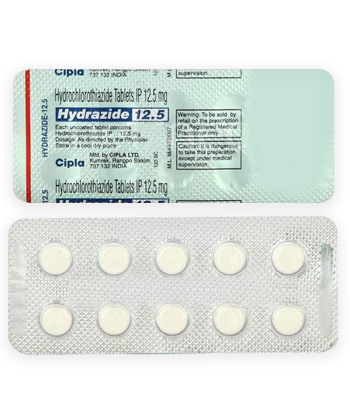
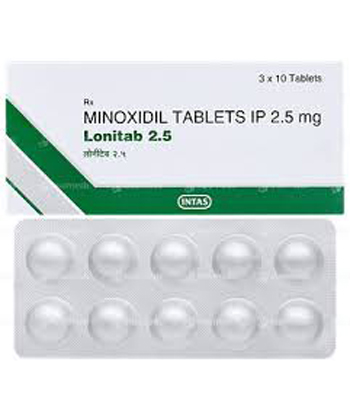
Basic Irbesartan Information
- INN (International Nonproprietary Name): Irbesartan
- Brand names available in Canada: Avapro, Karvea
- ATC Code: C09CA04
- Forms & dosages: Tablets available in strengths of 75 mg, 150 mg, and 300 mg
- Manufacturers in Canada: Sanofi, Bristol-Myers Squibb, Teva, Sandoz
- Registration status in Canada: Approved by Health Canada
- OTC / Rx classification: Prescription-only (Rx)
Critical Warnings & Restrictions In Canada
When discussing irbesartan, it's essential to consider critical warnings and restrictions, particularly for high-risk groups like the elderly, pregnant women, and Indigenous populations. These groups may face vulnerabilities that require special attention.
High-Risk Groups (Elderly, Pregnant, Indigenous Health Considerations)
Various populations might experience heightened risks while using irbesartan:
- Elderly: This age group may be more susceptible to the drug's side effects, including dizziness and hypotension. Regular monitoring of blood pressure is recommended.
- Pregnant Women: Use during pregnancy, especially in the second and third trimesters, poses potential risks to the fetus. Physicians recommend alternative treatments for managing hypertension in this group.
- Indigenous Populations: Unique health considerations affect Indigenous health, and proper screening should be done before initiating treatment with irbesartan.
Continuous monitoring is crucial for the above groups, as they may have different responses to the medication compared to the general population.
Interaction With Activities (Driving, Machinery, Workplace Safety Under Canadian Law)
There are potential interactions and side effects associated with irbesartan that can affect daily activities:
Dizziness and hypotension are common side effects, which can impair the ability to operate machinery or drive safely. These effects can lead to severe risks in the workplace.
According to Canadian Occupational Health and Safety (OHS) legislation, employers and employees must adhere to safety standards that recognize the potential impacts of such effects. Proper precautions and warnings should be noted on medication labels.
Q&A — “Can I Drive After Taking It In Canada?”
Driving after taking irbesartan should be approached with caution. While this medication primarily aims to manage hypertension, its side effects, such as dizziness or low blood pressure, can impact driving abilities. It is advisable for patients to assess their response to the medication before engaging in activities that require alertness.
Usage Basics For Canadians
Understanding the basics of irbesartan is essential for effective use. This medication is available in various forms and is classified under prescription-only status in Canada.
INN, Brand Names Available In Canada
In Canada, irbesartan is primarily marketed under brand names such as Avapro and Karvea. These medications are formulated in tablet form, which is available in specific strengths of 75 mg, 150 mg, and 300 mg.
Each brand may offer slightly different packaging, but the active ingredient remains consistent across formulations.
Legal Classification Under Health Canada
Irbesartan is strictly categorized as a prescription-only medication in Canada. Patients must obtain it through a licensed healthcare provider, ensuring that the use is tailored to their medical needs.
This legal classification emphasizes the importance of professional oversight in managing conditions like hypertension and diabetic nephropathy.
Canadian Dosing Guide
For individuals prescribed irbesartan, understanding the correct dosing is crucial for effective treatment.
Standard Regimens (Health Canada Approved)
The typical dosing regimen approved by Health Canada includes:
- Hypertension: Starting at 150 mg once daily, with a maximum of 300 mg.
- Diabetic Nephropathy: Similar initial dosing of 150 mg, with a gradual titration to 300 mg as tolerated.
Adjustments to the dosage may be made based on patient response and the advice of a healthcare professional.
Adjustments For Comorbidities
Patients with comorbidities, especially those common in the Canadian population such as diabetes, should consider the following:
- For diabetic patients, monitoring kidney function is essential, as irbesartan is utilized to manage hypertension related to diabetic nephropathy.
- The elderly population may not require significant dosage adjustments, though regular health evaluations are recommended to ensure safe use.
Individual health profiles should guide dosage and treatment plans to mitigate any risks.
Q&A — “What If I Miss A Dose Under My Provincial Drug Plan?”
If a dose of irbesartan is missed, the general guideline is to take it as soon as possible. However, if it's close to the next scheduled dose, it’s best to skip the missed dose and continue with the regular dosing schedule. Patients should not double up on doses.
Mechanism & Pharmacology
Simplified explanation (patient-friendly)
Understanding how irbesartan works can really help in managing blood pressure. Irbesartan is an Angiotensin II receptor blocker (ARB). It blocks the action of a hormone called angiotensin II that typically causes blood vessels to tighten. When this tightening happens, blood pressure increases. By blocking angiotensin II, irbesartan helps to relax and widen the blood vessels. This means blood can flow more easily, ultimately lowering blood pressure. Patients often find that lowering their blood pressure this way reduces the risks of heart attacks, strokes, and kidney problems. Because of its effectiveness, many doctors prescribe irbesartan for those dealing with hypertension or diabetic nephropathy.
Clinical terms (Health Canada approved monograph references)
Irbesartan, classified under ATC C09CA04, is an Angiotensin II receptor blocker (ARB) used primarily for hypertension management. It selectively inhibits the binding of angiotensin II, leading to vasodilation. Key terms include: Hypertension (high blood pressure), Diabetic nephropathy (kidney damage due to diabetes), Vasodilation (widening of blood vessels), and Pharmacokinetics (how the body absorbs, distributes, metabolizes, and excretes a drug). Irbesartan may also cause side effects like dizziness and hyperkalemia.
Indications & Off-Label Uses in Canada
Approved indications (DIN)
In Canada, irbesartan is primarily used for two approved indications: 1. Treatment of hypertension (high blood pressure) in adults. 2. Management of diabetic nephropathy in patients with type 2 diabetes and hypertension. Both indications are supported by its efficacy in lowering blood pressure and protecting kidney function. Doctors generally prescribe irbesartan as part of a broader management plan for these conditions. Safety and efficacy are monitored, with a standard initial dose of 150 mg daily for adults, which can be increased based on clinical response.
Common off-label practices (Canadian physicians)
Canadian physicians sometimes use irbesartan off-label for various conditions not officially approved. Some common off-label uses include heart failure management, hypertension resistant to other treatments, and protection against kidney damage in patients who are at high risk but do not yet have diabetes. While these applications can be beneficial, they are often based on clinical experience rather than rigorous trials. Patients are encouraged to discuss with their healthcare providers about the potential risks and benefits associated with off-label use.
Key Clinical Findings
Canadian and international studies 2022–2025
Recent studies, both in Canada and internationally, have reaffirmed the effectiveness of irbesartan in lowering blood pressure. An analysis covering 2022-2025 highlighted that patients using irbesartan achieved better blood pressure control compared to those on other antihypertensive medications. Additionally, the medication has shown promise in reducing the progression of kidney disease in diabetic patients. Safety profiles remain consistent, with minimal adverse effects reported in large-scale trials.
Ongoing Health Canada safety monitoring
Health Canada plays a crucial role in post-market surveillance by continuously monitoring the safety of irbesartan. Reports from healthcare professionals and patients help identify any emerging side effects or issues, ensuring that the medication remains safe for public use. Regular assessments also inform updates to product monographs and guidelines. Patients using irbesartan are encouraged to report any concerns or adverse effects to their healthcare provider, contributing to broader safety data.
Alternatives Matrix
Comparable medicines with DIN in Canada
For patients seeking alternatives to irbesartan, several other Angiotensin II receptor blockers (ARBs) are available in Canada. Notably, losartan, valsartan, and telmisartan serve as viable substitutes. Each alternative has similar indications for hypertension and heart failure, offering clinicians flexibility in treatment choices. Combining ARBs with diuretics like hydrochlorothiazide provides an additional option for blood pressure management.
Pros and cons checklist
When considering alternatives, here is a quick comparison:
- Pros: All ARBs share similar mechanisms, with varying individual responses. Some patients may tolerate one ARB better based on their health profiles.
- Cons: Each medication comes with its unique side effects and contraindications. For example, while irbesartan can lead to hyperkalemia, others may have different safety profiles.
Common Questions from Canadian Patients
Many questions arise for Canadians using irbesartan. - **What are common side effects?** Mild effects can include dizziness and fatigue, while more significant issues could involve kidney function changes. - **What if a dose is missed?** Patients should take the missed dose as soon as possible unless it’s near the next scheduled dose; doubling up should be avoided. - **Is irbesartan likely to cause weight gain?** While patients wonder if irbesartan causes weight gain, studies show this isn’t a common side effect. Discussing any concerns with a healthcare provider is always a good approach.
Suggested Visual Content
Infographics on provincial drug plan coverage
An effective way to communicate irbesartan coverage across Canadian provinces might include infographics displaying provincial formularies. Visuals comparing coverage levels can greatly inform patients about drug affordability. Graphs showing the different levels of co-pay across provinces could be particularly beneficial.
Canadian pharmacy purchase flowcharts
Creating flowcharts that outline the process of obtaining irbesartan from Canadian pharmacies can simplify patient understanding. These charts can illustrate steps from prescription acquisition to pharmacy pick-up or delivery options, showing patients what to expect. Including information about the possibility of buying irbesartan without a prescription could also clarify access routes.
Registration & Regulation
Health Canada ensures that medications like Irbesartan meet strict safety and efficacy standards before reaching consumers. The process of drug approval by Health Canada starts with a comprehensive application that includes clinical trial data. This data must demonstrate the drug’s effectiveness and safety for its intended use. Following this, Health Canada reviews the manufacturing process, product labeling, and proposed use. If the drug passes these assessments, it receives market authorization. This rigorous vetting process helps ensure that medications prescribed to Canadian patients, including Irbesartan used for hypertension and diabetic nephropathy, are safe and effective.
DIN number and labelling requirements
A Drug Identification Number (DIN) is crucial in Canada, serving as a unique identifier for any drug marketed in the country. It ensures that each medication complies with standards set by Health Canada. For Irbesartan, having a DIN means that it has gone through the regulatory process and is approved for use. Labeling must disclose vital information such as usage instructions, potential side effects, and contraindications. Consumers can rely on medicines that bear a DIN as having adhered to all safety and manufacturing regulations.
Storage & Handling
Standard Canadian household conditions
Proper storage of Irbesartan is fundamental to maintaining its efficacy. This medication should be stored in a cool, dry place, typically below 25°C (77°F). It must remain in its original packaging, away from moisture and direct sunlight. Keeping Irbesartan out of reach of children is crucial, as adverse effects can occur if ingested improperly. A few tips for storage include:
- Seal tightly to avoid moisture exposure.
- Check expiry dates regularly.
- Avoid the bathroom cabinet, as humidity can affect the drug.
Cold-chain requirements (where applicable)
For certain medications, maintaining a cold chain during transport is essential. While Irbesartan does not require refrigeration, related medications might. Always monitor conditions if transporting such drugs. A temperature control mechanism is essential for medications that are heat sensitive to prevent degradation and ensure effectiveness.
Guidelines for Proper Use
Canadian pharmacist guidance
Canadian pharmacists play an integral role in managing irbesartan therapy. They are equipped to provide insights into the appropriate irbesartan dosage, side effects, and drug interactions. Pharmacists can support patients by:
- Advising on potential Irbesartan alternatives.
- Helping monitor blood pressure levels.
- Providing medication reviews to ensure safety.
Provincial health authority recommendations
Each province may have specific guidelines regarding the use of irbesartan. These can include monitoring parameters, recommended dosages, or additional considerations for special populations. Staying updated with provincial health authority announcements can help align patient management with localized recommendations.
Delivery Information
| City | Region | Delivery time |
|---|---|---|
| Toronto | Ontario | 5–7 days |
| Vancouver | British Columbia | 5–7 days |
| Montreal | Quebec | 5–7 days |
| Calgary | Alberta | 5–7 days |
| Ottawa | Ontario | 5–7 days |
| Edmonton | Alberta | 5–7 days |
| Winnipeg | Manitoba | 5–7 days |
| Quebec City | Quebec | 5–9 days |
| Halifax | Nova Scotia | 5–9 days |
| Victoria | British Columbia | 5–9 days |
| Kitchener | Ontario | 5–9 days |
| London | Ontario | 5–9 days |
| St. John's | Newfoundland | 5–9 days |