Asthma is a chronic respiratory condition that affects the airways in your lungs, causing them to become inflamed, narrow, and produce excess mucus. This makes breathing difficult and can trigger coughing, wheezing, shortness of breath, and chest tightness. When asthma symptoms worsen suddenly, it's called an asthma attack or flare-up.
Asthma symptoms vary from person to person and can range from mild to severe. Common triggers include allergens like pollen, dust mites, pet dander, respiratory infections, cold air, exercise, stress, and certain medications. Recognizing your personal triggers is essential for effective asthma management.
In Canada, approximately 3.8 million people live with asthma, affecting about 10% of the population. This condition significantly impacts daily activities, school and work attendance, and overall quality of life. Proper diagnosis through lung function tests and working with healthcare providers to develop a comprehensive asthma action plan are crucial steps in managing this condition effectively and maintaining an active, healthy lifestyle.
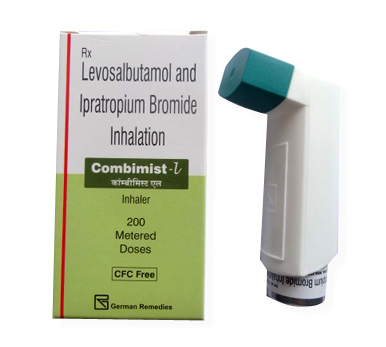
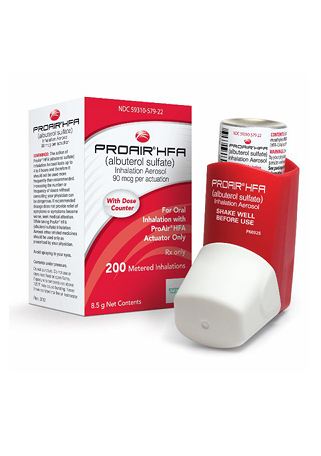
Quick-relief medications, also known as rescue inhalers or bronchodilators, are essential for treating sudden asthma symptoms and preventing them from becoming severe. These medications work rapidly to relax the muscles around your airways, making breathing easier within minutes of use.
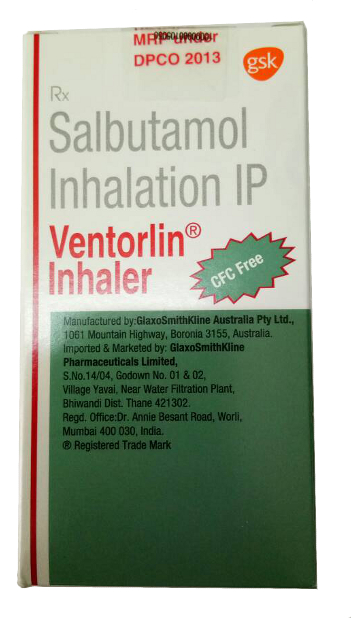
Salbutamol is the most commonly prescribed rescue medication in Canada, available under brand names including Ventolin HFA, Airomir, and Apo-Salvent. These inhalers should be used when you experience sudden onset of asthma symptoms such as wheezing, shortness of breath, or chest tightness.
Correct inhaler technique is crucial for medication effectiveness. Always shake the inhaler, exhale fully, place lips around the mouthpiece, press down while breathing in slowly and deeply, then hold your breath for 10 seconds. Wait one minute between puffs if a second dose is needed.
Always carry your rescue inhaler and ensure it's not expired. If you're using your rescue medication more than twice weekly, consult your healthcare provider as this may indicate poor asthma control requiring adjustment to your long-term treatment plan.
Daily controller medications form the foundation of effective asthma management for Canadians living with persistent asthma. These medications work continuously to reduce airway inflammation, prevent symptoms, and minimize the risk of asthma attacks. Unlike rescue inhalers used during emergencies, controller medications must be taken consistently as prescribed by your healthcare provider, even when you feel well.
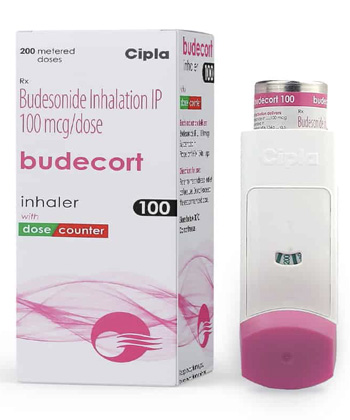
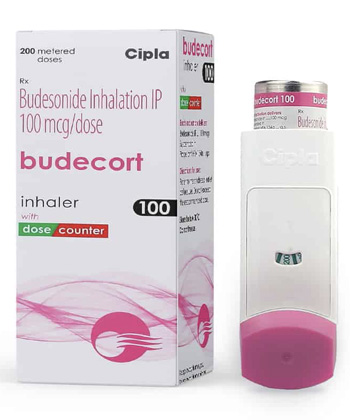
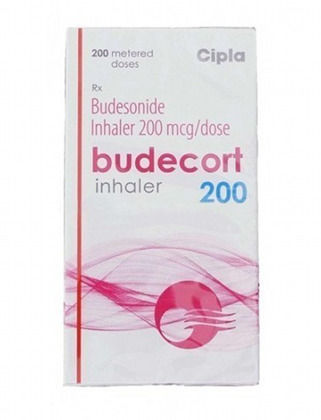
Inhaled corticosteroids are considered the gold standard for long-term asthma control. These medications directly target inflammation in the airways, reducing swelling and mucus production. Common options available in Canada include:
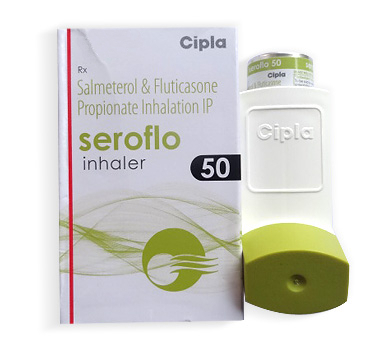
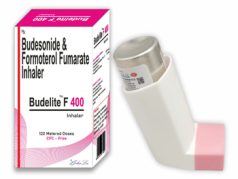
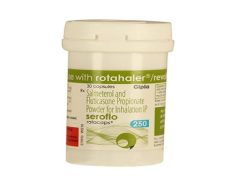
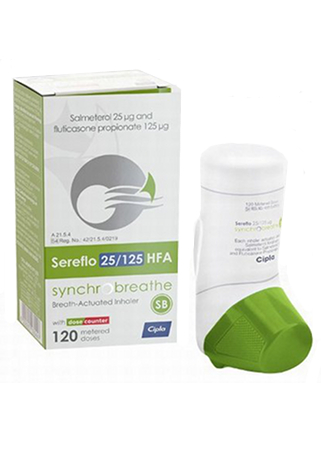
Combination inhalers provide both anti-inflammatory and bronchodilator effects in a single device, improving convenience and adherence. Popular combinations include Fluticasone/Salmeterol (Advair) and Budesonide/Formoterol (Symbicort). These medications combine corticosteroids with long-acting beta-agonists to provide comprehensive asthma control.
LABAs help keep airways open for extended periods, typically 12 hours or more. These medications are always prescribed alongside inhaled corticosteroids in Canada and should never be used alone for asthma treatment.
Medications like montelukast offer an alternative oral treatment option, particularly beneficial for patients with exercise-induced asthma or those who also suffer from allergies. These medications block inflammatory pathways and can be especially helpful for nighttime symptoms.
Proper inhaler technique is crucial for effective asthma management. In Canada, several types of inhaler devices are available through pharmacies, each designed to deliver medication directly to your lungs for optimal therapeutic benefit.
Metered-dose inhalers (MDIs) are pressurised devices that deliver a measured dose of medication with each actuation. They're portable and widely used but require coordination between pressing and breathing. Dry powder inhalers (DPIs) are breath-activated devices that don't require coordination, making them easier for some patients to use effectively.
Spacer devices significantly improve medication delivery when used with MDIs. These chamber-like attachments reduce the need for perfect timing and decrease medication deposits in your mouth and throat, ensuring more medicine reaches your lungs.
For MDIs with spacers: shake the inhaler, attach to spacer, exhale fully, seal lips around mouthpiece, press canister once, breathe in slowly and deeply, hold breath for 10 seconds, then exhale slowly. Clean your devices regularly with warm water and mild soap, allowing them to air dry completely.
Common mistakes include breathing too quickly, not shaking MDIs, and poor lip seal. Your pharmacist can demonstrate proper technique and provide valuable tips for optimal medication delivery.
Understanding your personal asthma triggers is essential for effective management. Common Canadian triggers include cold air, seasonal allergens like ragweed and tree pollen, dust mites, pet dander, and indoor air pollutants. Keep a symptom diary to identify patterns and potential triggers in your environment.
Canada's diverse climate presents unique challenges throughout the year. Winter's cold, dry air can trigger symptoms, whilst spring and summer bring allergens. Consider using air purifiers, maintaining humidity levels between 30-50%, and monitoring Environment Canada's air quality health index and pollen forecasts.
Regular physical activity benefits asthma management when done properly. Warm up gradually, choose indoor activities during poor air quality days, and always carry your reliever inhaler. A balanced diet rich in fruits and vegetables may help reduce inflammation.
Schedule regular check-ups with your healthcare provider every 3-6 months, even when feeling well. These appointments allow for medication adjustments, technique reviews, and early detection of changes in your condition. Your pharmacist plays a crucial role in medication management, providing refill reminders, drug interaction checks, and ongoing education.
Contact your healthcare provider if you experience increased rescue inhaler use (more than twice weekly), nighttime awakening due to symptoms, limitations in daily activities, or decreased peak flow readings. These indicators suggest your current treatment plan may need adjustment.
Call 911 immediately if you experience severe breathing difficulty, inability to speak in full sentences, blue lips or fingernails, or if your rescue inhaler isn't providing relief. Don't delay seeking emergency care when symptoms are severe.
Canadian resources include the Asthma Society of Canada, provincial lung associations, and Health Canada's respiratory health information. Many provinces offer asthma education programmes through hospitals and community health centres, providing additional support for optimal asthma management.