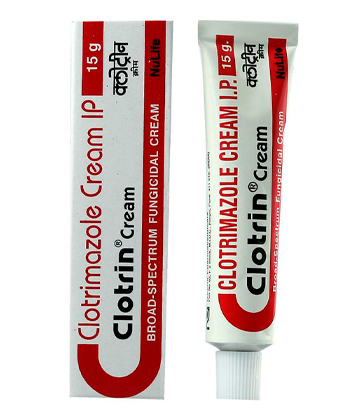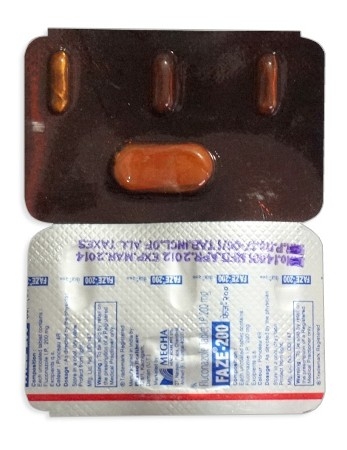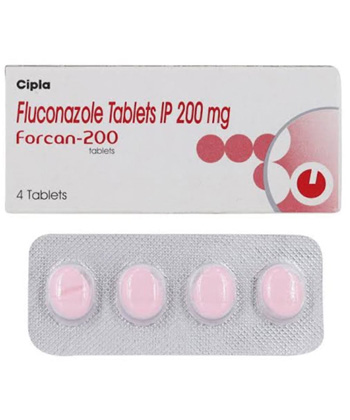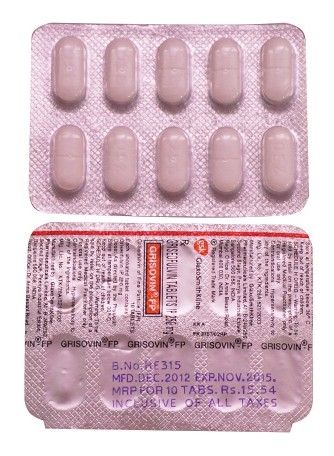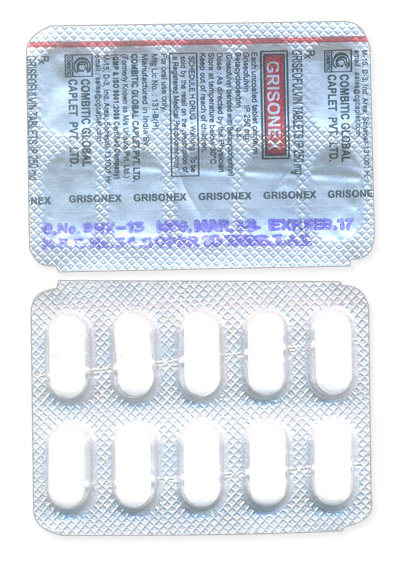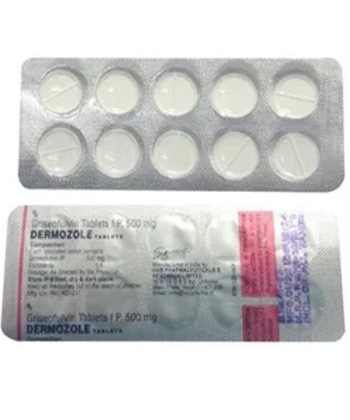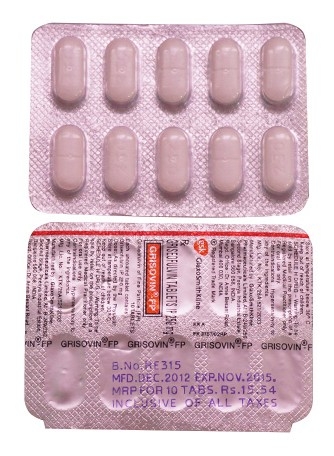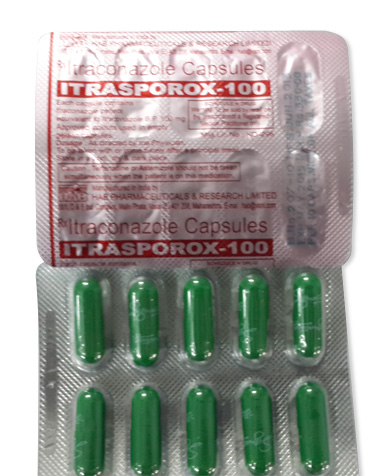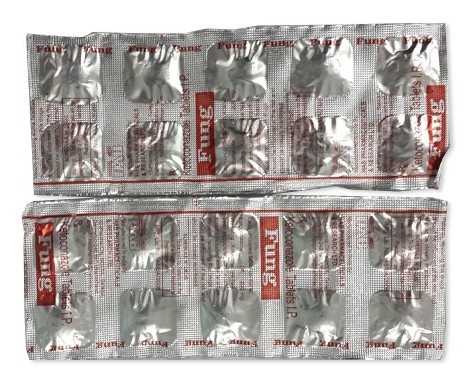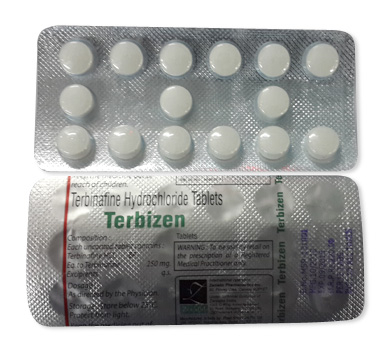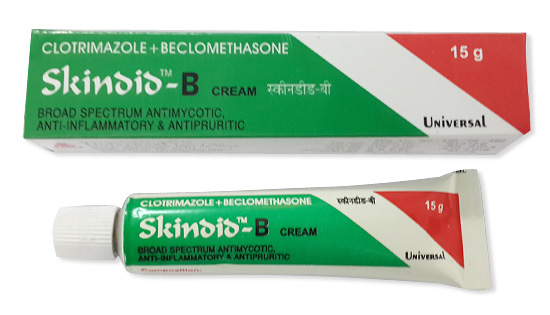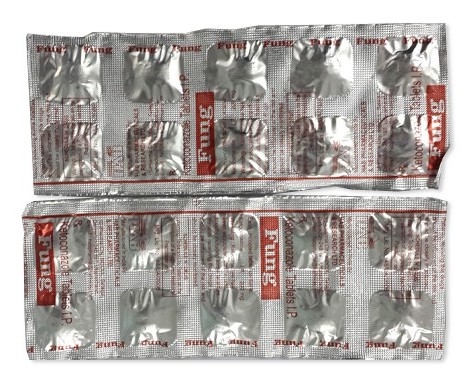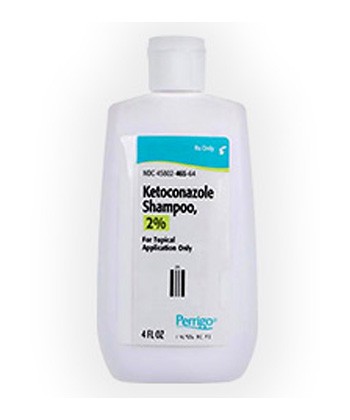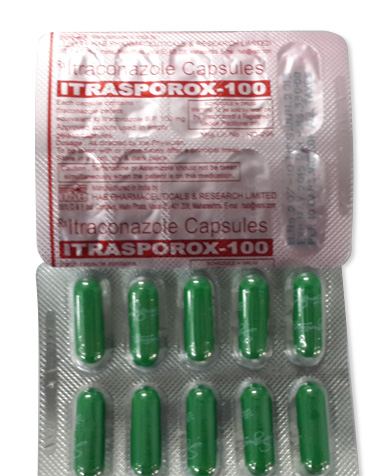
Antifungal medications are specialized drugs designed to combat fungal infections by targeting the cell walls and membranes of fungi, ultimately disrupting their growth and reproduction. These medications work through various mechanisms, including inhibiting enzyme production essential for fungal cell wall synthesis or interfering with the fungal cell membrane structure.
Antifungals effectively treat a wide range of fungal infections, from common conditions like athlete's foot, ringworm, and yeast infections to more serious systemic infections. They're particularly valuable for treating skin conditions such as jock itch, nail fungus, and oral thrush, as well as vaginal yeast infections.
Consider antifungal treatment when experiencing persistent itching, unusual discharge, skin discolouration, or other symptoms that may indicate a fungal infection. However, proper medical diagnosis is crucial before beginning any antifungal treatment. Many conditions can mimic fungal infections, and using the wrong medication may worsen symptoms or delay appropriate treatment. Canadian healthcare providers can perform necessary tests to confirm fungal infections and recommend the most suitable antifungal approach for your specific condition.
Canadian pharmacies offer various antifungal formulations to address different types and severities of fungal infections. Topical antifungals, including creams, ointments, powders, and sprays, are ideal for surface infections affecting the skin, nails, or external areas. These formulations provide targeted treatment with minimal systemic absorption.
Oral antifungal medications are prescribed for more extensive or persistent infections that don't respond adequately to topical treatments. These systemic medications circulate throughout the body, making them effective for internal infections or widespread skin conditions.
Popular brand names available across Canada include Canesten, Lamisil, and Diflucan, alongside numerous generic alternatives that offer the same active ingredients at more affordable prices. Your pharmacist can help you choose between brand-name and generic options based on your specific needs and budget considerations.
Athlete's foot is one of the most prevalent fungal infections affecting Canadians, particularly those who frequent gyms, pools, or wear tight-fitting shoes. This condition thrives in warm, moist environments and typically affects the spaces between toes. Treatment options include topical antifungal creams, powders, and sprays containing ingredients like terbinafine or miconazole. For persistent cases, oral antifungals may be recommended by healthcare providers.
Vaginal yeast infections are common among Canadian women, with symptoms including itching, burning, and discharge. Over-the-counter treatments include antifungal suppositories, creams, and oral medications. Treatment durations typically range from one to seven days, depending on the product strength and formulation chosen.
Canadian pharmacies offer comprehensive treatment solutions for multiple fungal conditions:
Canesten remains a trusted brand across Canada, offering solutions for various fungal infections. Their product line includes vaginal suppositories, topical creams for athlete's foot, and specialized formulations for different skin conditions. The active ingredient clotrimazole effectively treats most common fungal infections, making Canesten a go-to choice for many Canadians.
Monistat specializes in women's health, providing reliable yeast infection treatments with various application methods and treatment durations. Lamisil, containing terbinafine, is particularly effective for stubborn fungal conditions including nail fungus and athlete's foot. Diflucan offers systemic treatment options for more severe or recurrent infections, available through prescription.
Canadian pharmacies stock numerous generic antifungal products that offer the same active ingredients as brand-name medications at more affordable prices. These alternatives contain identical therapeutic compounds like fluconazole, miconazole, and terbinafine, providing equivalent effectiveness while helping Canadians save on healthcare costs. Generic options are Health Canada-approved and undergo the same rigorous testing standards as their brand-name counterparts.
Clean and thoroughly dry the affected area before applying antifungal medication. Apply a thin layer of cream, ointment, or powder as directed, extending slightly beyond the visible infection area. Wash your hands immediately after application unless treating hand infections. For nail infections, file nails short and apply medication to the nail bed and surrounding skin.
Continue treatment for the full prescribed duration, typically 2-4 weeks beyond symptom resolution to prevent recurrence. Common side effects include mild skin irritation, burning, or redness at the application site. Discontinue use if severe allergic reactions occur, such as swelling, intense itching, or difficulty breathing.
Be aware that certain antifungals may interact with blood thinners, diabetes medications, or other topical treatments. Pregnant or nursing women should consult healthcare professionals before use. Seek medical attention if infections worsen after one week of treatment, spread to new areas, or if you develop fever or signs of bacterial infection.
Maintain excellent personal hygiene by washing daily with antibacterial soap and drying thoroughly, especially in skin folds. Change socks and underwear daily, and avoid sharing personal items like towels, razors, or footwear. Keep feet dry and alternate shoes to allow proper air circulation.
Support your immune system through a balanced diet rich in probiotics, vitamins, and minerals. Limit sugar intake, as fungi thrive on glucose. Manage underlying health conditions like diabetes that increase infection risk. Consider preventive antifungal treatments if you're prone to recurrent infections, especially during humid Canadian summers or when using public facilities like pools and gyms.