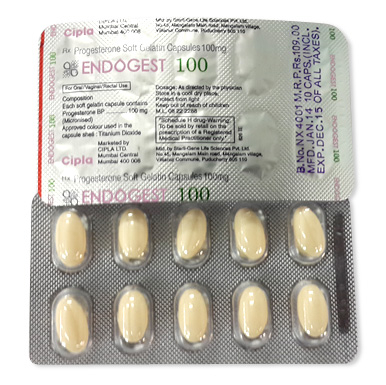
Rogaine
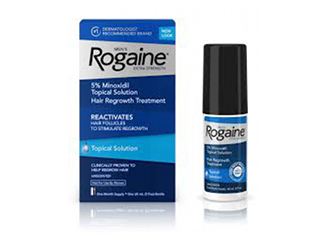
Rogaine
- In our pharmacy, you can buy Rogaine without a prescription, with delivery in 5–14 days throughout Canada . Discreet and anonymous packaging.
- Rogaine is intended for the treatment of androgenetic alopecia. The drug acts as a vasodilator, promoting hair regrowth by increasing blood flow to hair follicles.
- The usual dosage of Rogaine is 1 mL applied twice daily for the topical solution, or half a capful of the foam applied twice daily.
- The form of administration is a topical solution or foam.
- The effect of the medication begins within 4–6 months.
- The duration of action is indefinite, as continuous use is necessary to maintain results.
- Do not consume alcohol while using this medication, especially the oral form, due to the increased risk of side effects.
- The most common side effect is local scalp irritation, such as redness and dryness.
- Would you like to try Rogaine without a prescription?
Critical Warnings & Restrictions in Canada
Basic Rogaine Information
- INN (International Nonproprietary Name): Minoxidil
- Brand names available in Canada: Rogaine, Kirkland Signature
- ATC Code: D11AX01
- Forms & dosages: Topical solution, Foam (2% & 5%)
- Manufacturers in Canada: Kenvue Brands, Perrigo
- Registration status in Canada: Approved for OTC use
- OTC / Rx classification: Topical minoxidil (OTC), Oral minoxidil (Prescription only)
High-risk Groups (Elderly, Pregnant, Indigenous Health Considerations)
Caution is essential when considering the use of Rogaine among high-risk groups. Elderly individuals often experience altered absorption rates, which can affect how minoxidil works in their system. Plus, pregnant women must be particularly careful. Health Canada advises that safety data regarding the effects of Rogaine during pregnancy remains limited. Health Canada suggests consulting healthcare professionals before starting treatment, emphasizing the importance of discussing potential risks with a doctor. For Indigenous populations, culturally sensitive healthcare practices are essential, and discussing any health concerns with a knowledgeable provider can assist in making informed decisions about hair regrowth treatments.
Interaction With Activities (Driving, Machinery, Workplace Safety Under Canadian Law)
Rogaine can potentially impair an individual's ability to drive or operate machinery due to side effects, such as dizziness or feel generally unwell. This is crucial for workplace safety under Canadian law, which mandates that employees must not engage in activities that could jeopardize their safety or that of others if under the influence of medication affecting their performance. Employers are required to ensure a safe work environment. Users should consider waiting after application before engaging in potentially hazardous activities. Monitoring how Rogaine affects personal alertness and awareness helps prevent accidents. Understanding your reactions to treatments is vital and can assist in making responsible choices regarding work and daily activities.
Q&A — “Can I Drive After Taking Rogaine in Canada?”
Q: Can I drive after taking Rogaine?
A: Yes, it’s typically safe; however, be cautious of side effects like dizziness. Always consult your healthcare provider.
Mechanism & Pharmacology
Simplified explanation (patient-friendly)
Rogaine, known generically as minoxidil, works by increasing blood flow to hair follicles. This boost in circulation delivers essential nutrients and oxygen, stimulating hair regrowth. It encourages hair follicles in the resting phase to enter a growth cycle, leading to thicker and fuller hair. For those dealing with hair thinning or bald spots, daily application of Rogaine can help restore what was lost. It's easy to apply and can be used by both men and women as part of a daily routine.
Clinical terms (Health Canada approved monograph references)
Rogaine, or minoxidil, functions as a topical vasodilator, stimulating hair growth through increased dermal blood flow. Its pharmacological mechanism involves the stimulation of hair follicles by prolonging the anagen phase of the hair cycle. According to Health Canada-approved monographs, minoxidil is indicated for the treatment of androgenetic alopecia in adult men and women. Clinical definitions and cited references detail ongoing studies into its effectiveness and bioavailability. Per Health Canada standards, dosage adjustments exist for individuals with specific health considerations.
Indications & Off-Label Uses in Canada
Approved indications (DIN)
Rogaine has received a Drug Identification Number (DIN) from Health Canada, validating its use for treating androgenetic alopecia, a common form of hair loss in both men and women. It comes in topical foam and solution forms, with concentrations of 2% for women and 5% for men. The treatment is designed to promote hair regrowth and is applied directly to the scalp, targeting areas of thinning.
Common off-label practices (Canadian physicians)
In addition to treating androgenetic alopecia, physicians in Canada also commonly prescribe Rogaine off-label for various uses. This includes promoting beard growth, addressing thinning hair in both sexes, and even for hair growth in eyebrow areas. Reports suggest positive anecdotal evidence where individuals have experienced satisfactory results, leading to increased interest in Rogaine as a multi-purpose solution for hair concerns. Some have found that using Rogaine alongside other treatments may enhance results, though these practices should be approached with caution.
Key Clinical Findings
Canadian and international studies 2022–2025
Recent studies within Canada indicate that Rogaine is effective in promoting hair regrowth, reinforcing its credibility as a reliable treatment option. Clinical trials from 2022 to 2025 focus on varied patient demographics, revealing differing effectiveness based on age and underlying health conditions. Overall findings suggest that consistent application leads to observable hair rejuvenation over a period of several months.
Ongoing Health Canada safety monitoring
Health Canada continues to monitor the safety and efficacy of Rogaine, collecting data on potential adverse effects reported by users. This regulatory oversight ensures that Rogaine's labeling reflects any updated safety information or emerging concerns. As new data becomes available, adjustments to recommended usage or contraindications can be made, keeping patient safety a top priority.
Alternatives Matrix
Comparable medicines with DIN in Canada
Other medications for hair regrowth that have received DIN approval in Canada include Finasteride and various herbal and topical formulations. Comparing these to Rogaine, minoxidil generally shows quicker results, although alternatives may also work effectively depending on the individual’s hair loss type. Products such as Kirkland Minoxidil and various natural alternatives may offer patients different options to consider.
Pros and cons checklist
- Pros: Effective for many users, FDA/Health Canada approved, easy application.
- Cons: Requires ongoing use to maintain results, potential for side effects like scalp irritation.
Common Questions from Canadian Patients
Q: Is Rogaine safe to use for women? A: Yes, Rogaine is safe for women when applied as directed. Consult with a healthcare provider for tailored advice. Q: How effective is Rogaine on receding hairlines? A: Rogaine can be effective on receding hairlines, however, results can vary between individuals. Q: Can Rogaine cause shedding in the beginning? A: Some users experience shedding initially, which often indicates that new hair growth is beginning. Q: Can I use Rogaine on wet hair? A: It's recommended to apply Rogaine to a dry scalp for best results. Q: Are there any drug interactions? A: Always inform healthcare providers about all medications being used to avoid potential interactions.
Suggested Visual Content
Infographics on provincial drug plan coverage
Creating infographics that showcase the coverage of Minoxidil under provincial drug plans will help patients understand their financial options better. Visual aids can clarify when to use Rogaine and highlight potential cost support available across Canada.
Canadian pharmacy purchase flowcharts
Flowcharts can guide consumers through the purchasing process for Rogaine across various pharmacy outlets in Canada. This will help streamline the experience for potential users, ensuring they can find the right product efficiently whether they are shopping in-store or online.
Registration & Regulation
In Canada, the process for the approval of Rogaine, a popular minoxidil treatment for hair loss, involves strict guidelines established by Health Canada. The approval process requires robust clinical data proving the drug's safety and efficacy. Health Canada evaluates the drug's pharmacokinetics, pharmacodynamics, and potential side effects through a comprehensive review of clinical studies. This ensures that Rogaine meets the safety standards set by regulatory bodies for over-the-counter medications. Once approved, minoxidil is available for public use, allowing individuals facing hair loss to access effective treatments easily.
DIN number and labelling requirements
The Drug Identification Number (DIN) is crucial for Rogaine packaging in Canada as it indicates that the product has been reviewed and approved by Health Canada, ensuring authenticity and safety. Every package of Rogaine must display this DIN alongside detailed labeling instructions. These labels include usage directions, active ingredients, and potential side effects, all aimed at promoting patient safety. It's vital that consumers read these labels carefully to maximize benefits and minimize risks associated with using minoxidil for hair regrowth.
Storage & Handling
Standard Canadian household conditions
To ensure the effectiveness of Rogaine, proper storage is crucial. The optimal conditions involve keeping the product in a cool, dry place, away from direct sunlight, which can degrade the active minoxidil compound. Ideal storage temperatures range from 15°C to 30°C. Moisture can compromise the formulation, so storing the bottle tightly closed and in its original packaging is essential. Avoid placing Rogaine in bathrooms or areas where humidity fluctuates significantly as this could affect its performance.
Cold-chain requirements (where applicable)
While standard formulations of Rogaine do not require cold-chain management, certain special formulations may demand temperature regulation. For example, if minoxidil is combined with additional volatile ingredients, maintaining a consistent temperature is critical to preserving the drug's integrity. In cases where cold storage is necessary, products should remain refrigerated until use, as fluctuations in temperature can lead to decreased efficacy of the active ingredients in the topical application.
Guidelines for Proper Use
Canadian pharmacist guidance
Canadian pharmacists recommend specific best practices for effectively applying Rogaine to ensure maximum hair regrowth benefits. It's advised to use Rogaine consistently, applying it twice daily to a clean, dry scalp. For foam formulations, users should dispense half a capful of product, rub it into the scalp with fingers, and allow it to dry fully before styling hair. Patients should not wash their hair for at least four hours after application to ensure absorption. Patience is crucial, as visible benefits may take several months of continuous use.
Provincial health authority recommendations
Different provinces may offer tailored recommendations regarding using Rogaine, particularly in populations with unique needs or health concerns. For instance, some local health authorities may advise against the use of minoxidil for certain individuals, such as those with specific pre-existing scalp conditions or pregnant women, where the effects are not fully understood. It is always best to consult healthcare providers for personalized guidance on using Rogaine, ensuring safety and effectiveness in regrowth treatments.
| City | Region | Delivery time |
|---|---|---|
| Toronto | Ontario | 5–7 days |
| Vancouver | British Columbia | 5–7 days |
| Montreal | Quebec | 5–7 days |
| Calgary | Alberta | 5–7 days |
| Edmonton | Alberta | 5–7 days |
| Ottawa | Ontario | 5–7 days |
| Winnipeg | Manitoba | 5–9 days |
| Halifax | Nova Scotia | 5–9 days |
| Victoria | British Columbia | 5–9 days |
| St. John's | Newfoundland | 5–9 days |
| Regina | Saskatchewan | 5–9 days |
| Abbotsford | British Columbia | 5–9 days |