
Metformin
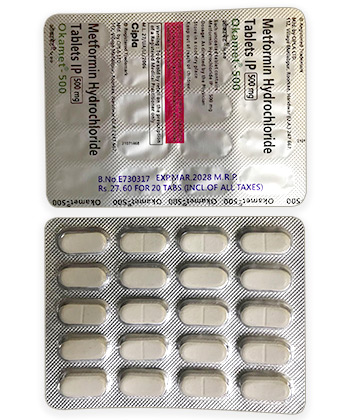
Metformin
- In our pharmacy, you can buy metformin without a prescription, with delivery in 5–14 days throughout Canada. Discreet and anonymous packaging.
- Metformin is used for the management of type 2 diabetes. The drug works primarily by decreasing glucose production in the liver and improving insulin sensitivity.
- The usual dosage of metformin for adults is 500 mg once or twice daily with meals, potentially increasing to a maximum of 2000–2550 mg/day divided.
- The form of administration is available as immediate-release and extended-release tablets, as well as an oral solution.
- The effect of the medication typically begins within 2–3 hours after administration.
- The duration of action is approximately 10–16 hours, depending on the formulation.
- Do not consume alcohol while taking metformin.
- The most common side effects include gastrointestinal upset such as nausea, diarrhea, and flatulence.
- Would you like to try metformin without a prescription?








Critical Warnings & Restrictions In Canada
Basic Metformin Information
- International Nonproprietary Name (INN): Metformin
- Brand Names Available in Canada: Glucophage, Fortamet, Glumetza, Riomet
- ATC Code: A10BA02
- Forms & Dosages: Tablets (500 mg, 850 mg, 1000 mg), Extended-release (750 mg, 1000 mg), Oral solutions (Riomet)
- Manufacturers in Canada: Bristol-Myers Squibb, Teva, Sandoz
- Registration Status in Canada: Prescription only
- OTC / Rx Classification: Rx only
Safety Overview
When prescribing metformin, adherence to Health Canada guidelines is crucial. Metformin is effective for managing blood sugar levels in patients with type 2 diabetes, but caution is necessary due to potential complications. One significant risk associated with metformin is lactic acidosis. This rare but serious condition can occur when the body produces too much lactic acid, leading to severe health problems.
High-Risk Groups
Certain populations are at greater risk when taking metformin:
- Elderly Patients: Generally, elderly individuals have a heightened risk of renal impairment. Reduced kidney function can lead to complications and requires careful monitoring.
- Pregnant Women: Metformin is often prescribed during pregnancy for conditions such as gestational diabetes. However, it is important to assess the risks and benefits before use.
- Indigenous Populations: Research indicates a significant prevalence of diabetes in Indigenous groups, along with unique health considerations that may influence metformin effectiveness and safety.
Interaction With Activities
When taking metformin, it’s essential to be cautious with daily activities, especially those requiring alertness. Side effects such as dizziness or fatigue can impact concentration and reflexes. Engaging in activities like driving or operating heavy machinery may pose safety risks.
Q&A — “Can I Drive After Taking It In Canada?”
Driving after taking metformin is generally safe for most individuals. However, it’s crucial for patients to monitor how they feel after ingestion. If any side effects like dizziness or sudden fatigue occur, it's advisable to refrain from driving until those symptoms resolve.
Additional Considerations
Taking metformin comes with various considerations. Regular monitoring of kidney function is essential, especially among high-risk groups. Patients are encouraged to report any unusual symptoms to their healthcare providers promptly. Furthermore, it’s necessary to maintain a balanced diet and lifestyle while on this medication to enhance efficacy and reduce side effects.
For further details and updates on the use and safety of metformin, patients and healthcare professionals can refer to official resources such as Health Canada.
Access & Purchase Options
When it comes to accessing Metformin in Canada, national pharmacy chains offer numerous options for patients. Major players like Shoppers Drug Mart, Rexall, and London Drugs ensure that Metformin is readily available to those in need. Whether it's the familiar 500 mg metformin pill or the extended-release variants, these pharmacies have a variety of forms to choose from. Customers can easily pick up their prescriptions while also consulting with pharmacists regarding any concerns they might have.
Online Pharmacies in Canada & Provincial Restrictions
Shopping for Metformin online can be a convenient alternative for many Canadians. It's important, however, to navigate the legal frameworks that vary by province. While online pharmacies are licensed to operate, ensuring they adhere to Health Canada guidelines is crucial. Signing up for an online account often requires providing a prescription, emphasizing safety in acquiring medications. Additionally, many online pharmacies require confirmation of eligibility, further regulating access. Consumers should always check if the pharmacy is licensed and validate its credentials to avoid counterfeit medications.
Mechanism & Pharmacology
Understanding how Metformin works is essential for patients managing diabetes or looking for potential off-label benefits. At its core, Metformin decreases blood sugar levels primarily by reducing liver glucose production. It enhances insulin sensitivity, which allows cells to utilize glucose more effectively. The result? A significant decrease in blood sugar levels post-meals, making it particularly beneficial for those with Type 2 diabetes. This action is what enables many users to also experience weight management effects, particularly in conditions like polycystic ovary syndrome (PCOS).
Clinical Terms
For clarity, let's break down some commonly used clinical terminology associated with Metformin as seen in Health Canada approved monographs:
- Biguinides: The class of drugs to which Metformin belongs, designed to manage blood glucose levels.
- eGFR: Estimated Glomerular Filtration Rate, a key measure used to assess kidney function, crucial for determining Metformin suitability.
- Hyperglycemia: A condition of elevated blood sugar levels that Metformin aims to correct.
Indications & Off-Label Uses in Canada
Metformin's approved indications extend beyond just managing Type 2 diabetes. It's also indicated for polycystic ovary syndrome (PCOS), showcasing its versatility. This condition often requires not just blood sugar management but also considerations like hormonal balance, weight control, and ovulation regulation. This multi-faceted approach allows healthcare providers to use Metformin effectively in broader contexts.
Common Off-label Practices
Beyond its primary indications, Canadian physicians are increasingly exploring Metformin's off-label uses, particularly for weight loss. Many non-diabetic patients are considering it as a potential tool for reducing excess weight, especially among individuals combating insulin resistance and metabolic concerns. Anecdotal letters and patient testimonials support its beneficial role in achieving weight loss goals without extensive side effects. While patients are encouraged to have open discussions with their healthcare providers, sharing insights from others can guide their treatment decisions.
Key Clinical Findings
Recent studies conducted in Canada and worldwide (2022-2025) have reinforced Metformin's efficacy and overall safety profile. Numerous trials highlight its role not just as a diabetes management tool but also in addressing cardiovascular health—an important aspect given the increased risk of heart disease in diabetes populations. Findings suggest that consistent Metformin usage contributes to a lowered risk of cardiovascular events, enhancing its appeal in holistic patient care.
Ongoing Health Canada Safety Monitoring
Health Canada plays a vital role in ensuring that the safety of Metformin remains under continuous surveillance. Regular assessments of clinical trial data and post-market surveillance inform healthcare providers about any emerging risks or side effects associated with Metformin. This ongoing monitoring is especially crucial given the evolving landscape of medication interactions and patient demographic changes.
Alternatives Matrix
For individuals seeking alternatives to Metformin, several comparable diabetes medications are available in Canada. These include SGLT2 inhibitors like Dapagliflozin and various oral hypoglycemic agents like Glyburide and Glimepiride. Each offers unique mechanisms and side effect profiles, allowing healthcare providers to tailor treatments to individual patient needs.
Pros and Cons Checklist
When comparing Metformin to its alternatives, consider the following:
- Metformin: Best for long-term weight control and minimal side effects. May cause gastrointestinal upset.
- SGLT2 Inhibitors: Good for additional cardiovascular benefits and weight loss, but may increase urinary infections.
- Sulfonylureas: Effective in lowering blood sugar quickly but carry risks of hypoglycemia.
Common Questions from Canadian Patients
Patients often have a range of queries and concerns regarding Metformin, underscoring the importance of clear communication with healthcare providers. Common inquiries include:
- What are the side effects of Metformin?
- Is it safe to consume alcohol while on Metformin?
- How long should Metformin be used?
- What lifestyle changes can enhance Metformin's effectiveness?
Understanding that side effects can include gastrointestinal disturbances and, rarely, lactic acidosis is crucial. Patients should also navigate dietary recommendations with special attention to interactions with alcohol and other medications. Addressing these common questions ensures informed decision-making and effective treatment plans tailored to each patient's unique health journey.
Suggested Visual Content
Infographics can be a powerful tool for visual storytelling, particularly around the coverage of Metformin across the provinces in Canada. A well-designed graphic can illustrate the differences in provincial drug plan coverage for this essential diabetes medication. Consider a map of Canada that highlights each province with colour coding to indicate the extent of Metformin coverage. This visual representation can help patients understand where they might face barriers or have support for their medication needs.
Canadian Pharmacy Purchase Flowcharts
Understanding the pharmacy purchasing process can demystify obtaining Metformin. Flowcharts can be invaluable here, offering a step-by-step depiction of how customers navigate the pharmacy experience. Break down the process into simple steps, such as:
- Checking with a pharmacist for prescription requirements.
- Identifying if generic alternatives are available.
- Discussing potential discounts or patient assistance programs.
- Completing the transaction efficiently.
Registration & Regulation
Health Canada Approval
Health Canada is the regulatory body overseeing the approval of Metformin in Canada. The process begins with extensive clinical trials to assess efficacy and safety. Manufacturers submit data, and if all requirements are met, Canada authorizes the product for sale. Health Canada continues to monitor the medication even after approval, ensuring ongoing safety assessments based on post-market surveillance.
DIN Number and Labelling Requirements
Each Metformin product is assigned a Drug Identification Number (DIN), essential for tracking medications in the Canadian market. The DIN is displayed prominently on packaging, aiding healthcare providers and patients in confirming the correct medication. Proper labelling requirements are crucial to prevent medication errors and ensure consumers are well-informed about potential side effects and usage instructions.
Storage & Handling
Standard Canadian Household Conditions
Storing Metformin properly is essential for maintaining its efficacy. It should be kept at room temperature, ideally between 15–30°C (59–86°F). Here are some practical tips:
- Store in a dry place, away from direct sunlight.
- Avoid humid areas like bathrooms.
- Ensure that children cannot access the medication.
Cold-Chain Requirements
Some formulations, especially solutions, may have specific cold-chain requirements. Keeping these products refrigerated ensures their stability and effectiveness. Patients should be aware of these needs, particularly if they are using Metformin in forms requiring temperature control.
Guidelines for Proper Use
Canadian Pharmacist Guidance
Pharmacists play a crucial role in guiding patients using Metformin. Here are key recommendations they often share:
- Consistently monitor blood sugar levels as advised.
- Take Metformin with meals to reduce gastrointestinal side effects.
- Report any unusual symptoms or side effects to a healthcare provider immediately.
Provincial Health Authority Recommendations
Guidelines vary by province, reflecting local health authority recommendations. For instance, some provinces may emphasize educational resources aimed at patients newly prescribed Metformin. Pharmacists and prescribers often refer to these localized guidelines to ensure optimal patient care.
Delivery Information for Metformin in Canada
| City | Region | Delivery Time |
|---|---|---|
| Toronto | Ontario | 5–7 days |
| Vancouver | British Columbia | 5–7 days |
| Montreal | Quebec | 5–7 days |
| Calgary | Alberta | 5–7 days |
| Ottawa | Ontario | 5–7 days |
| Edmonton | Alberta | 5–7 days |
| Quebec City | Quebec | 5–9 days |
| Halifax | Nova Scotia | 5–9 days |
| Victoria | British Columbia | 5–9 days |
| Regina | Saskatchewan | 5–9 days |
| St. John's | Newfoundland and Labrador | 5–9 days |
| Winnipeg | Manitoba | 5–9 days |
| London | Ontario | 5–9 days |