Ivermectin
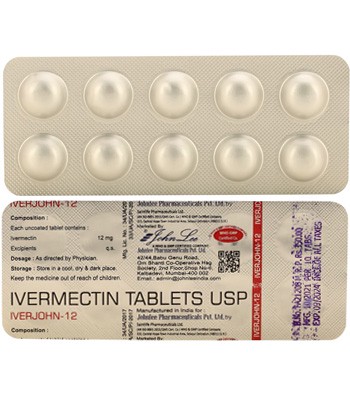
Ivermectin
- You can purchase ivermectin without a prescription at various pharmacies and online platforms, with delivery options available across Canada .
- Ivermectin is used to treat parasitic infections such as onchocerciasis, strongyloidiasis, scabies, and lice. It works by binding to and disrupting the nervous system of parasites, leading to their elimination.
- The usual dosage for adults varies by indication, typically ranging from 150 mcg/kg to 200 mcg/kg.
- The form of administration can include oral tablets or topical cream/lotion.
- The onset time for ivermectin can range from within a few hours to several days, depending on the condition being treated.
- The duration of action is usually from 24 hours to several days based on the indication and formulation.
- Alcohol consumption should be avoided while taking ivermectin to reduce the risk of side effects.
- The most common side effects include nausea, dizziness, and skin reactions such as rash or itching.
- Would you like to try ivermectin without a prescription?


Basic Ivermectin Information
- International Nonproprietary Name (INN): Ivermectin
- Brand names available in Canada: Mectizan, Soolantra, Stromectol, Sklice
- ATC Code: P02CF01
- Forms & dosages: Tablets, injections, creams
- Manufacturers in Canada: Merck, Galderma
- Registration status in Canada: Prescription-only (Rx) for oral forms, some topical forms may be OTC
Critical Warnings & Restrictions In Canada
Ivermectin is a prescription medication in Canada, regulated under Health Canada's stringent guidelines. Notably, it carries specific warnings crucial for patient safety.
Individuals with a known hypersensitivity to ivermectin or its components should avoid its use. Adverse reactions can occur, highlighting the importance of proper patient screening and education.
Patients must also be cautious with pre-existing medical conditions, particularly those involving severe liver or kidney disorders, as these can affect drug metabolism and effectiveness.
High-Risk Groups
Elderly And Pregnant Individuals
Older patients may experience increased sensitivity to ivermectin, requiring close monitoring for adverse effects. Additionally, pregnant women are advised to use ivermectin only when the benefits significantly outweigh the risks due to insufficient safety data. This precaution is essential to ensure maternal and fetal safety.
Indigenous Health Considerations
Indigenous populations in Canada may face increased risks related to ivermectin use due to genetic predispositions and varying health factors. Healthcare providers are encouraged to be culturally competent and to consider individual backgrounds during the prescribing process for ivermectin.
Interaction With Activities
Driving And Machinery
Patients are advised to refrain from driving or operating heavy machinery if experiencing side effects such as dizziness or drowsiness after taking ivermectin. This is vital to ensure personal and public safety under Canadian law.
Q&A — “Can I Drive After Taking It In Canada?”
Q: "Can I drive after taking ivermectin?"
A: It is advised to wait until you know how the medication affects you before driving.
User Reports & Trends in Canada
Within Canadian healthcare forums, user reports indicate varying experiences with ivermectin. Patients frequently report improvements, particularly in skin issues such as rosacea and unwanted parasites. Many share stories that highlight the positive impact ivermectin has had on their lives, showcasing reduced symptoms and enhanced well-being.
A common thread across these testimonials is a strong emphasis on consulting healthcare professionals before initiating ivermectin treatment. This cautious approach underscores the potential risks associated with unsupervised use and aims to safeguard users from adverse effects.
Community Pharmacy Feedback
Pharmacists play a vital role in educating patients about ivermectin, often providing guidance on its correct usage. They frequently advise on potential side effects, stressing the importance of adherence to prescribed regimens.
There is growing concern about patients self-prescribing or purchasing ivermectin without professional oversight. Such practices can lead to complications or ineffective treatment, ultimately undermining the therapeutic benefits that proper guidance can ensure.
Access & Purchase Options
In Canada, ivermectin is accessible through various avenues, predominantly at national pharmacy chains, including Shoppers Drug Mart, Rexall, and London Drugs. These pharmacies uphold Health Canada’s guidelines, ensuring that patients receive the correct dosages and appropriate product forms.
Online pharmacies are rising in popularity, but it’s crucial for patients to deal with licensed and verified services. Health Canada regulates online pharmacy practices to combat illegal sales, so it’s wise to avoid unverified vendors that may distribute counterfeit products. Furthermore, certain provinces impose specific restrictions on the online purchase of prescription medications, making local consulting essential before placing an order.
Mechanism & Pharmacology
Ivermectin operates primarily by binding to specific chloride channels in parasites and mammalian cells, causing paralysis and eventual death of the parasites. Its effectiveness spans a diversity of parasitic organisms, making it a frequently prescribed medication.
For patients, this means that once ivermectin is consumed, it traverses the body efficiently, locking onto and eliminating unwanted parasites swiftly. This leads to considerable relief from associated symptoms.
Clinical Terms
Health Canada's approved monographs detail ivermectin’s pharmacological effects. Regular updates ensure that healthcare professionals remain informed about new research findings and evolving safety profiles, affirming the importance of keeping abreast of clinical literature.
Indications & Off-Label Uses in Canada
Health Canada endorses ivermectin for a range of indications, including treating Onchocerciasis, Strongyloidiasis, and Scabies. It has also gained recognition for effective treatment of certain skin conditions, notably rosacea, when applied topically.
Common Off-Label Practices
Medical practitioners sometimes prescribe ivermectin off-label to address conditions such as demodicosis, skin issues caused by Demodex mites. Although off-label use is on the rise, patients should always seek consultation with healthcare professionals before proceeding to ensure safety and efficacy.
Key Clinical Findings
Recent studies conducted in Canada, along with international research spanning from 2022 to 2025, continue to assess ivermectin’s efficacy against emerging strains of parasites. Health Canada’s ongoing monitoring remains crucial, ensuring continual evaluation of safety and effectiveness profiles for all medications.
Ongoing Health Canada Safety Monitoring
Regular safety updates stem from ongoing clinical assessments in real-world settings, evaluating any adverse events and potential remediation strategies. Patients across Canada are strongly encouraged to report any unanticipated side effects to their healthcare providers, contributing to vital data collection for ongoing evaluation.
Alternatives Matrix
For patients unable to take ivermectin, various alternatives exist, which include medications like Albendazole and Mebendazole.
Comparable Medicines with DIN in Canada
The following medications may serve as alternatives and have Drug Identification Numbers (DIN) in Canada:
| Drug Name | ATC Code | Typical Uses |
|---|---|---|
| Albendazole | P02CA03 | Helminthic infections |
| Mebendazole | P02CA01 | Helminthic infections |
| Praziquantel | P02BA01 | Schistosomiasis, cestodes |
| Permethrin | P03AC04 | Lice, scabies (topical) |
Pros and Cons Checklist
- Pros: Effective treatment of various parasitic infections.
- Cons: Potential for adverse side effects; may interact with other medications.
Common Questions from Canadian Patients
Canadians often have numerous questions regarding ivermectin usage, safety, and alternative treatments. Some frequently asked questions include:
- Can I give ivermectin to my dog?
- What is the difference between horse and human ivermectin?
- Is ivermectin safe for pregnant women?
Consulting healthcare providers for comprehensive answers tailored to individual health circumstances is vital. Obtaining correct information helps prevent misuse or misunderstanding of ivermectin and its purposes.
Suggested Visual Content
To enhance understanding of ivermectin for both patients and healthcare providers, several visual aids can be beneficial:
Infographics
- Provincial Drug Plan Coverage: A visual guide showing medicinal coverage across Canada can help patients navigate their options.
Flowcharts
- Canadian Pharmacy Purchase Process: A flowchart can help visualize the steps to safely acquire ivermectin, from prescription to dispensing at local pharmacies.
Utilizing visual tools strengthens patient education and reinforces adherence to guidelines.
Registration & Regulation
Ivermectin is subject to rigorous regulations by Health Canada, ensuring its efficacy and safety for Canadian patients.
Health Canada Approval
Ivermectin's approval status under DIN signifies that it has met all quality and safety benchmarks required for pharmaceutical products, ensuring it is safe for human consumption.
DIN Number and Labelling Requirements
Each ivermectin product carries a distinctive DIN, which is necessary for both healthcare professionals and patients to track drug safety and identification accurately. Comprehensive bilingual labels in some provinces are mandated.
Storage & Handling
Ivermectin should be stored at room temperature, ideally below 25°C, and away from moisture and light.
Standard Canadian Household Conditions
All medications, including ivermectin, should be kept out of reach of children and pets to prevent accidental ingestion.
Cold-chain Requirements
While ivermectin does not typically require cold chain storage, veterinary formulations may have different requirements; therefore, it is essential to follow product-specific guidance as stated on the label.
Guidelines for Proper Use
Patients are advised to follow several guidelines to ensure proper use of ivermectin:
Canadian Pharmacist Guidance
Pharmacists play a crucial role in providing patient counseling regarding the correct usage of ivermectin, potential interactions, and the importance of adherence to dosing schedules.
Provincial Health Authority Recommendations
Provincial health authorities continuously update referencing documents regarding the best practices for administering ivermectin, considering local epidemiology and prescription patterns.
Discussing health history thoroughly with healthcare providers is encouraged to determine the safest options for treatment plans.
City Delivery Data
| City | Region | Delivery Time |
|---|---|---|
| Toronto | Ontario | 5–7 days |
| Vancouver | British Columbia | 5–7 days |
| Montreal | Quebec | 5–7 days |
| Calgary | Alberta | 5–7 days |
| Ottawa | Ontario | 5–7 days |
| Edmonton | Alberta | 5–7 days |
| Quebec City | Quebec | 5–7 days |
| Winnipeg | Manitoba | 5–9 days |
| Halifax | Nova Scotia | 5–9 days |
| Victoria | British Columbia | 5–9 days |
| St. John's | Newfoundland and Labrador | 5–9 days |
| Regina | Saskatchewan | 5–9 days |
| Saskatoon | Saskatchewan | 5–9 days |
| London | Ontario | 5–9 days |
| Oshawa | Ontario | 5–9 days |