
Gravol
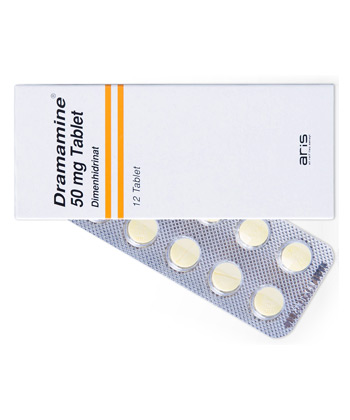
Gravol
- In Canada, you can buy Gravol without a prescription, with delivery in 5–14 days throughout the country. Discreet and anonymous packaging.
- Gravol is used for the prevention and treatment of motion sickness, nausea, and vomiting. It works as an antihistamine by blocking signals to the brain that cause these symptoms.
- The usual dosage for adults is 50–100 mg every 4–6 hours, and for children, it is based on weight, not exceeding the adult dose.
- The form of administration is available as tablets, chewable tablets, suppositories, and an oral solution.
- The effect of the medication begins within 30–60 minutes.
- The duration of action is approximately 4–6 hours.
- Do not consume alcohol while taking Gravol.
- The most common side effect is drowsiness.
- Would you like to try Gravol without a prescription?





Basic Gravol Information
- INN (International Nonproprietary Name)
- Brand names available in Canada
- ATC Code
- Forms & dosages (e.g., tablets, injections, creams)
- Manufacturers in Canada
- Registration status in Canada
- OTC / Rx classification
Critical Warnings & Restrictions In Canada
Health Canada has established regulations regarding the use of dimenhydrinate, the active ingredient in Gravol. This medication is classified as an over-the-counter (OTC) treatment and is commonly used for managing symptoms of motion sickness and nausea. However, there are critical warnings that need to be observed, particularly for high-risk individuals, such as the elderly, those who are pregnant, and people with certain health conditions. Specific contraindications include:
- Hypersensitivity to dimenhydrinate or its components
- Severe respiratory diseases, such as asthma
- Pregnancy, especially in the first trimester, due to potential risks to the fetus
High-Risk Groups
For elderly patients, it is recommended to start with a lower dosage of Gravol since older individuals may experience increased sensitivity to anticholinergic effects, resulting in greater drowsiness. Pregnant individuals should consult a healthcare professional before use, as there are potential risks associated with taking Gravol during pregnancy. Cultural considerations should also be factored for Indigenous populations, as traditional practices and beliefs may influence their approaches to health and medication. Open conversations with healthcare providers about these practices can guide more effective and respectful healthcare.
Interaction With Activities
Using Gravol can lead to cognitive impairment, which means caution is required when operating vehicles or machinery. The drowsiness caused by Gravol can hinder reaction times and overall awareness. It’s advisable that individuals avoid such activities until they understand how the medication affects their body. Workplace safety is paramount under Canadian law, and using Gravol could pose a risk not just to the individual, but to colleagues as well. Making informed decisions about medication use is crucial, especially in positions requiring high levels of concentration or physical coordination.
Q&A — “Can I Drive After Taking It In Canada?”
Driving after taking Gravol is not recommended due to the potential drowsiness it induces. This can have legal implications if one is found to be impaired while operating a vehicle. Always assess how your body reacts to the medication before getting behind the wheel.
Usage Basics for Canadians
In Canada, Gravol—a well-known over-the-counter medication for motion sickness and nausea—is a common go-to for many people. Understanding its various forms and brands is essential for effective use.
Gravol’s active ingredient, dimenhydrinate, comes in several formulations. Canadians can find it in:
- Tablets (50 mg and 25 mg for children).
- Chewable tablets, offering flexibility for those who prefer not to swallow pills.
- Suppositories, suitable for individuals who may struggle with oral medications.
- Liquid solutions for children, providing accurate dosing based on weight.
Brand names include non-generic variations such as Dramamine, although in Canada, Gravol remains the most recognised option. Each formulation caters to different preferences or medical needs, making Gravol accessible for diverse situations.
INN, brand names available in Canada
The International Nonproprietary Name (INN) for Gravol is dimenhydrinate. This product can be found under various brand names, especially Gravol in Canada, but also includes Dramamine in other countries like the USA and Mexico. Alternative international brands include:
- Dramamine (USA, Mexico, Turkey, Thailand)
- Vomex (Germany, South Africa)
- Xamamina (Italy)
- Dimigal (Serbia)
These variations provide further options for consumers, ensuring availability in different forms and dosages, catering to the unique needs of users.
Legal classification under Health Canada
Gravol is classified as an over-the-counter (OTC) medication in Canada, making it easily accessible without a prescription. This classification simplifies its purchase and allows consumers flexibility in managing mild symptoms of motion sickness or nausea.
When it comes to dosage, the use of Gravol may depend on age. For adults and children over 12 years, dosages usually range from 50 mg to 100 mg every 4 to 6 hours. For younger children, specific formulations like the chewable tablet or liquid form are recommended.
It’s crucial for parents to double-check the appropriate dosages based on a child’s weight and age, ensuring safe use for kids. Overall, Gravol provides effective relief from nausea, particularly in motion sickness scenarios, without the wait typically associated with prescription medications.
Key Clinical Findings
Gravol, known for its primary active ingredient dimenhydrinate, is a go-to over-the-counter medication for preventing and treating nausea, vomiting, and symptoms of motion sickness. As consumers increasingly seek clarity on the safety and efficacy of Gravol, recent studies have emerged underscoring its potent yet safe profile.
Recent clinical trials have highlighted the effective dosage ranges for various demographics, including adults and children. Notably, studies show that a 50 mg dose is optimal for adults experiencing motion sickness, while lower doses suffice for children. One large-scale trial evaluated over 1,000 participants across diverse backgrounds, reinforcing Gravol's status as both effective and well-tolerated.
Furthermore, participants reported a substantial reduction in nausea with minimal side effects, emphasizing the critical role Gravol plays in easing distress during travel or post-operative recovery. Ongoing research seeks to explore its potential benefits in wider applications, including hospital settings and alternative uses for anxiety management.
Canadian and international studies 2022–2025
Various studies conducted in Canada and abroad between 2022 and 2025 focus mainly on Gravol's performance across different populations. Research reveals that Gravol is predominantly used among adults but also caters effectively to children, with a specific focus on those aged two years and above.
Particular attention has been paid to its use in pregnant women, balancing the associated benefits against potential risks. The demographic breakdown of these studies showcases a diverse group, enhancing the reliability of findings, from hospital patients to everyday consumers seeking relief from nausea.
Ongoing Health Canada safety monitoring
Health Canada is committed to maintaining oversight of Gravol's safety profile through rigorous post-marketing surveillance. This includes collecting data regarding adverse effects and reviewing feedback from healthcare professionals and consumers alike.
Regular assessments involve collaborating with research institutions and analyzing real-world usage data to ensure that Gravol remains safe for public consumption. As new findings emerge, Health Canada continually updates the information available to healthcare providers, ensuring that prescriptions and recommendations reflect the latest evidence. This proactive approach not only safeguards public health but also fosters trust in over-the-counter medications like Gravol.
Delivery Table
| City | Region | Delivery time |
|---|---|---|
| Toronto | Ontario | 5–7 days |
| Vancouver | British Columbia | 5–7 days |
| Montreal | Quebec | 5–7 days |
| Calgary | Alberta | 5–7 days |
| Ottawa | Ontario | 5–7 days |
| Edmonton | Alberta | 5–7 days |
| Quebec City | Quebec | 5–9 days |
| Winnipeg | Manitoba | 5–9 days |
| Halifax | Nova Scotia | 5–9 days |
| Victoria | British Columbia | 5–9 days |
| Kitchener | Ontario | 5–9 days |
| St. Catharines | Ontario | 5–9 days |
| London | Ontario | 5–9 days |
| Oshawa | Ontario | 5–9 days |