Aleve
Aleve
- Aleve can be purchased over the counter without a prescription at pharmacies and online, with delivery options available across Canada.
- Aleve is used for the relief of pain, inflammation, and fever. It works as a non-steroidal anti-inflammatory drug (NSAID) by inhibiting enzymes involved in the inflammatory process.
- The usual dosage for adults is 220 mg, taken every 8–12 hours as needed, with a maximum of 660 mg per day.
- The form of administration is a tablet.
- The effect of Aleve typically begins within 30 minutes.
- The duration of action is approximately 8–12 hours.
- Alcohol should be avoided as it may increase the risk of gastrointestinal side effects.
- The most common side effect is stomach upset or heartburn.
- Would you like to try Aleve without a prescription?
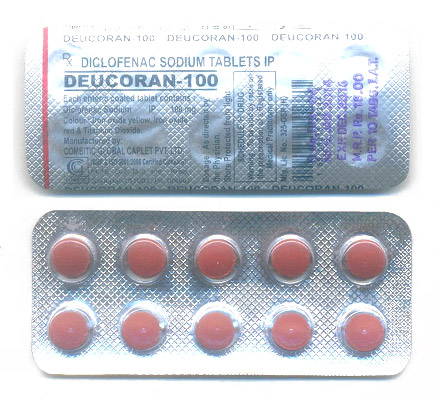
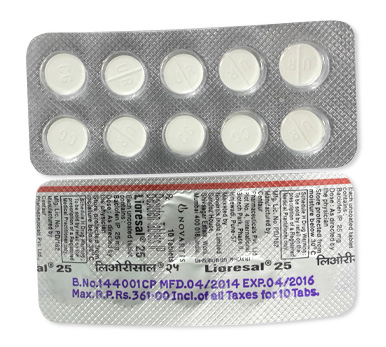
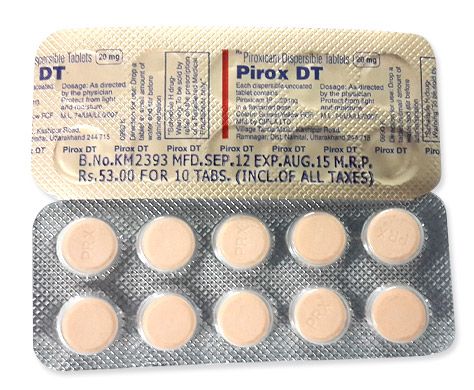
Basic Aleve Information
- INN (International Nonproprietary Name): Naproxen sodium
- Brand Names Available in Canada: Aleve, Anaprox
- ATC Code: M01AE02
- Forms & Dosages: Tablets (220mg, 275mg), Liquid
- Manufacturers in Canada: Bayer, Sandoz, Apotex
- Registration Status in Canada: Approved
- OTC / Rx Classification: OTC for lower doses, Rx for higher doses
Critical Warnings & Restrictions In Canada
When considering the use of Aleve (naproxen sodium), it's crucial to be aware of the safety guidelines. This non-steroidal anti-inflammatory drug (NSAID) can effectively alleviate pain and inflammation, but it is not without risks. Severe side effects have been associated with NSAIDs, especially in instances of overuse or pre-existing health conditions. Fatal events such as gastrointestinal bleeding or cardiovascular complications can occur, particularly in vulnerable populations. Individuals with certain health issues should approach Aleve use cautiously. Contraindications include a known allergy to NSAIDs, active peptic ulcer disease, severe renal failure, or a history of asthma triggered by these medications. Common side effects may include stomach upset, dizziness, or fatigue. It's critical for anyone with cardiovascular disease, liver dysfunction, or those who are elderly to consult healthcare professionals before starting Aleve, as monitoring may be necessary.High-Risk Groups (Elderly, Pregnant, Indigenous Health Considerations)
Special considerations apply to specific high-risk groups when it comes to Aleve usage. For the elderly, the likelihood of adverse effects increases. Lower doses are recommended to mitigate the risk of gastrointestinal and cardiovascular issues. Pregnant individuals should avoid Aleve, especially in the later stages, as it can interfere with fetal development and potentially lead to complications during delivery. Furthermore, Indigenous populations may experience unique health challenges that necessitate a tailored approach to medication. Access to healthcare and culturally relevant resources play a crucial role in safe medication management within these communities.Interaction With Activities (Driving, Machinery, Workplace Safety Under Canadian Law)
When taking Aleve, caution is advised if engaging in activities that require full attention, such as driving or operating machinery. Since Aleve can cause dizziness or drowsiness, individuals should assess their reaction to the medication before undertaking such tasks. It's essential to prioritize safety and to avoid activities that could endanger oneself or others until the effects of the drug are fully understood. Consistent with Canadian workplace safety regulations, employers are obliged to ensure a safe working environment. Employees must be encouraged to disclose their use of medications that could impair their performance, including Aleve.Q&A — “Can I Drive After Taking It In Canada?”
After taking Aleve, it is advisable to evaluate how the medication affects you before driving. If you experience drowsiness or dizziness, avoid operating a vehicle or machinery until you are certain of your ability to do so safely. Always prioritize your safety and the safety of others on the road.Mechanism & Pharmacology
Aleve, primarily composed of naproxen sodium, belongs to a class of drugs known as Non-Steroidal Anti-Inflammatory Drugs (NSAIDs). This medication works by inhibiting the production of substances called prostaglandins, which are responsible for pain, inflammation, and fever in the body. When the enzyme cyclooxygenase (COX) is blocked, the eventual production of these inflammatory substances is reduced, leading to pain relief and a decrease in inflammation.
The therapeutic roles of Aleve include relief from conditions such as arthritis, menstrual pain, and muscle aches, playing a crucial part in the management of both acute and chronic pain. Its long-lasting effect allows for less frequent dosing compared to some other pain relievers, providing convenience and compliance for individuals dealing with ongoing discomfort.
Simplified explanation (patient-friendly)
When experiencing pain or swelling, Aleve can help by lowering the amount of certain chemicals in your body that make you feel sore or tender. This means that if you have a headache, back pain, or cramps, taking Aleve can ease that uncomfortable feeling. It's like telling your body to calm down those signals that say "ouch!" You can generally take Aleve every 8 to 12 hours, making it easier to manage your pain throughout the day.
Please remember that while Aleve is effective for many, it's essential to follow dosing instructions carefully, as taking more than recommended could lead to unwanted side effects, including stomach issues or increased heart risks.
Clinical terms
Aleve contains naproxen sodium, which is classified under the ATC code M01AE02. It is approved by Health Canada for treating conditions such as acute pain, chronic inflammation (like arthritis), and dysmenorrhea (painful menstruation). For adult dosing, the typical initiation might involve a loading dose of 550mg, followed by 275mg every 6 to 8 hours as needed. In clinical practice, caution is warranted for patients with cardiovascular risk factors, gastrointestinal conditions, or renal impairment. Moreover, long-term use necessitates regular monitoring for adverse events.
Potential side effects can range from gastrointestinal disturbances to cardiovascular risks. Absolute contraindications include severe renal failure and known allergies to NSAIDs. Adjustments in dosing are often recommended for elderly patients or those with liver or kidney issues.
Indications & Off-Label Uses in Canada
Aleve is prescribed for various conditions primarily focused on pain and inflammation, but its application goes beyond the officially endorsed uses. Understanding these can guide users in leveraging its benefits safely and effectively.
Approved indications (DIN)
With a DIN, Aleve is approved for the treatment of pain related to arthritis, menstrual cramps, and acute pain conditions including headaches and muscle aches. Health Canada recognizes its efficacy in providing relief for both minor pain and chronic inflammatory disorders. The drug is also available in various dosages, with the commonly recognized over-the-counter form being 220mg.
Prescribing Aleve is common in clinical settings, particularly for patients who may find other NSAIDs inadequate. Its extended duration of action helps manage symptoms over longer periods without the need for frequent doses.
Common off-label practices
Many Canadian physicians utilize Aleve for conditions that fall outside its traditional indications. Patients might find Aleve beneficial for treating tension headaches, migraines, and even managing pain associated with sports injuries. Additionally, some may take it for conditions such as sciatica or fibromyalgia, relying on its anti-inflammatory properties to ease widespread discomfort.
While these off-label uses can be effective, it’s crucial for patients to consult their healthcare provider before initiating any new treatments, as unlike the approved indications, these uses may not come with robust clinical research backing.
Key Clinical Findings
Research activities regarding Aleve have been ongoing, with clinical studies providing valuable insights into its uses and long-term safety profiles across Canada and beyond.
Canadian and international studies 2022–2025
Emerging studies up to 2025 are highlighting Aleve's efficacy in pain management for various patient demographics. Notably, research is expanding understanding around its effects on co-existing conditions such as arthritis and cardiovascular health. These findings contribute significantly to informing best practices for prescribing Aleve, supporting its role in chronic pain management.
Further research also focuses on patient adherence to NSAID treatment regimens, paving the way for optimized medication strategies to improve quality of life for individuals dealing with chronic pain.
Ongoing Health Canada safety monitoring
Health Canada actively monitors the safety of Aleve through its post-market surveillance programs, ensuring any emerging safety issues are addressed timely. Reports of side effects are continually assessed, with updates provided to healthcare professionals and patients as needed.
This vigilant process is essential, given that long-term NSAID use carries risks, especially related to cardiovascular and gastrointestinal health. Updates from Health Canada inform prescribing practices and provide guidance on managing these risks effectively.
Alternatives Matrix
There are several pain relief alternatives that can be considered alongside Aleve, offering patients various options depending on their conditions and preferences.
Comparable medicines with DIN in Canada
Other NSAIDs like ibuprofen (Advil, Motrin) and diclofenac (Voltaren) are commonly available in Canada. Each of these has its own set of benefits and side effects, with ibuprofen generally providing faster action than Aleve but requiring more frequent dosing.
Additionally, acetaminophen is often chosen for pain relief where NSAIDs might pose risks or in cases of acute pain management where the anti-inflammatory component isn't as critical.
Pros and cons checklist
- Pros: Longer-lasting relief; effective anti-inflammatory properties; widely available.
- Cons: Potential for gastrointestinal and cardiovascular side effects; not suitable for everyone, especially those with specific health conditions.
Common Questions from Canadian Patients
Aleve, a popular over-the-counter medication, often raises questions among Canadian patients. One of the most common inquiries is about its effectiveness for pain relief. People frequently wonder if Aleve is better than Advil or Tylenol for headaches and muscle pain. Many users seek clarity on the appropriate dosages of Aleve 220 mg, especially concerning safe use for period cramps or inflammation.
Concerns also arise regarding interactions with alcohol. Patients often ask, “Can I drink while taking Aleve?” It’s essential to understand the risks associated with combining Aleve and alcohol due to potential stomach irritation. Additionally, some patients question whether they can take Aleve after consuming alcohol and for how long they should wait. These concerns highlight the importance of clear information on taking Aleve safely.
Patients also inquire about the availability of Aleve in Canada and whether it can be bought without a prescription. With its popularity, it’s helpful to know if local pharmacies carry Aleve products, such as the widely available 220 mg tablets or specific formulations like Aleve PM.
Suggested Visual Content
Creating engaging visual content can enhance the understanding of Aleve's usage and features. Infographics could showcase the effectiveness of Aleve compared to other pain relievers like Advil and Tylenol. Charts could outline common uses for Aleve, such as its benefits for arthritis pain, headaches, and menstrual cramps.
Infographics on provincial drug plan coverage
A visual representation could illustrate how Aleve is covered under different provincial drug plans across Canada. This infographic can highlight variations in coverage for prescription versus over-the-counter formulations, emphasizing disparities in accessibility based on province. Canadians often seek clarity on what their health plans cover, making this information vital.
Canadian pharmacy purchase flowcharts
Developing flowcharts can clarify the steps involved in purchasing Aleve from a pharmacy. These charts can depict different scenarios, such as buying over-the-counter, checking for insurance coverage, and potential interactions when seeking advice from pharmacists. This can be especially useful for patients unfamiliar with navigating pharmacy options.
Registration & Regulation
The regulatory landscape surrounding Aleve ensures its safety and efficacy as a non-steroidal anti-inflammatory drug (NSAID). Health Canada plays a crucial role in approving various formulations of Aleve, including its availability as an over-the-counter option in lower doses. This highlights the commitment to public health and easy access to essential medications.
Health Canada approval
Understanding the Health Canada approval process can provide insights into Aleve’s availability. The regulatory process assesses the safety and effectiveness of medications before they reach consumers. Aleve, marketed in Canada primarily as naproxen sodium, has gained approval because of its proven ability to relieve pain and inflammation.
DIN number and labelling requirements
Aleve has a Drug Identification Number (DIN), which is crucial for identifying the medication in Canada. This regulatory requirement ensures that the labelling and packaging meet strict health standards. Understanding DIN numbers helps patients identify genuine Aleve products and ensure they are using safe medications.
Storage & Handling
Proper storage and handling of Aleve are essential for maintaining its effectiveness. Given its formulation, keeping Aleve in its original packaging in a cool, dry place is critical. Exposure to moisture or heat can compromise the drug's integrity, affecting its effectiveness.
Standard Canadian household conditions
The ideal storage conditions for Aleve in Canadian households are between 20°C–25°C (68°F–77°F). Keeping it out of reach of children also stands out as a vital practice to avoid accidental ingestion. Maintaining these conditions ensures that the medication retains its potency when needed.
Cold-chain requirements (where applicable)
Lucky for patients, Aleve does not require special cold-chain handling. Unlike many biopharmaceutical products, which need consistent refrigeration, Aleve can be stored at standard room temperature, simplifying its accessibility and use in everyday settings.
Guidelines for Proper Use
Best practices for using Aleve are essential to maximize its benefits while minimizing potential side effects. Consulting healthcare professionals, such as pharmacists, is a proactive approach to responsible use and monitoring. They can provide personalized recommendations based on individual health needs.
Canadian pharmacist guidance
Pharmacists in Canada play a vital role in offering guidance on Aleve use. They recommend starting with the lowest effective dose, especially for elderly patients or those with existing health conditions. Monitoring for side effects, particularly gastrointestinal issues, is also emphasized to ensure safe use.
Provincial health authority recommendations
Provincial health authorities often provide additional guidelines for the safe use of Aleve. These recommendations may include specific dosing information for different populations, such as children or those with chronic conditions. Understanding these guidelines helps patients make informed decisions when using Aleve.
| City | Region | Delivery Time |
|---|---|---|
| Toronto | Ontario | 5–7 days |
| Vancouver | British Columbia | 5–7 days |
| Calgary | Alberta | 5–7 days |
| Montreal | Quebec | 5–7 days |
| Ottawa | Ontario | 5–7 days |
| Edmonton | Alberta | 5–7 days |
| Winnipeg | Manitoba | 5–9 days |
| Quebec City | Quebec | 5–9 days |
| Halifax | Nova Scotia | 5–9 days |
| Victoria | British Columbia | 5–9 days |
| Regina | Saskatchewan | 5–9 days |
| St. John's | Newfoundland and Labrador | 5–9 days |
| Charlottetown | Prince Edward Island | 5–9 days |
| Fredericton | New Brunswick | 5–9 days |