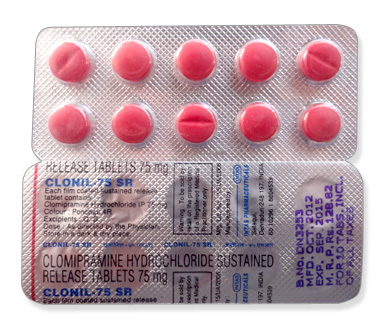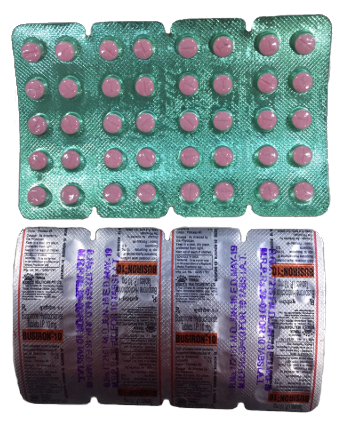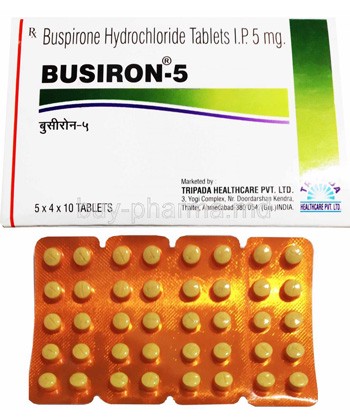
Anxiety disorders represent one of the most prevalent mental health conditions affecting millions of Canadians. These disorders go beyond normal worry or stress, significantly impacting daily functioning, relationships, and quality of life. Understanding the different types and available treatments is crucial for effective management.
The most frequently diagnosed anxiety disorders include generalized anxiety disorder (GAD), characterized by persistent and excessive worry about various life situations. Panic disorder involves recurrent panic attacks with intense physical symptoms, while social anxiety disorder creates overwhelming fear in social situations. Each type affects the brain's neurotransmitter systems, particularly serotonin and norepinephrine pathways.
Treatment typically combines medication with cognitive-behavioural therapy for optimal results. Recognizing symptoms such as excessive worry, physical tension, sleep disturbances, and avoidance behaviours is essential. Professional help should be sought when anxiety interferes with work, relationships, or daily activities. Lifestyle modifications including regular exercise, stress management techniques, and maintaining consistent sleep patterns significantly support treatment outcomes.
Depression and mood disorders encompass a range of conditions that significantly affect emotional regulation and daily functioning. Major depressive disorder is characterized by persistent sadness, loss of interest, and various physical symptoms lasting at least two weeks. It's important to distinguish between temporary sadness due to life circumstances and clinical depression, which involves neurochemical imbalances requiring professional intervention.
Bipolar disorder involves alternating periods of depression and mania or hypomania, requiring specialized treatment approaches. Seasonal affective disorder typically occurs during darker months and responds well to light therapy combined with medication. These conditions affect neurotransmitters including serotonin, norepinephrine, and dopamine, influencing mood, energy, sleep, and cognitive function.
Specialized medications for bipolar disorder include Lithium, Valproic acid, Lamotrigine, Aripiprazole, and Quetiapine. These mood stabilizers help prevent both manic and depressive episodes.
Treatment considerations include understanding that antidepressants typically require 4-6 weeks for full effect. Regular monitoring for side effects and treatment response is essential, with dosage adjustments made as needed. Psychotherapy, particularly cognitive-behavioural therapy and interpersonal therapy, plays a crucial role alongside medication in achieving long-term recovery and preventing relapse.
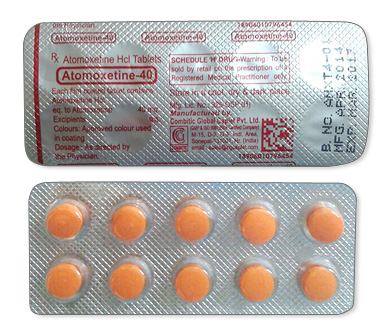
Attention Deficit Hyperactivity Disorder (ADHD) affects both children and adults across Canada, presenting challenges with focus, organization, and impulse control. This neurodevelopmental condition manifests in three distinct presentations: inattentive type (difficulty concentrating and staying organized), hyperactive-impulsive type (restlessness and impulsive behaviour), and combined presentation (features of both types).
Healthcare providers in Canada have access to various effective treatment options:
Proper diagnosis through comprehensive assessment is crucial for effective treatment. ADHD medications can significantly improve concentration, academic performance, and social functioning. In children, careful monitoring of growth and appetite is essential. Treatment success often combines medication with behavioural strategies and educational accommodations to address the full spectrum of ADHD challenges.
Psychotic disorders encompass conditions like schizophrenia, schizoaffective disorder, and brief psychotic disorder. These conditions involve symptoms such as hallucinations (seeing or hearing things that aren't there), delusions (false beliefs), and disorganized thinking patterns. Early intervention is critical for better long-term outcomes and functional recovery.
Canadian healthcare providers utilize both traditional and modern antipsychotic medications:
Treatment goals focus on managing symptoms while improving daily functioning and quality of life. Regular monitoring for metabolic changes (weight gain, diabetes risk) and movement disorders is essential. Success depends heavily on medication adherence, ongoing medical supervision, and strong family support systems to maintain stability and prevent relapses.
Sleep disorders frequently co-occur with mental health conditions, creating a complex relationship where poor sleep can worsen psychiatric symptoms, while mental health issues can significantly disrupt sleep patterns. Insomnia, sleep-wake cycle disorders, and various sleep disturbances are commonly observed alongside mood disorders, anxiety conditions, and cognitive impairments. Understanding this bidirectional connection is crucial for effective treatment approaches.
Research consistently demonstrates that inadequate sleep can exacerbate symptoms of depression, anxiety, and bipolar disorder. Conversely, mental health conditions often lead to sleep disruptions, including difficulty falling asleep, frequent awakening, early morning waking, or excessive daytime sleepiness. This cycle can significantly impact cognitive function, emotional regulation, and overall quality of life.
Healthcare providers in Canada have access to several classes of sleep medications to address sleep disorders associated with mental health conditions:
Sleep hygiene practices and non-pharmacological approaches form the foundation of sleep disorder treatment. These include maintaining consistent sleep schedules, creating optimal sleep environments, and addressing lifestyle factors that impact sleep quality. Cognitive Behavioral Therapy for Insomnia (CBT-I) is considered the gold standard for non-pharmacological intervention.
Medication is typically considered appropriate when sleep disturbances significantly impact daily functioning and non-pharmacological approaches have proven insufficient. Healthcare providers carefully evaluate the risk-benefit profile, considering potential for dependency and withdrawal issues, particularly with benzodiazepines and Z-drugs. Treatment plans emphasize gradual dose reduction and transition to non-pharmacological maintenance strategies when possible.
Substance use disorders frequently co-occur with mental health conditions, creating complex clinical presentations that require specialized treatment approaches. This dual diagnosis situation affects a significant portion of Canadians struggling with mental health challenges, necessitating integrated care strategies that address both conditions simultaneously.
Addiction is recognized as a mental health condition characterized by compulsive substance use despite harmful consequences. When substance use disorders occur alongside other mental health conditions such as depression, anxiety, PTSD, or bipolar disorder, it creates a dual diagnosis scenario. These conditions often reinforce each other, making recovery more challenging without comprehensive treatment addressing both issues.
Canada offers several evidence-based pharmacological interventions for substance use disorders:
Effective treatment for dual diagnosis requires integrated approaches that simultaneously address both mental health symptoms and substance use patterns. This includes coordinated care between addiction specialists, mental health professionals, and primary care providers. Treatment plans typically incorporate medication management, counselling, peer support, and lifestyle interventions.
Withdrawal management is a critical component of early recovery, requiring medical supervision and appropriate pharmacological support to ensure safety and comfort. Relapse prevention strategies focus on developing coping skills, identifying triggers, and maintaining long-term recovery through ongoing support systems. Canadian healthcare systems emphasize harm reduction approaches and provide various levels of care, from outpatient counselling to residential treatment programs, ensuring accessible recovery options for individuals with co-occurring disorders.