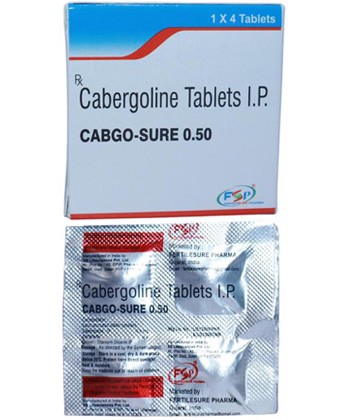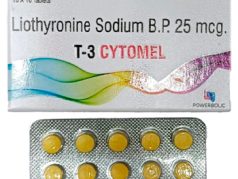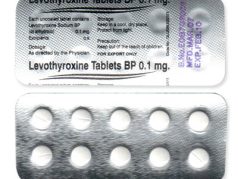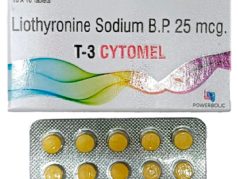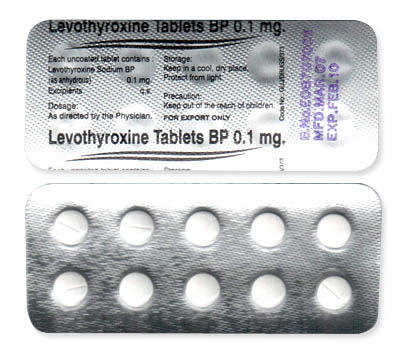
Thyroid hormones play a crucial role in regulating metabolism, energy production, and overall bodily functions. The thyroid gland produces two primary hormones: thyroxine (T4) and triiodothyronine (T3), which work together to maintain proper metabolic balance throughout the body.
Thyroid disorders are among the most common endocrine conditions affecting Canadians. Hypothyroidism occurs when the thyroid gland doesn't produce enough hormones, leading to symptoms such as fatigue, weight gain, cold intolerance, and depression. Conversely, hyperthyroidism results from excessive hormone production, causing symptoms like rapid heartbeat, weight loss, anxiety, and heat intolerance.
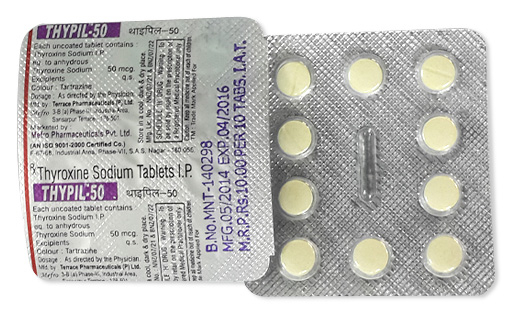
Healthcare providers in Canada have access to several effective thyroid hormone replacement therapies:
Thyroid hormone replacement therapy requires careful dosing and regular monitoring through blood tests measuring TSH (thyroid-stimulating hormone) levels. Initial dosing typically depends on factors such as age, weight, cardiovascular health, and severity of hypothyroidism. Regular follow-up appointments every 6-8 weeks initially, then annually once stable levels are achieved, ensure optimal therapeutic outcomes and prevent potential complications.
Patients should take thyroid medications on an empty stomach, preferably 30-60 minutes before breakfast, and avoid taking them with calcium supplements, iron, or coffee, which can interfere with absorption.
Diabetes management in Canada involves various hormone-based therapies designed to regulate blood glucose levels effectively. Understanding the different types of insulin and other diabetes medications available helps patients and healthcare providers develop comprehensive treatment plans tailored to individual needs.
Modern diabetes care utilizes several categories of insulin products, each with distinct onset times, peak effects, and durations of action. The choice of insulin depends on individual lifestyle factors, blood glucose patterns, and treatment goals established between patients and their healthcare teams.
Rapid-acting insulins like Humalog (insulin lispro) and NovoRapid (insulin aspart) begin working within 15 minutes and are typically administered before meals to manage post-meal glucose spikes. Long-acting insulins such as Lantus (insulin glargine) and Levemir (insulin detemir) provide steady baseline insulin coverage for 24 hours, mimicking the body's natural insulin production.
GLP-1 receptor agonists represent an important class of diabetes medications that work by mimicking the incretin hormone GLP-1. Medications like Ozempic (semaglutide) and Trulicity (dulaglutide) help lower blood glucose levels by stimulating insulin release when glucose levels are elevated, slowing gastric emptying, and promoting satiety.
These medications offer additional benefits beyond glucose control, including potential weight loss and cardiovascular protection, making them valuable options for many Canadians with type 2 diabetes.
Proper insulin storage and injection techniques are essential for maintaining medication effectiveness and ensuring patient safety. Unopened insulin should be refrigerated between 2-8°C, while in-use vials or pens can be stored at room temperature for up to 28 days. Patients should rotate injection sites regularly to prevent lipodystrophy and ensure consistent absorption.
Blood glucose monitoring remains a cornerstone of diabetes management, with frequency recommendations varying based on treatment regimen, diabetes type, and individual circumstances. Regular monitoring helps optimize medication dosing and detect patterns that may require treatment adjustments.
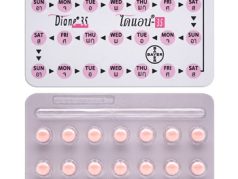
Hormone replacement therapy (HRT) provides essential relief for menopausal symptoms through carefully balanced estrogen and progesterone combinations. Canadian pharmacies offer comprehensive options including oral tablets, transdermal patches, and vaginal preparations to address hot flashes, night sweats, and bone health concerns.
Modern contraceptive methods available across Canada include:
Trusted brands like Premarin and Estrace provide proven estrogen therapy, while numerous oral contraceptive options offer reliable family planning solutions. Fertility support medications help couples achieve pregnancy goals through ovulation stimulation and hormonal regulation.
Healthcare providers carefully evaluate individual medical histories, considering contraindications such as blood clot risk, breast cancer history, and cardiovascular conditions. Regular monitoring ensures optimal dosing and safety throughout treatment, with adjustments made based on patient response and health status changes.
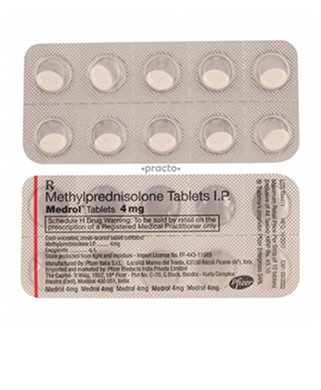
Corticosteroid medications effectively manage inflammation and autoimmune conditions by mimicking natural cortisol production. These powerful anti-inflammatory agents help control various conditions including rheumatoid arthritis, severe allergic reactions, asthma exacerbations, and inflammatory bowel disease.
Canadian pharmacies stock multiple corticosteroid options:
Proper management requires careful attention to tapering protocols, as sudden discontinuation can cause dangerous adrenal insufficiency. Healthcare providers monitor patients for side effects including weight gain, mood changes, elevated blood sugar, and bone density loss. Long-term use necessitates regular monitoring of blood pressure, glucose levels, and bone health.
Treatment duration varies from short-term courses for acute conditions to carefully managed long-term therapy for chronic inflammatory disorders, always balancing therapeutic benefits against potential adverse effects.
Growth hormone therapy plays a crucial role in treating children and adults with growth hormone deficiency in Canada. Health Canada has approved several recombinant human growth hormone products for conditions including pediatric growth disorders, adult growth hormone deficiency, and Turner syndrome. Treatment requires specialized endocrinology clinic supervision and regular monitoring through pediatric or adult hormone specialists.
Canadian pharmacies offer various testosterone replacement options for men with clinically diagnosed hypogonadism. Available formulations include:
Treatment requires baseline and ongoing monitoring of testosterone levels, complete blood counts, and prostate health assessments. Patients must understand potential risks including cardiovascular effects, prostate enlargement, and sleep apnea. Provincial health insurance typically covers medically necessary hormone therapies when prescribed by specialists and dispensed through licensed Canadian pharmacies following established clinical guidelines.
Proper hormone medication storage is essential for maintaining therapeutic effectiveness and patient safety. Injectable hormones typically require refrigeration between 2-8°C and protection from light, while topical preparations should be stored at room temperature away from heat and moisture. Always check expiration dates and dispose of expired medications through pharmacy take-back programs.
Regular monitoring through blood tests and clinical assessments ensures safe hormone therapy outcomes. Patients should maintain consistent contact with their prescribing physicians and community pharmacists for:
Canadian patients should immediately consult healthcare providers if experiencing unusual symptoms, mood changes, or cardiovascular concerns. Pharmacists provide valuable counselling on proper administration techniques, adherence strategies, and potential contraindications. Provincial drug plans and private insurance often cover hormone therapies, though prior authorization may be required. Strict adherence to prescribed regimens optimizes treatment outcomes while minimizing risks associated with hormone therapy.