
Gastro Health

Cytotec
from
Misoprostol
from
Losec
from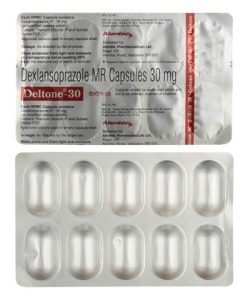
Dexilant
from
Mirtazapine
from
Maxeran
from
Rabeprazole
from
Mezavant
from
Zantac
from
Motilium
from
Domperidone
from
Reglan
from
Nexium
from
Pepcid
from
Imodium
fromAcid Reflux and Heartburn Relief
Acid reflux occurs when stomach acid flows back into the esophagus, causing the burning sensation known as heartburn. This common digestive issue affects millions of Canadians and can significantly impact daily comfort and quality of life.
Common Symptoms and Triggers
Typical symptoms include burning chest pain, regurgitation, difficulty swallowing, and a sour taste in the mouth. Common triggers include spicy foods, citrus fruits, caffeine, alcohol, large meals, and lying down after eating.
Available Treatments in Canada
- Antacids: Fast-acting relief with products like Tums, Rolaids, and Maalox that neutralize stomach acid
- H2 Receptor Blockers: Longer-lasting relief with Zantac and Pepcid that reduce acid production
- Proton Pump Inhibitors: Maximum strength options like Nexium and Prevacid for severe or frequent symptoms
Consult a healthcare provider if symptoms occur more than twice weekly, persist despite treatment, or include difficulty swallowing. Lifestyle modifications such as eating smaller meals, avoiding trigger foods, maintaining a healthy weight, and elevating your head while sleeping can provide significant prevention benefits.
Digestive Enzymes and Gut Support
Digestive enzymes are essential proteins that break down food into nutrients your body can absorb. When your body doesn’t produce enough enzymes naturally, supplementation can help improve digestion and reduce uncomfortable symptoms like bloating, gas, and indigestion.
Signs of Enzyme Deficiency
Common indicators include persistent bloating, gas, stomach discomfort after meals, undigested food in stool, and lactose intolerance symptoms. These signs may suggest your digestive system needs additional enzyme support.
Types of Digestive Enzyme Supplements Available
- Lactase Supplements: Lactaid and Dairy Relief help digest dairy products for those with lactose intolerance
- Multi-Enzyme Formulas: Comprehensive options like Digestive Advantage and Webber Naturals support overall digestion
- Pancreatic Enzyme Supplements: Specialized formulas for those with pancreatic insufficiency
Probiotic supplements complement enzyme therapy by maintaining healthy gut flora balance, supporting immune function and overall digestive wellness. Prebiotic fibres serve as food for beneficial bacteria, promoting a thriving gut microbiome and enhanced digestive health for optimal nutrient absorption.
Nausea and Motion Sickness Management
Nausea and motion sickness can significantly impact your daily life and travel experiences. These uncomfortable sensations occur when there’s a disconnect between what your inner ear senses and what your eyes see, often triggered by movement in cars, boats, planes, or amusement rides. Understanding the underlying causes helps you choose the most effective treatment approach.
Common Risk Factors
Certain individuals are more susceptible to motion sickness, including children aged 2-12, pregnant women, and those with inner ear disorders. Stress, fatigue, and strong odours can also increase your likelihood of experiencing nausea.
Treatment Options Available in Canada
Canadian pharmacies offer several effective over-the-counter solutions:
- Dimenhydrinate products (Gravol, Dramamine) for quick relief
- Meclizine-based medications for longer-lasting protection
- Natural alternatives like ginger supplements and Sea-Bands acupressure wristbands
For severe cases, prescription medications such as scopolamine patches may be recommended by your healthcare provider. Prevention strategies include choosing optimal seating positions, maintaining good ventilation, and avoiding heavy meals before travel.
Constipation and Regularity Solutions
Healthy bowel movements typically occur anywhere from three times per week to three times daily. Constipation affects millions of Canadians and can result from various factors including diet, lifestyle, medications, or underlying medical conditions. Understanding the different types helps determine the most appropriate treatment approach.
Understanding Constipation Causes
Common causes include insufficient fibre intake, dehydration, lack of physical activity, certain medications, and stress. Chronic constipation may indicate more serious underlying conditions requiring medical evaluation.
Laxative Options in Canada
Canadian pharmacies stock various effective treatments categorized by their mechanism of action:
- Bulk-forming laxatives (Metamucil, Benefibre) that add bulk to stool
- Stool softeners (Colace, Surfak) for gentler relief
- Stimulant laxatives (Senokot, Dulcolax) for faster action
- Osmotic laxatives (Restoralax, Milk of Magnesia) that draw water into intestines
Fibre supplements play a crucial role in maintaining regularity and should be increased gradually with adequate water intake. Consult your healthcare provider if constipation persists beyond two weeks or is accompanied by severe pain, blood, or unexplained weight loss.
Diarrhea and Stomach Upset Treatment
Understanding the difference between acute and chronic diarrhea is crucial for proper treatment. Acute diarrhea typically lasts less than two weeks and is often caused by food poisoning, viral infections, or bacterial contamination. Chronic diarrhea persists for more than four weeks and may indicate underlying digestive conditions requiring medical evaluation.
Effective Anti-Diarrheal Medications
Canadian pharmacies offer several proven treatments for diarrhea and stomach upset:
- Loperamide (Imodium, Anti-Diarrheal) – reduces bowel movement frequency and firms stool consistency
- Bismuth subsalicylate (Pepto-Bismol, Kaopectate) – provides anti-inflammatory action and coats the digestive tract
- Oral rehydration solutions (Pedialyte, Gastrolyte) – restore essential electrolytes lost during illness
Electrolyte replacement is particularly important during diarrheal episodes, as dehydration can occur rapidly. Seek immediate medical attention if you experience severe dehydration, blood in stool, high fever above 39°C, or symptoms persisting beyond 72 hours.
Irritable Bowel Syndrome (IBS) and Long-term Digestive Health
Irritable Bowel Syndrome affects millions of Canadians and manifests through various symptoms including abdominal pain, bloating, and altered bowel habits. Understanding IBS subtypes helps guide treatment: IBS-C (constipation-predominant), IBS-D (diarrhea-predominant), and IBS-M (mixed pattern).
Management Approaches Available in Canada
Effective IBS management requires a multi-faceted approach. Healthcare Canada-approved treatments include antispasmodics like Buscopan and Bentylol, which reduce intestinal cramping and pain. Fiber supplements can help regulate bowel movements, while specialized probiotics designed for IBS support healthy gut bacteria balance.
Low FODMAP diet support products are increasingly available in Canadian pharmacies, helping identify and eliminate trigger foods. The connection between stress and digestive health is well-established, making stress management techniques an essential component of IBS treatment.
Professional Care and Lifestyle Modifications
Consultation with a healthcare provider is crucial for proper IBS diagnosis, as symptoms can overlap with other digestive conditions. Long-term digestive wellness involves consistent lifestyle modifications, including regular meal timing, adequate hydration, stress reduction techniques, and maintaining a symptom diary to identify personal triggers and effective management strategies.