Cholesterol is a waxy, fat-like substance naturally produced by your liver and found in certain foods. While your body needs cholesterol to build healthy cells and produce hormones, having too much cholesterol in your blood can significantly increase your risk of heart disease and stroke.
Understanding the different types of cholesterol is crucial for managing your cardiovascular health:
According to Health Canada, optimal total cholesterol levels should be below 5.2 mmol/L, with LDL cholesterol under 3.5 mmol/L and HDL cholesterol above 1.0 mmol/L for men and 1.3 mmol/L for women. Risk factors for high cholesterol include family history, age, smoking, obesity, diabetes, physical inactivity, and poor dietary choices.
High cholesterol typically has no symptoms, making it a "silent" condition. However, if left untreated, it can lead to serious complications including coronary artery disease, heart attack, stroke, and peripheral artery disease.
Regular cholesterol testing is essential for maintaining cardiovascular health, especially as you age. Health Canada recommends that adults aged 40 and older get tested at least once every five years, while those with risk factors should be screened more frequently.
Canadian healthcare providers typically use a lipid panel or lipid profile test, which measures total cholesterol, LDL cholesterol, HDL cholesterol, and triglycerides. This comprehensive blood test is available through your family physician, walk-in clinics, or laboratory services covered under provincial health plans.
Most cholesterol tests require fasting for 9-12 hours beforehand, though some newer tests don't require fasting. Your healthcare provider will specify the requirements when scheduling your test. During this fasting period, you should only consume water and avoid food, drinks, and medications unless specifically instructed otherwise.
Understanding your results is crucial for proper health management. Your doctor will explain how your numbers compare to Canadian guidelines and discuss any necessary lifestyle changes or treatments. Results are typically available within 24-48 hours, and your healthcare provider will contact you to discuss findings and next steps if needed.
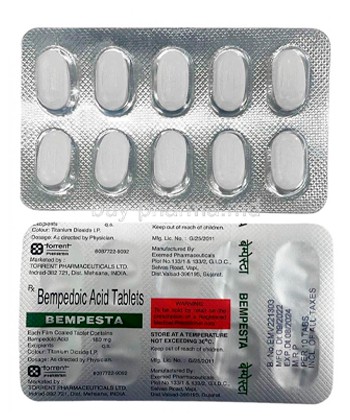
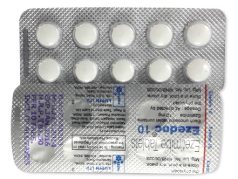
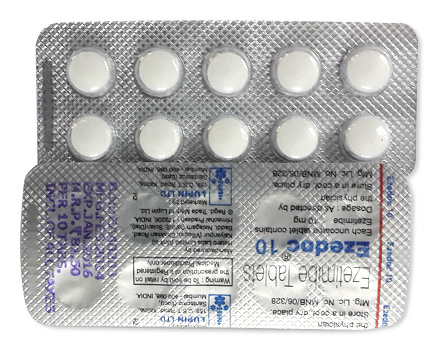
Health Canada has approved several effective prescription medications to help Canadians manage their cholesterol levels. These medications are available through licensed pharmacies across the country and work through different mechanisms to lower cholesterol and reduce cardiovascular risk.
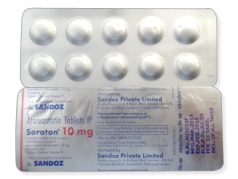
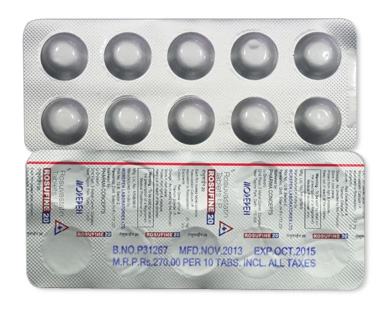
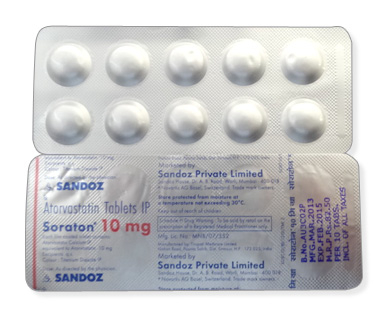
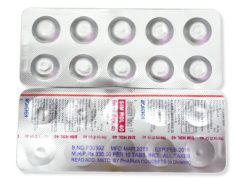
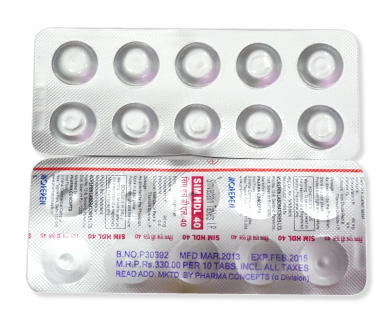
Statins are the most commonly prescribed cholesterol-lowering medications in Canada. They work by blocking HMG-CoA reductase, an enzyme responsible for cholesterol production in the liver. The most frequently prescribed statins include:
These medications work by binding bile acids in the intestine, forcing the liver to use cholesterol to produce more bile acids. Cholestyramine and Colesevelam are available options that can effectively lower LDL cholesterol levels when statins alone aren't sufficient.
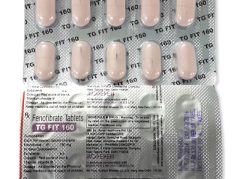
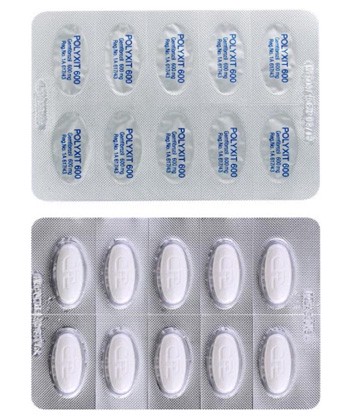
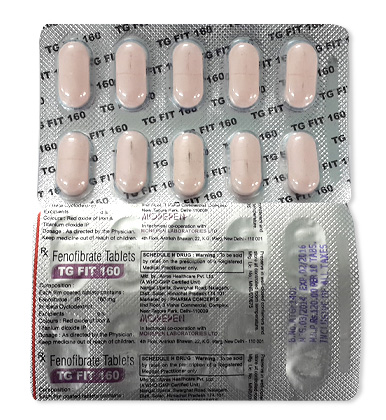
Fenofibrate and Gemfibrozil are fibrate medications that primarily target triglycerides and can help raise HDL (good) cholesterol. These are often prescribed for patients with high triglyceride levels or mixed dyslipidemia.
The newest class of cholesterol medications available in Canada includes Evolocumab (Repatha) and Alirocumab (Praluent). These injectable medications are typically reserved for patients with familial hypercholesterolemia or those who cannot achieve target levels with other treatments.
Each medication class targets different pathways in cholesterol metabolism. While statins reduce cholesterol production, bile acid sequestrants increase cholesterol elimination, fibrates affect triglyceride metabolism, and PCSK9 inhibitors enhance LDL receptor recycling to remove more cholesterol from the blood.
Most cholesterol medications are well-tolerated, but potential side effects may include muscle pain, digestive issues, or liver enzyme elevation. Regular monitoring through blood tests is recommended, and patients should discuss any concerns with their healthcare provider or pharmacist.
Natural health products can be valuable allies in managing cholesterol levels when used as part of a comprehensive approach. These products, regulated by Health Canada, offer complementary support to traditional treatments and lifestyle modifications. Many Canadians turn to natural options to help maintain healthy cholesterol levels, particularly when looking for additional support beyond diet and exercise.
Plant sterols and stanols are naturally occurring compounds that can help block cholesterol absorption in the intestines. These substances, found in fortified foods and supplements, have been shown to reduce LDL (bad) cholesterol by up to 10% when consumed regularly. Health Canada recommends a daily intake of 2 grams of plant sterols for cholesterol management. These products are available in various forms including capsules, soft gels, and fortified foods.
Red yeast rice contains naturally occurring compounds that may help support healthy cholesterol levels. This traditional supplement has been used for centuries and is now available in standardized forms. However, it's important to choose products that have been properly processed and tested for purity, as quality can vary between manufacturers.
Omega-3 supplements, particularly those containing EPA and DHA, support cardiovascular health and may help improve triglyceride levels. Fish oil supplements are the most common source, though algae-based options are available for those following vegetarian diets. Health Canada suggests consulting with healthcare providers to determine appropriate dosing based on individual needs.
Soluble fibre supplements, such as psyllium husk and beta-glucan, can help lower cholesterol by binding to bile acids and promoting their elimination. These supplements work best when taken with adequate water and as part of a balanced diet. Regular use of fibre supplements may help reduce LDL cholesterol levels while supporting overall digestive health.
Before starting any natural health product, it's crucial to consult with your pharmacist or healthcare provider, especially if you're taking prescription medications. Some supplements can interact with cholesterol-lowering drugs or other medications, potentially affecting their effectiveness or causing adverse reactions.
Following Canada's Food Guide principles can significantly impact cholesterol levels. A heart-healthy diet emphasizes whole foods, lean proteins, and healthy fats while limiting processed and high-saturated fat options. The Mediterranean-style eating pattern, rich in fruits, vegetables, whole grains, and olive oil, has shown particular benefits for cholesterol management.
Focus on incorporating foods that actively help lower cholesterol levels:
Limit or avoid foods high in saturated and trans fats, including processed meats, full-fat dairy products, fried foods, and commercially baked goods made with hydrogenated oils.
The Canadian Physical Activity Guidelines recommend at least 150 minutes of moderate-intensity aerobic activity per week for adults. Regular exercise helps raise HDL (good) cholesterol while lowering LDL cholesterol and triglycerides. Activities such as brisk walking, cycling, swimming, and strength training all contribute to improved cholesterol profiles.
Maintaining a healthy weight through balanced nutrition and regular physical activity can significantly impact cholesterol levels. Even modest weight loss of 5-10% of body weight can lead to meaningful improvements in cholesterol profiles. Focus on sustainable changes rather than rapid weight loss approaches.
Quitting smoking provides immediate and long-term benefits for cholesterol and overall cardiovascular health. Within weeks of quitting, HDL cholesterol levels begin to improve, and the risk of heart disease starts to decrease. Provincial smoking cessation programs across Canada offer support and resources for those looking to quit.
Chronic stress can negatively impact cholesterol levels and overall heart health. Incorporating stress management techniques such as meditation, deep breathing exercises, yoga, or regular leisure activities can help maintain healthy cholesterol levels and improve overall well-being.
Effective cholesterol management requires collaboration between you, your family doctor, pharmacist, and potentially other specialists. Regular communication ensures that your treatment plan remains appropriate and effective. Don't hesitate to ask questions about your medications, lifestyle recommendations, or any concerns you may have.
Taking cholesterol medications consistently is crucial for their effectiveness. Set up routines that make it easier to remember your medications, such as taking them at the same time each day or using pill organizers. If you experience side effects, discuss them with your healthcare provider rather than stopping medications on your own.
Regular cholesterol testing helps track the effectiveness of your treatment plan. Most healthcare providers recommend testing every 3-6 months initially, then annually once levels are stable. Keep a record of your results to track progress over time and discuss trends with your healthcare team.
Contact your healthcare provider if you experience unexplained muscle pain, weakness, or fatigue while taking cholesterol medications. Also reach out if you have concerns about medication side effects, need to make significant lifestyle changes, or if other health conditions develop that might affect your cholesterol management.
Prescription cholesterol medications are often covered under provincial drug plans and private insurance. Coverage varies by province and specific medication. Speak with your pharmacist about available options, including generic alternatives that may reduce out-of-pocket costs. Some provinces offer special programs for seniors or those with limited income.
The Heart and Stroke Foundation of Canada provides valuable resources and support programs for cholesterol management. Many provinces also offer cardiac rehabilitation programs and dietitian services through public health systems. Online tools and mobile apps can help track progress and maintain motivation for lifestyle changes.