Hypertension, commonly known as high blood pressure, affects millions of Canadians and significantly increases the risk of heart disease, stroke, and kidney problems. When blood pressure consistently measures 140/90 mmHg or higher, medical intervention is typically recommended alongside lifestyle modifications.
Canadian healthcare providers have access to several effective classes of blood pressure medications:
Successful blood pressure management requires combining medication with lifestyle changes including regular exercise, sodium reduction, stress management, and limiting alcohol consumption. Regular monitoring through home blood pressure devices or pharmacy check-ups ensures optimal control and medication effectiveness.
Cholesterol management is crucial for cardiovascular health in Canada. LDL (low-density lipoprotein) cholesterol, often called "bad" cholesterol, builds up in arterial walls leading to atherosclerosis and increased heart attack risk. HDL (high-density lipoprotein) or "good" cholesterol helps transport LDL away from arteries. Total cholesterol levels above 5.2 mmol/L typically warrant medical attention.
Healthcare providers in Canada commonly prescribe several effective medication classes:
Effective cholesterol management combines medication with heart-healthy nutrition emphasizing omega-3 fatty acids, soluble fibre, and limiting saturated fats. Regular lipid panel testing every 1-3 years, or more frequently for high-risk individuals, ensures treatment goals are met and medication adjustments are made when necessary.
Heart rhythm disorders, also known as arrhythmias, occur when the heart beats too quickly, too slowly, or irregularly. Understanding these conditions is crucial for maintaining cardiovascular health and preventing serious complications.
Common symptoms of arrhythmias include palpitations, dizziness, shortness of breath, chest pain, and fatigue. Some patients may experience no symptoms at all, making regular check-ups essential for early detection. Types of arrhythmias range from atrial fibrillation to ventricular tachycardia, each requiring specific treatment approaches.
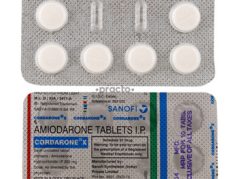
Several categories of medications are available in Canada to manage heart rhythm disorders:
Regular monitoring through blood tests and ECGs is essential for patients on rhythm medications. Lifestyle adjustments including limiting caffeine, managing stress, and maintaining regular sleep patterns support treatment effectiveness. Seek immediate emergency care for severe chest pain, loss of consciousness, or difficulty breathing.
Heart failure is a chronic condition where the heart cannot pump blood effectively to meet the body's needs. With proper management and medication adherence, patients can maintain quality of life and slow disease progression.
Heart failure symptoms typically include shortness of breath, swelling in legs and ankles, persistent coughing, fatigue, and rapid weight gain due to fluid retention. The condition progresses through different stages, from risk factors without symptoms to advanced heart failure requiring specialized care. Early intervention significantly improves outcomes.
Canadian healthcare provides access to comprehensive heart failure treatments:
Consistent medication adherence is vital for heart failure management. Regular monitoring includes weight checks, blood pressure measurements, and laboratory tests to ensure optimal medication effectiveness. Working closely with healthcare providers ensures treatment adjustments as needed and helps prevent complications.
Blood clots represent a serious cardiovascular risk that can lead to life-threatening conditions such as heart attack, stroke, and pulmonary embolism. Understanding how blood clots form and the medications available to prevent them is crucial for maintaining cardiovascular health. In Canada, healthcare providers have access to various anticoagulant and antiplatelet medications to help patients manage their clotting risk effectively.
Blood clots form when platelets and proteins in your blood stick together to stop bleeding from an injury. However, when clots form inappropriately within blood vessels, they can block blood flow to vital organs. Certain conditions increase your risk of developing harmful blood clots, including atrial fibrillation, deep vein thrombosis, artificial heart valves, and recent surgeries. Canadian healthcare professionals assess individual risk factors to determine the most appropriate prevention strategy for each patient.
Anticoagulant medications work by interfering with the blood's clotting process, making it less likely for dangerous clots to form. These medications are available through Canadian pharmacies with proper prescriptions and require careful monitoring to ensure safety and effectiveness.
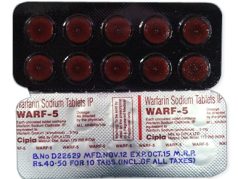
Traditional Options: Warfarin has been a cornerstone of anticoagulation therapy for decades and remains widely prescribed across Canada. This medication requires regular blood tests (INR monitoring) to ensure therapeutic levels. Heparin, available in both unfractionated and low-molecular-weight forms, is often used in hospital settings or for short-term anticoagulation needs.
Novel Oral Anticoagulants (NOACs): Newer medications including apixaban (Eliquis), rivaroxaban (Xarelto), and dabigatran (Pradaxa) offer advantages over traditional options. These medications typically require less frequent monitoring and have fewer dietary restrictions, making them popular choices for many Canadian patients with atrial fibrillation or venous thromboembolism.
Antiplatelet Therapy: Low-dose aspirin and clopidogrel (Plavix) work differently from anticoagulants by preventing platelets from sticking together. These medications are commonly prescribed for patients with coronary artery disease or those who have experienced heart attacks or strokes.
Proper monitoring is essential for safe anticoagulant use. While warfarin requires regular INR testing, newer anticoagulants typically need periodic kidney function and complete blood count monitoring. Canadian pharmacists play a vital role in identifying potential drug interactions, as many common medications can affect anticoagulant effectiveness. Always inform your pharmacist about all medications, including over-the-counter products and natural health products.
All blood-thinning medications increase bleeding risk, making it important to recognize warning signs of excessive bleeding. Canadian patients should be aware of emergency protocols and when to seek immediate medical attention. Signs requiring urgent care include unusual bruising, blood in urine or stool, severe headaches, or bleeding that won't stop.
Preventing cardiovascular disease involves a comprehensive approach that combines risk assessment, appropriate medications, lifestyle modifications, and regular monitoring. Canadian healthcare providers emphasize the importance of early intervention and ongoing support to maintain optimal heart health throughout life.
Cardiovascular risk assessment considers multiple factors including age, family history, blood pressure, cholesterol levels, diabetes status, and smoking history. Canadian guidelines recommend regular risk assessments to identify individuals who would benefit from preventive interventions. Understanding your personal risk profile helps healthcare providers develop targeted prevention strategies tailored to your specific needs.
Beyond prescription medications, various supplements and supportive therapies can contribute to cardiovascular health when used appropriately under professional guidance.
Lifestyle changes remain the foundation of cardiovascular prevention and can significantly impact heart health outcomes. Regular physical activity, following Canada's Food Guide recommendations, maintaining healthy weight, managing stress, and avoiding smoking all contribute to cardiovascular wellness. These modifications can enhance the effectiveness of medications and may reduce the need for intensive pharmaceutical interventions.
Routine health screenings help detect cardiovascular risk factors before they progress to serious conditions. Canadian healthcare guidelines recommend regular blood pressure monitoring, cholesterol testing, and diabetes screening based on age and risk factors. Your pharmacist can provide blood pressure monitoring services and medication reviews to support your cardiovascular health management.
Knowing when to seek professional advice is crucial for maintaining cardiovascular health. Contact your healthcare provider if you experience chest pain, shortness of breath, unusual fatigue, dizziness, or swelling in your legs or feet. Regular check-ups with your physician and consultations with your pharmacist ensure that your cardiovascular medications remain appropriate and effective for your changing health needs.