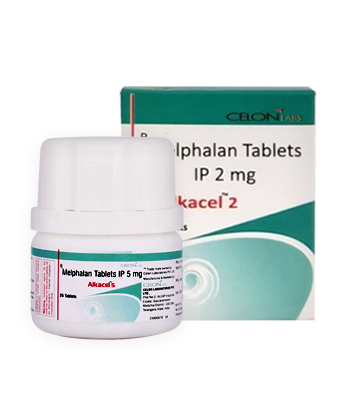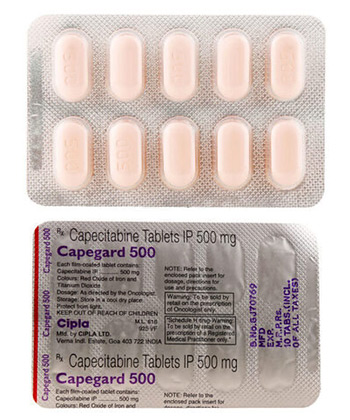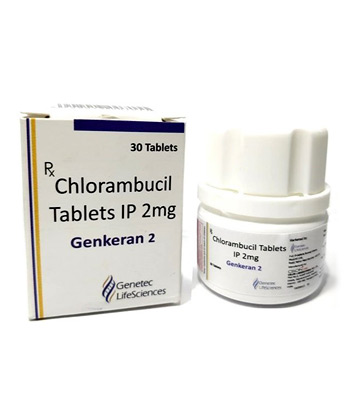
Cancer is a complex group of diseases characterized by the uncontrolled growth and spread of abnormal cells throughout the body. When normal cellular processes become disrupted, these malignant cells can form tumours, invade nearby tissues, and potentially metastasize to distant organs, compromising the body's essential functions.
In Canada, several types of cancer are commonly diagnosed, including breast cancer, lung cancer, colorectal cancer, prostate cancer, and skin cancers such as melanoma. According to the Canadian Cancer Society, these conditions affect thousands of Canadians annually, making comprehensive treatment approaches essential for patient outcomes.
Modern cancer treatment employs multiple therapeutic strategies, often used in combination for optimal effectiveness. Chemotherapy uses powerful medications to destroy cancer cells throughout the body, whilst targeted therapy focuses on specific molecular pathways that cancer cells depend upon for growth. Immunotherapy represents an innovative approach that harnesses the body's immune system to recognize and attack malignant cells.
Prescription medications play a crucial role in cancer care, serving not only as primary treatments but also as supportive therapies to manage symptoms and side effects. These pharmaceuticals are carefully selected and monitored by oncology specialists to ensure maximum therapeutic benefit whilst minimizing adverse reactions.
Early detection remains paramount in cancer treatment success. Regular screenings, prompt medical consultation for concerning symptoms, and ongoing medical supervision throughout treatment are essential components of comprehensive cancer care in the Canadian healthcare system.
Canadian oncologists prescribe various chemotherapy medications based on cancer type, stage, and individual patient factors. These treatments are regulated by Health Canada and available through provincial healthcare systems, ensuring patients receive appropriate access to life-saving therapies.
Several oral chemotherapy medications provide convenient treatment options for Canadian patients. Capecitabine (Xeloda) is commonly prescribed for colorectal and breast cancers, offering the advantage of home administration whilst maintaining therapeutic effectiveness. Temozolomide (Temodal) serves as a standard treatment for certain brain tumours, including glioblastoma multiforme, providing patients with an oral alternative to intravenous therapies.
Many chemotherapy drugs require administration in clinical settings under medical supervision. These injectable treatments are delivered through various methods:
Chemotherapy works by targeting rapidly dividing cells, interfering with DNA replication and cellular division processes. Whilst this mechanism effectively destroys cancer cells, it may also affect healthy rapidly dividing cells, such as those in hair follicles and the gastrointestinal tract.
Managing chemotherapy side effects is crucial for treatment success. Canadian pharmacies stock supportive care medications including anti-nausea drugs, mouth rinses for oral mucositis, and treatments for chemotherapy-induced neuropathy, ensuring comprehensive patient care throughout treatment.
Modern cancer treatment in Canada has evolved significantly with the introduction of targeted therapies and immunotherapy medications. These innovative treatments offer more precise approaches to fighting cancer by specifically targeting cancer cells or enhancing the body's immune system response.
Health Canada has approved several targeted cancer medications that work by interfering with specific molecules involved in tumour growth and progression. Imatinib (Gleevec) represents a breakthrough treatment for chronic myeloid leukemia and certain types of gastrointestinal stromal tumours. This medication blocks specific proteins that promote cancer cell growth, offering patients improved outcomes with fewer side effects compared to traditional chemotherapy.
Trastuzumab (Herceptin) is another essential targeted therapy available through Canadian pharmacies, specifically designed for HER2-positive breast cancers. This monoclonal antibody treatment targets the HER2 protein found on the surface of certain breast cancer cells, helping to slow or stop tumour growth.
Immunotherapy represents one of the most promising advances in cancer treatment, working by harnessing the body's natural immune system to fight cancer. Health Canada has approved various immunotherapy options including:
Hormone-sensitive cancers, particularly breast and prostate cancers, can be effectively treated with hormone therapy medications available through Canadian healthcare systems. These treatments work by blocking or lowering hormone levels that fuel certain types of cancer growth. For breast cancer, medications such as tamoxifen and aromatase inhibitors are commonly prescribed, while prostate cancer patients may benefit from androgen deprivation therapy options.
Canadian oncology practices increasingly embrace personalized medicine, tailoring treatments based on individual patient characteristics and specific tumour profiles. This approach involves genetic testing of both the patient and the tumour to identify the most effective treatment options. Pharmacogenomic testing helps determine how patients metabolize certain medications, allowing healthcare providers to optimize dosing and minimize adverse effects.
While newer cancer therapies offer significant advantages, including improved survival rates and quality of life, patients and healthcare providers must carefully consider various factors. These treatments often come with different side effect profiles compared to traditional chemotherapy, requiring specialized monitoring and management. Coverage through provincial health plans and private insurance may vary, making it essential to discuss financial considerations with healthcare teams and pharmacy benefit specialists.
Access to these advanced therapies through Canadian cancer centres continues to expand, with many treatments now available through specialized pharmacy programs and clinical trial opportunities across the country.
Cancer treatment often brings challenging side effects that require comprehensive symptom management. Canadian pharmacies provide essential supportive care medications to help patients maintain their quality of life throughout their treatment journey. These medications work alongside primary cancer therapies to address the physical and emotional challenges that arise during treatment.
Nausea and vomiting are among the most common side effects of cancer treatment. Ondansetron (Zofran) is a highly effective 5-HT3 receptor antagonist that prevents chemotherapy-induced nausea and vomiting. Metoclopramide offers dual benefits by reducing nausea while promoting gastric emptying, making it particularly useful for patients experiencing delayed gastric emptying. These medications are available through Canadian pharmacies with proper prescriptions from oncology specialists.
Cancer-related pain requires specialized management approaches tailored to each patient's needs. Canadian pharmacies stock various pain management options, from non-opioid analgesics like acetaminophen and NSAIDs to stronger opioid medications such as morphine, oxycodone, and fentanyl patches. Adjuvant medications including gabapentin and pregabalin help manage neuropathic pain commonly associated with certain chemotherapy treatments.
Cancer treatments can cause numerous side effects requiring targeted interventions. Pharmacies provide medications for:
Maintaining proper nutrition during cancer treatment is crucial for recovery and treatment tolerance. Appetite stimulants like megestrol acetate help patients maintain healthy eating patterns. Canadian pharmacies also provide specialized nutritional supplements, protein powders, and meal replacement options designed specifically for cancer patients experiencing taste changes or difficulty eating.
Cancer diagnosis and treatment often impact mental health and sleep patterns. Short-term sleep aids and anti-anxiety medications help patients cope with treatment stress. Canadian pharmacies work closely with oncology teams to provide appropriate medications while monitoring for interactions with cancer treatments.
Navigating cancer medication access in Canada involves understanding various coverage options and support systems. The Canadian healthcare system provides multiple pathways to ensure patients receive necessary treatments, though the process may vary by province and individual circumstances.
Each Canadian province operates its own public drug insurance program with specific eligibility criteria for cancer medications. Most provinces provide coverage for essential cancer treatments through their respective drug formularies. Patients typically qualify based on factors such as age, income level, medical necessity, and residency status. Some provinces offer specialized cancer drug programs that provide enhanced coverage for oncology medications not covered under standard provincial plans.
Private insurance plans often complement provincial coverage by covering medications not included in public formularies or reducing out-of-pocket costs. Many employer-sponsored health plans include comprehensive prescription drug coverage that may cover newer cancer treatments or supportive care medications. Patients should review their private insurance benefits carefully and understand prior authorization requirements, annual maximums, and coverage limitations specific to cancer treatments.
Pharmaceutical manufacturers often provide patient assistance programs for expensive cancer medications, offering financial support or free medication to eligible patients. Health Canada's Special Access Programme allows access to promising treatments not yet approved in Canada for patients with serious conditions. Compassionate use programs provide early access to experimental treatments when standard options have been exhausted.
Oncology pharmacists play a crucial role in cancer care by providing specialized medication management, monitoring for drug interactions, and ensuring proper dosing protocols. These specialists work within cancer centres and some community pharmacies to optimize treatment outcomes. They provide valuable education about medication administration, side effect management, and coordinate with the entire oncology care team to ensure seamless treatment delivery.
Cancer medications require specific prescription protocols including detailed patient monitoring and regular follow-up assessments. Prescriptions typically come from qualified oncologists or hematologists and may require prior authorization from provincial drug plans or insurance providers. Many cancer treatments necessitate regular blood work monitoring, liver function tests, and other diagnostic assessments to ensure safe and effective treatment progression.