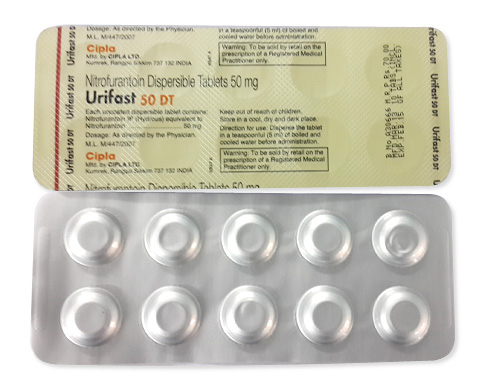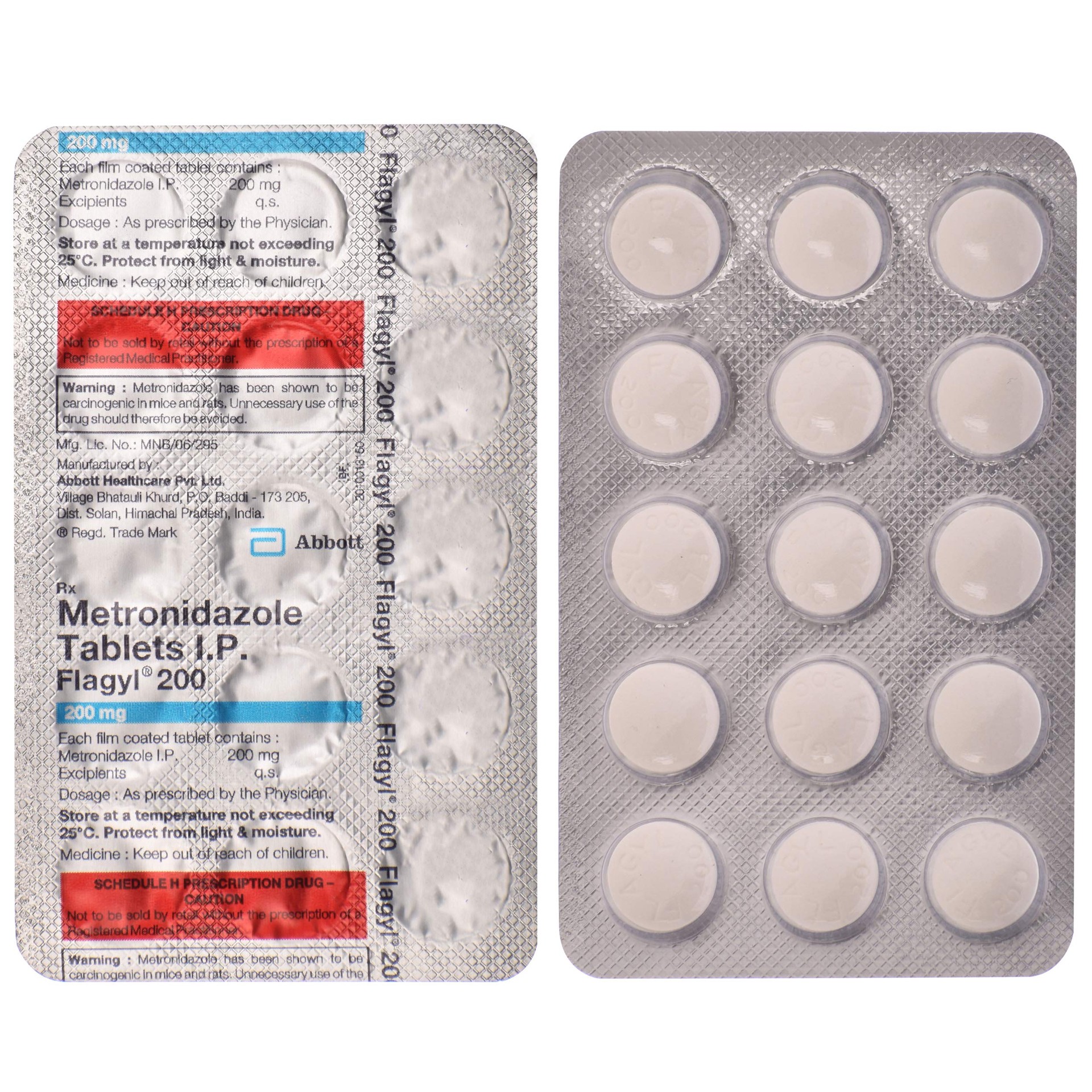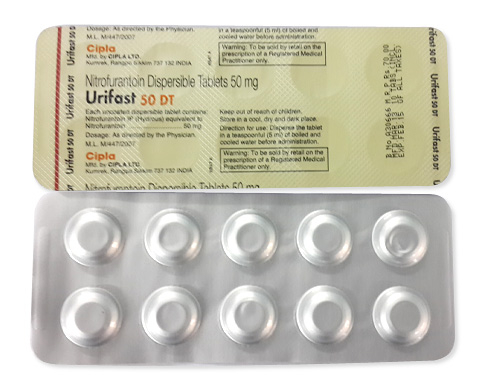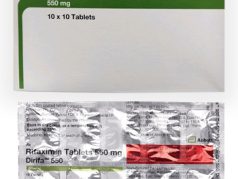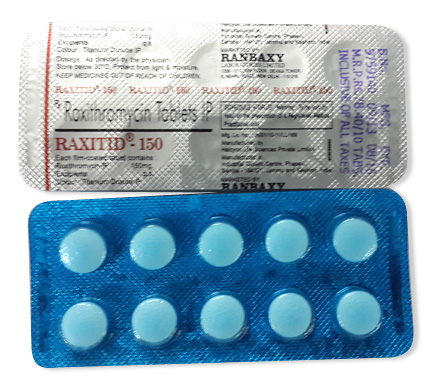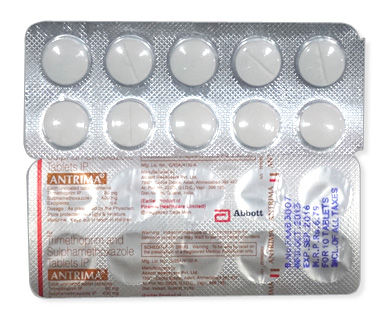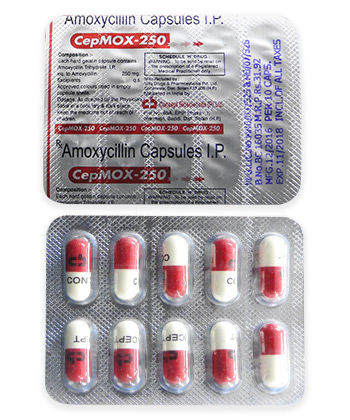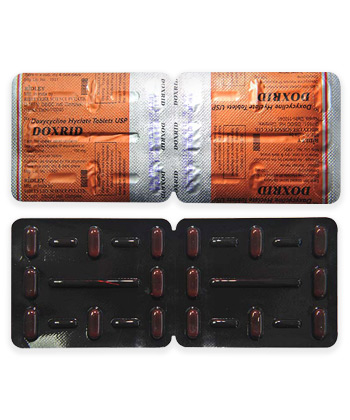
Antibacterial drugs are specialized medications designed to combat bacterial infections by either killing bacteria or inhibiting their growth and reproduction. These medications work through various mechanisms, including disrupting bacterial cell wall synthesis, interfering with protein production, or blocking essential metabolic processes that bacteria need to survive.
While the terms are often used interchangeably, there are important distinctions between antibacterial, antibiotic, and antimicrobial medications. Antibacterials specifically target bacteria, antibiotics refer to substances that fight various microorganisms (originally derived from natural sources), and antimicrobials encompass all agents that combat microbes, including bacteria, viruses, fungi, and parasites.
Understanding the difference between bacterial and viral infections is crucial for proper treatment. Antibacterials are only effective against bacterial infections and will not treat viral illnesses such as the common cold or influenza. Misuse of these medications can lead to antibiotic resistance and unnecessary side effects.
In Canada, antibacterial medications are commonly prescribed for various bacterial infections including:
Proper medical diagnosis through clinical examination and, when necessary, laboratory testing is essential before beginning antibacterial treatment to ensure appropriate medication selection and dosing.
Penicillins, including Amoxicillin and Ampicillin, are among the most widely prescribed antibacterials in Canada. These medications work by interfering with bacterial cell wall formation and are particularly effective against streptococcal infections, certain pneumonia cases, and many skin infections. Amoxicillin is frequently prescribed for ear infections, dental abscesses, and respiratory tract infections.
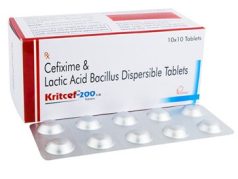
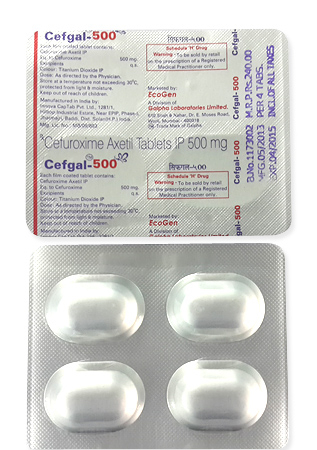
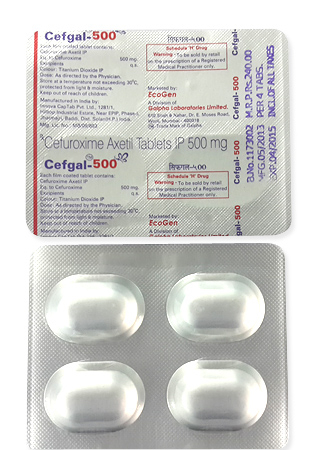
Cephalexin and Cefuroxime represent this broad-spectrum class of antibacterials that are structurally related to penicillins. These medications are often prescribed for patients with mild penicillin allergies and are effective against a wide range of bacterial infections, including urinary tract infections and skin conditions.
Azithromycin, Clarithromycin, and Erythromycin belong to the macrolide family, which works by inhibiting bacterial protein synthesis. These medications are commonly prescribed for respiratory infections, including atypical pneumonia, and are often chosen for patients with penicillin allergies.
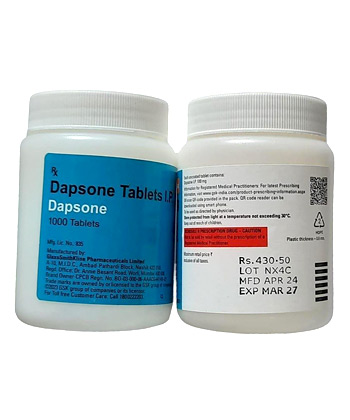
Ciprofloxacin and Levofloxacin are powerful broad-spectrum antibacterials reserved for more serious infections. Tetracyclines like Doxycycline and Minocycline are frequently used for acne treatment and certain tick-borne diseases. Sulfonamides and combination drugs provide additional treatment options for specific bacterial infections, particularly urinary tract infections.
Antibacterial medications are essential tools in treating various bacterial infections that affect different parts of the body. Healthcare providers in Canada commonly prescribe these medications for specific conditions where bacterial pathogens are the underlying cause.
Antibacterials are frequently prescribed for serious respiratory conditions including bacterial pneumonia, acute bronchitis with bacterial complications, and severe sinusitis. These infections can significantly impact breathing and overall health, requiring prompt medical intervention to prevent complications.
Urinary tract infections (UTIs) represent one of the most common reasons for antibacterial prescriptions, particularly affecting women. Skin and soft tissue infections, including cellulitis and wound infections, also require antibacterial treatment to prevent spreading and promote healing.
Ear infections are another frequent indication, with both middle ear infections (otitis media) in children and external ear infections (otitis externa) responding well to appropriate antibacterial therapy. Additionally, certain gastrointestinal infections caused by harmful bacteria may require treatment, along with sexually transmitted infections such as chlamydia and gonorrhoea.
Antibacterials also play a crucial preventive role in post-surgical care, where healthcare providers may prescribe these medications to reduce the risk of infection at surgical sites, ensuring proper healing and recovery.
In Canada, antibacterial medications are strictly regulated by Health Canada and classified as prescription-only medicines. This regulatory framework ensures these powerful medications are used appropriately and safely under professional medical supervision.
Only licensed healthcare providers, including physicians, nurse practitioners, and in some provinces, pharmacists with additional prescribing authority, can prescribe antibacterial medications. This requirement ensures proper diagnosis, appropriate medication selection, and monitoring for potential adverse effects or drug interactions.
Provincial health insurance plans across Canada typically cover many antibacterial medications, though coverage varies by province and specific medication. Patients should verify coverage details with their provincial health authority.
The prescription-only status helps combat antimicrobial resistance by preventing inappropriate self-medication and ensuring proper dosing and duration of treatment.
Following your healthcare provider's instructions precisely is crucial for effective antibacterial treatment. Always take the exact dosage prescribed at the recommended intervals, even if you begin feeling better before the course is complete. Stopping treatment early can lead to incomplete bacterial elimination and potential resistance development.
Antibacterial medications may cause side effects ranging from mild to severe. Common reactions include nausea, diarrhea, stomach upset, and skin rashes. Serious allergic reactions, though rare, can include difficulty breathing, severe rash, or swelling of the face and throat. Seek immediate medical attention if you experience any severe symptoms.
Certain populations require extra caution when using antibacterials:
Store antibacterials in a cool, dry place away from direct sunlight and out of reach of children. Never use expired medications, and dispose of leftover antibacterials properly through pharmacy take-back programs available across Canada.
Antibiotic resistance is a growing public health concern in Canada, with certain bacteria becoming increasingly difficult to treat. The Public Health Agency of Canada actively monitors resistance patterns and works with healthcare providers to implement strategies that preserve the effectiveness of these crucial medications for future generations.
Canadians play a vital role in combating antibiotic resistance through responsible use. Never share antibacterials with others, even if they appear to have similar symptoms. Avoid saving leftover medications for future use, as incomplete courses contribute to resistance development. Only use antibacterials prescribed specifically for you by a qualified healthcare provider.
Canada's antimicrobial stewardship programs focus on optimizing treatment while minimizing resistance. Support these efforts by practicing good hygiene, staying up-to-date with vaccinations, and exploring preventive measures with your healthcare provider. Remember that viral infections like common colds and flu do not require antibacterial treatment.