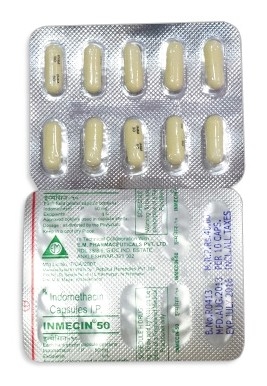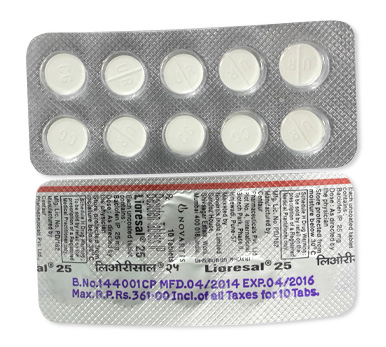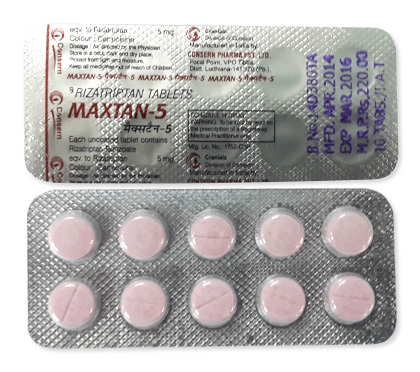
Analgesics are medications specifically designed to reduce or eliminate pain without causing loss of consciousness. These essential pharmaceutical products work by interfering with pain signals in your nervous system, either by blocking pain receptors or reducing inflammation at the source of discomfort.
Pain medications function through different mechanisms depending on their classification. Some analgesics work directly on the central nervous system to alter how your brain perceives pain, while others target inflammation and swelling at the injury site to provide relief.
Understanding the difference between acute and chronic pain is crucial for selecting appropriate treatment. Acute pain is sudden and short-term, often resulting from injuries or medical procedures, while chronic pain persists for weeks, months, or years and may require ongoing management strategies.
When considering pain relief options, over-the-counter medications are typically suitable for mild to moderate pain, fever, and inflammation. However, prescription analgesics may be necessary for severe pain, chronic conditions, or when OTC options prove insufficient. Always consult with a healthcare professional or pharmacist to ensure safe and effective pain management, especially when combining medications or managing underlying health conditions.
Acetaminophen stands as one of Canada's most trusted pain relievers and fever reducers. This versatile medication effectively treats headaches, muscle aches, arthritis pain, backaches, toothaches, and reduces fever associated with colds and flu. Unlike anti-inflammatory drugs, acetaminophen works primarily in the brain to block pain signals.
For adults and children over 12 years, the recommended dosage is 325-1000mg every 4-6 hours, not exceeding 4000mg in 24 hours. However, liver safety is paramount when using acetaminophen. Exceeding recommended doses or combining with alcohol can cause serious liver damage. Individuals with liver disease should consult healthcare providers before use.
ASA offers dual benefits as both a pain reliever and anti-inflammatory medication. Its anti-inflammatory properties make it particularly effective for conditions involving swelling, such as sprains, arthritis, and muscle strains. Additionally, low-dose ASA provides cardiovascular benefits by reducing blood clot formation.
Important safety considerations include:
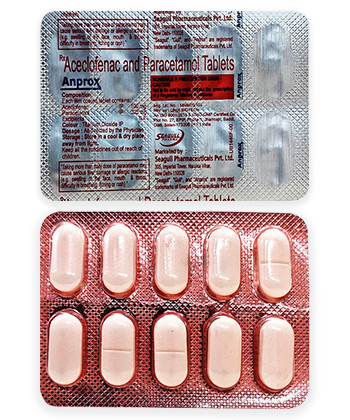
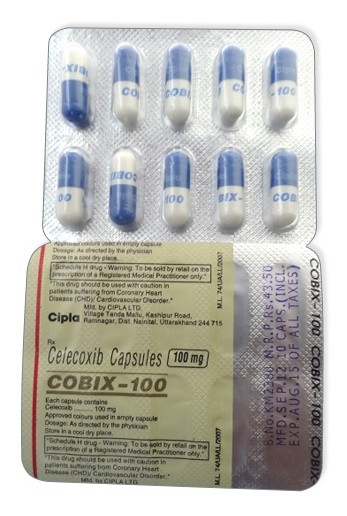
Non-steroidal anti-inflammatory drugs (NSAIDs) are particularly effective for pain accompanied by inflammation, making them excellent choices for muscle strains, arthritis, and menstrual discomfort. These medications work by blocking enzymes that produce inflammatory compounds in the body.
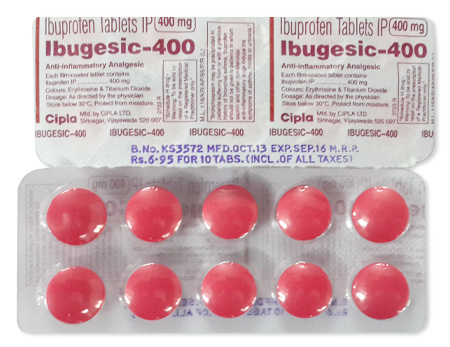
Ibuprofen, available as Advil, Motrin IB, and Life Brand Ibuprofen, provides reliable relief for muscle pain, inflammation, and menstrual cramps. This versatile NSAID reduces both pain and swelling, making it ideal for sports injuries and general aches. However, taking ibuprofen with food helps protect your stomach lining, and individuals with kidney conditions should consult their pharmacist before use.
Naproxen, found in Aleve and Anaprox, offers longer-lasting relief compared to other NSAIDs, making it particularly beneficial for arthritis and chronic joint pain. While you'll take naproxen less frequently throughout the day, it's important to be aware of potential cardiovascular risks with prolonged use.
When choosing NSAIDs, consider combination products that may include additional ingredients for enhanced effectiveness. Select NSAIDs when inflammation is a significant component of your pain, but always follow dosing instructions and discuss long-term use with your healthcare provider.
Topical analgesics offer targeted pain relief by delivering active ingredients directly to the affected area, minimizing systemic side effects while providing localized comfort. These products are particularly valuable for muscle and joint pain in specific body regions.
Voltaren Emulgel and Aspercreme contain anti-inflammatory ingredients that penetrate the skin to reduce localized inflammation and pain. These topical NSAIDs are especially effective for arthritis pain in hands, knees, and other accessible joints, offering the benefits of NSAIDs without affecting your entire system.
Menthol-based products like Bengay and Icy Hot provide immediate cooling or warming sensations that help interrupt pain signals. These products work through counter-irritation, creating sensations that distract from underlying pain.
For persistent nerve pain, capsaicin creams offer a unique approach by depleting pain-transmitting substances over time with regular application.
The advantages of localized treatment include:
Apply topical products to clean, unbroken skin using gentle circular motions, and always test a small area first to check for skin sensitivity.
Combination analgesics offer enhanced pain relief by combining multiple active ingredients. Popular options like Tylenol Extra Strength and Excedrin provide targeted relief for various pain conditions. These formulations often combine acetaminophen with other analgesics to maximize effectiveness while maintaining safety profiles approved by Health Canada.
Caffeine-enhanced formulations provide additional benefits for headache and migraine relief, working synergistically with traditional pain relievers. Extended-release options offer longer-lasting relief, ideal for chronic conditions requiring consistent pain management throughout the day.
Specialized products target specific conditions:
Canada offers various natural pain management alternatives, including herbal supplements, homeopathic remedies, and traditional medicines. These Health Canada-approved options provide gentle pain relief for those preferring natural approaches or seeking complementary treatments alongside conventional analgesics.
Selecting appropriate pain relief depends on pain characteristics and underlying causes. Acute pain from injuries responds well to NSAIDs, while chronic conditions may require acetaminophen or specialized formulations. Consider pain intensity, duration, and location when choosing between oral medications, topical applications, or combination therapies available in Canadian pharmacies.
Always review potential interactions with existing medications, including prescription drugs and supplements. Common contraindications include liver conditions with acetaminophen use and stomach ulcers with NSAIDs. Maximum daily dosages must be strictly observed:
Consult healthcare providers for persistent pain lasting over three days, severe pain interfering with daily activities, or when combining multiple pain relievers. Special populations including seniors, pregnant women, and children require modified dosing and careful product selection under professional guidance.
Store medications in cool, dry places away from children. Check expiration dates regularly and dispose of expired products through pharmacy take-back programs available across Canada.