Alcohol use disorder (AUD), commonly known as alcoholism, is a chronic medical condition characterized by an inability to control alcohol consumption despite negative consequences. This disorder affects millions of Canadians and represents a significant public health concern across all provinces and territories.
Key warning signs include drinking more or longer than intended, unsuccessful attempts to cut down, spending considerable time obtaining or recovering from alcohol, craving alcohol, and continued use despite problems with family, work, or health. Physical symptoms may include tolerance, withdrawal symptoms, and neglecting responsibilities.
Risk factors include family history, mental health disorders, early alcohol use, and social environment. Alcoholism significantly impacts both physical health (liver disease, cardiovascular problems, neurological damage) and mental health (depression, anxiety, cognitive impairment). Professional help should be sought when alcohol use interferes with daily life, relationships, or physical health.
Canada offers comprehensive treatment options for alcoholism through both public healthcare systems and private facilities. Treatment approaches are covered under provincial health insurance plans, making recovery accessible to all Canadians regardless of financial circumstances.
Medical detoxification programs provide supervised withdrawal management in hospital or specialized clinic settings. These programs ensure safe alcohol withdrawal while managing potentially dangerous symptoms. Inpatient rehabilitation services offer intensive, residential treatment typically lasting 28-90 days, combining medical care with counselling and life skills training.
Outpatient treatment options allow individuals to maintain work and family commitments while receiving regular counselling, medical monitoring, and group therapy sessions. Professional counselling services include:
Support groups and peer programs, including Alcoholics Anonymous (AA) and SMART Recovery, provide ongoing community support. Provincial healthcare coverage varies by province, with most covering detoxification, counselling services, and medication-assisted treatment through healthcare plans.
Several prescription medications are available in Canada to support individuals recovering from alcohol dependence. These medications work through different mechanisms to reduce cravings, prevent relapse, and manage withdrawal symptoms as part of a comprehensive treatment plan.
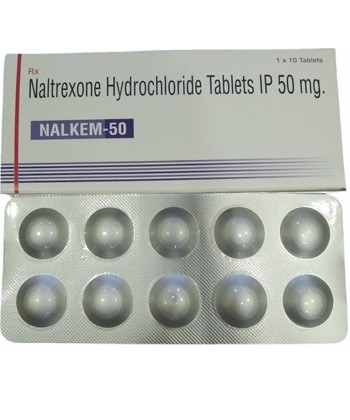
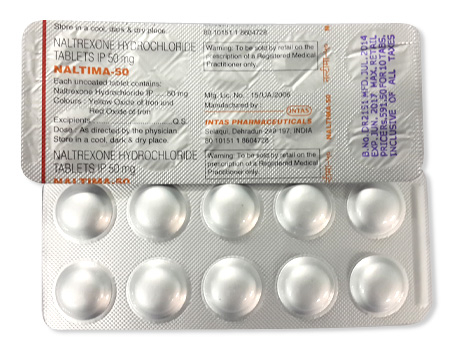
Naltrexone (ReVia, Vivitrol) is an opioid receptor antagonist that reduces alcohol cravings and blocks the euphoric effects of drinking. Available in both oral and extended-release injectable forms, naltrexone helps patients maintain sobriety by diminishing the rewarding sensations associated with alcohol consumption.
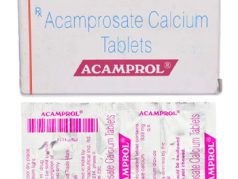
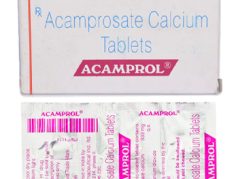
Acamprosate (Campral) works by restoring the chemical balance in the brain affected by chronic alcohol use. This medication is particularly effective in helping individuals maintain abstinence by reducing withdrawal symptoms and the physical discomfort that can trigger relapse.
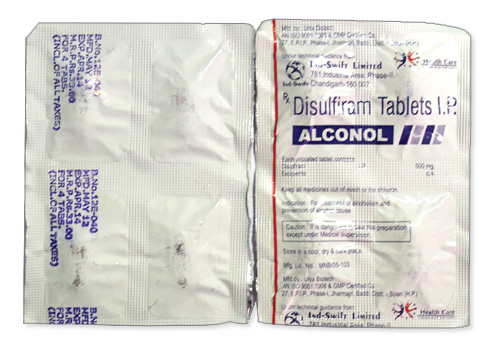
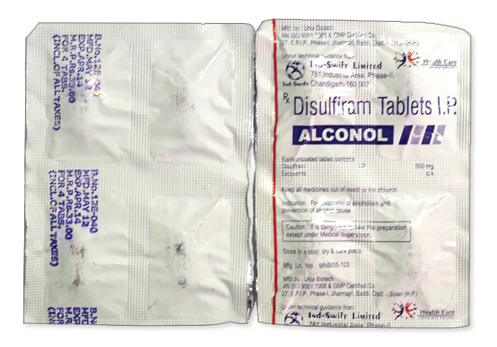
Disulfiram (Antabuse) creates a deterrent effect by causing unpleasant reactions when alcohol is consumed, including nausea, headache, and flushing. This medication requires strict adherence and careful monitoring due to potential serious interactions.
All alcohol dependence medications require a prescription from a licensed physician and regular monitoring. Healthcare providers will assess medical history, current health status, and treatment goals before prescribing. Regular follow-up appointments are essential to monitor effectiveness and adjust dosages as needed.
Alcohol withdrawal can present serious health risks and requires careful medical management. Symptoms typically begin within 6-24 hours after the last drink and may include tremors, anxiety, nausea, sweating, and in severe cases, seizures or delirium tremens.
Healthcare providers may prescribe specific medications to manage withdrawal safely. Benzodiazepines such as lorazepam or diazepam help control anxiety and prevent seizures, while anticonvulsants like gabapentin may be used for additional seizure protection and anxiety relief.
Nutritional support plays a crucial role in withdrawal management. Thiamine (vitamin B1) supplementation is essential to prevent serious neurological complications, while vitamin B complex helps restore depleted nutrients. Electrolyte replacement therapy addresses imbalances caused by chronic alcohol use and dehydration.
Sleep disturbances and anxiety are common during withdrawal. Under medical supervision, appropriate sleep aids and anti-anxiety medications may be prescribed. It's vital that withdrawal management occurs under proper medical supervision, as complications can be life-threatening. Canadian healthcare providers follow established protocols to ensure safe detoxification.
Recovery from alcoholism often requires comprehensive nutritional support to help restore physical health. Multivitamins specifically formulated for recovery contain higher levels of B vitamins, vitamin C, and minerals commonly depleted by chronic alcohol consumption.
Milk thistle supplements contain silymarin, which may help support liver function and regeneration. Research suggests this herb may assist in protecting liver cells from further damage. Omega-3 fatty acids, particularly DHA and EPA, support brain health and may help with cognitive recovery and mood stabilization during the healing process.
Magnesium supplements can help address deficiencies common in alcohol recovery while supporting better sleep quality and reducing anxiety. Natural sleep aids containing ingredients like melatonin, valerian root, or passionflower may help establish healthy sleep patterns without dependency risks.
Alcohol can significantly impact gut health and the microbiome. Probiotic supplements help restore beneficial bacteria and improve digestive function. These products support:
Prevention strategies and harm reduction tools play essential roles in managing alcohol-related risks. Educational resources help individuals and families understand the signs of alcohol dependency and available treatment options across Canadian provinces.
Personal blood alcohol testing devices allow individuals to monitor their consumption levels, providing objective feedback about alcohol's impact. Liver function monitoring tools, available through healthcare providers, help track recovery progress and identify potential complications early.
Family support resources are crucial for successful recovery outcomes. Canadian organizations provide specialized programs for family members affected by a loved one's alcoholism. Relapse prevention strategies include identifying triggers, developing coping mechanisms, and maintaining ongoing support networks.
Community resources vary by province but typically include addiction counselling services, support groups, and crisis helplines. Health Canada provides national resources, while provincial health authorities offer localized support programs tailored to regional needs and cultural considerations.