Nicotine addiction develops rapidly when tobacco smoke delivers nicotine to the brain within seconds of inhalation. This powerful substance binds to nicotinic receptors, triggering the release of dopamine and creating pleasurable sensations. Over time, the brain adapts by reducing natural dopamine production, making smokers dependent on nicotine to feel normal.
Both physical and psychological dependence work together to maintain smoking habits. Physical dependence causes withdrawal symptoms like irritability, cravings, and difficulty concentrating when nicotine levels drop. Psychological dependence links smoking to daily routines, emotions, and social situations, making cigarettes feel essential for managing stress or enjoying activities.
The good news is that quitting delivers immediate health benefits. Within 24 hours, your risk of heart attack begins to decrease. After 48 hours, nerve endings start regenerating, improving your sense of taste and smell. Long-term improvements are even more remarkable – within one year, your risk of coronary heart disease drops by half, lung function improves significantly, and cancer risk continues decreasing over time.
Beyond health benefits, quitting smoking provides substantial financial relief. With cigarette prices averaging $15-20 per pack in Canada, a pack-a-day smoker can save over $6,000 annually. Additionally, quitting positively impacts relationships by eliminating secondhand smoke exposure for family members and reducing the social isolation that smoking restrictions often create.
Nicotine patches provide steady, controlled nicotine delivery through the skin over 16 or 24 hours. Available in three strengths (7mg, 14mg, 21mg), they're applied to clean, dry skin on the upper arm or torso. Heavy smokers typically start with 21mg patches, gradually stepping down every 2-4 weeks. The patch should be rotated to different skin areas daily to prevent irritation.
Nicotine gum requires proper technique for effectiveness. Chew slowly until you taste nicotine or feel tingling, then park the gum between your cheek and gum. Resume chewing when the taste fades. Available in 2mg and 4mg strengths, with 4mg recommended for heavy smokers. Use one piece every 1-2 hours for the first six weeks, avoiding eating or drinking 15 minutes before and during use.
Nicotine lozenges dissolve slowly in the mouth over 20-30 minutes, available in various flavours and 2mg or 4mg strengths. Allow them to dissolve naturally without chewing or swallowing.
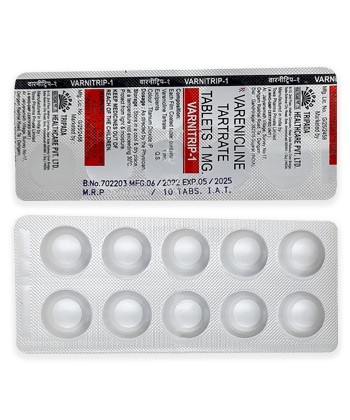
Champix works by binding to nicotine receptors in the brain, reducing both the pleasure derived from smoking and withdrawal symptoms. The standard dosing schedule begins with 0.5mg once daily for days 1-3, then 0.5mg twice daily for days 4-7, followed by 1mg twice daily for the remainder of the 12-week treatment course. Clinical studies show Champix achieves smoking cessation rates of approximately 44% at 12 weeks, significantly higher than placebo treatments.
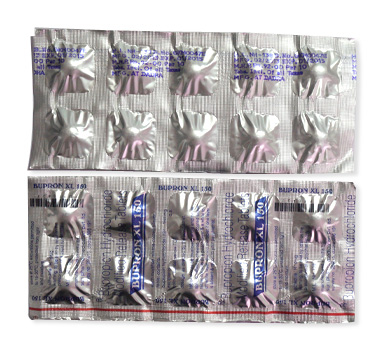
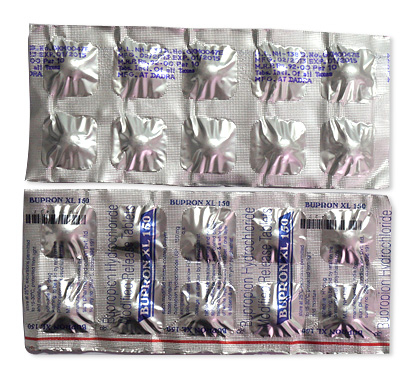
Zyban is an atypical antidepressant that helps reduce nicotine cravings and withdrawal symptoms by affecting dopamine and norepinephrine levels in the brain. The typical treatment duration is 7-12 weeks, starting with 150mg daily for three days, then increasing to 150mg twice daily. Important contraindications include seizure disorders, eating disorders, and concurrent use of MAO inhibitors.
Both medications require a prescription and consultation with a healthcare provider who will assess your medical history, current medications, and smoking patterns. Regular monitoring is essential, as potential side effects include nausea, vivid dreams, mood changes, and rarely, serious neuropsychiatric symptoms. Most Canadian provincial health plans provide coverage for these medications when prescribed by a physician, though specific coverage details vary by province and may require prior authorization.
Many Canadians explore herbal supplements like St. John's Wort, lobelia, and passionflower, though scientific evidence for their effectiveness remains limited. Vitamin C and B-complex supplements can help support your body during nicotine withdrawal, as smoking depletes these essential nutrients. These vitamins may help reduce stress and support nervous system function during the quitting process.
Physical substitutes can help manage the oral fixation aspect of smoking addiction. Consider these alternatives:
Acupuncture, hypnotherapy, and mindfulness meditation are increasingly popular complementary approaches available across Canada. While results vary individually, many people find these methods helpful for managing stress and cravings when combined with other cessation strategies.
Developing a comprehensive quit plan significantly increases your chances of successfully becoming smoke-free. A well-structured approach helps you prepare mentally, physically, and emotionally for the journey ahead while providing clear strategies to navigate challenges.
Choose a quit date within the next two weeks—close enough to maintain motivation but far enough to prepare adequately. Mark this date on your calendar and inform your support network. In the days leading up to your quit date, remove all smoking materials from your home, car, and workplace. Clean your living spaces thoroughly to eliminate smoke odours, and consider professional dental cleaning to start fresh.
Understanding your unique smoking patterns is crucial for success. Common triggers include stress, social situations, driving, drinking coffee, or taking work breaks. Keep a smoking diary for several days before your quit date, noting when, where, and why you smoke. This awareness helps you anticipate challenging moments and prepare alternative responses.
Cravings typically last 3-5 minutes and will pass whether you smoke or not. Develop a toolkit of healthy coping strategies such as deep breathing exercises, physical activity, sugar-free gum, or calling a friend. Practice the "4 D's": Delay, Deep breathe, Drink water, and Do something else. Keep your hands and mouth busy with alternatives like stress balls, toothpicks, or healthy snacks.
Strong support systems double your chances of quitting successfully. Inform family and friends about your quit date and ask for their encouragement. Consider these Canadian resources:
Research shows that combining approaches increases success rates significantly. Consider pairing nicotine replacement therapy with counselling support, or prescription medications with behavioural strategies. Your pharmacist can help determine the best combination based on your smoking history, health status, and personal preferences.
Monitor your progress daily and celebrate achievements along the way. Track money saved, health improvements, and smoke-free days. Set meaningful rewards for milestones like one day, one week, one month, and three months smoke-free. These celebrations reinforce your commitment and motivation to continue.
Understanding and preparing for withdrawal symptoms helps normalize the quitting experience and provides confidence in managing temporary discomfort. Most symptoms peak within the first few days and gradually subside over several weeks.
Withdrawal symptoms vary among individuals but typically include irritability, anxiety, difficulty concentrating, increased appetite, sleep disturbances, and intense cravings. Physical symptoms like headaches, fatigue, and restlessness are also common. Remember that these symptoms indicate your body is healing and adjusting to life without nicotine.
Withdrawal symptoms follow a predictable pattern. Within 24 hours, cravings and irritability begin. Days 2-3 typically represent peak intensity as nicotine completely leaves your system. Most physical symptoms improve significantly within the first week, while psychological symptoms may persist for several weeks. Understanding this timeline helps maintain perspective during challenging moments.
Different symptoms require targeted approaches. For irritability and anxiety, practice relaxation techniques, exercise regularly, and ensure adequate sleep. Combat concentration difficulties by breaking tasks into smaller steps and taking frequent breaks. Manage increased appetite with healthy snacks, proper meal planning, and staying hydrated. Address sleep disturbances by establishing consistent bedtime routines and avoiding caffeine late in the day.
Certain situations pose higher relapse risks, including social events where others smoke, stressful periods, alcohol consumption, and emotional upheaval. The acronym "HALT" helps identify vulnerable states: Hungry, Angry, Lonely, or Tired. Recognizing these situations early allows you to implement coping strategies before cravings become overwhelming.
A slip doesn't mean failure—most successful quitters experience setbacks before achieving long-term success. If you smoke, don't view it as permission to return to regular smoking. Analyze what led to the slip, adjust your quit plan accordingly, and set a new quit date immediately. Learn from the experience and use it to strengthen your resolve and strategies.
Maintaining your smoke-free lifestyle requires ongoing vigilance and strategy adjustment. Continue avoiding known triggers when possible, maintain healthy lifestyle habits that support your quit effort, and stay connected with your support network. Regular check-ins with your pharmacist or healthcare provider can provide ongoing encouragement and address any concerns that arise during your smoke-free journey.