Sleep difficulties affect millions of Canadians, with studies showing that nearly one-third of adults experience symptoms of insomnia. Poor sleep quality can significantly impact your physical health, mental well-being, and overall quality of life. Recognizing when you might benefit from sleep aids is crucial for maintaining optimal health.
Several sleep disorders commonly affect Canadian adults:
You may benefit from sleeping aids if you experience difficulty falling asleep within 30 minutes, wake frequently during the night, feel unrefreshed after sleep, or notice daytime fatigue affecting your work or relationships. However, if sleep problems persist for more than two weeks, consult your healthcare provider or pharmacist to rule out underlying conditions and discuss appropriate treatment options tailored to your specific needs.
Health Canada approves several over-the-counter sleep aids that can help Canadians achieve better rest. These medications work through different mechanisms to promote sleepiness and improve sleep quality when used appropriately.
Diphenhydramine-based products like Nytol and Sleep-Eze are widely available across Canadian pharmacies. These medications work by blocking histamine receptors in the brain, causing drowsiness. Doxylamine succinate, found in Unisom and Good Sense Sleep Aid, offers similar effects with potentially longer duration.
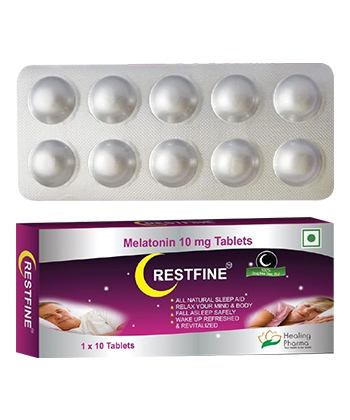
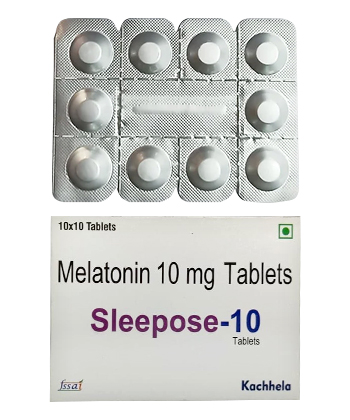
Melatonin is a natural hormone that regulates sleep-wake cycles. Available in various strengths from 1mg to 10mg, melatonin supplements are particularly effective for jet lag, shift work sleep disorders, and age-related sleep changes.
For optimal results, take sleep aids 30-60 minutes before bedtime with adequate time for 7-8 hours of sleep. Important safety considerations include:
Natural sleep remedies offer a gentler approach to improving sleep quality without the potential side effects of synthetic medications. Canadian pharmacies stock a wide variety of herbal supplements that have been used for centuries to promote relaxation and better sleep patterns.
Valerian root is one of the most researched natural sleep aids, known for reducing the time it takes to fall asleep and improving overall sleep quality. Chamomile, available in both tea and capsule forms, contains compounds that bind to brain receptors to promote drowsiness. Passionflower and lemon balm work synergistically to calm nervous tension and reduce anxiety that often interferes with sleep.
L-theanine, an amino acid found in tea leaves, promotes relaxation without sedation, while magnesium helps regulate neurotransmitters that control sleep-wake cycles. Many Canadian pharmacies offer combination herbal formulas that blend multiple ingredients for enhanced effectiveness.
When comparing natural versus synthetic options, herbal remedies typically have fewer side effects and lower risk of dependency. However, it's important to consider proper usage guidelines and potential interactions:
When natural remedies and lifestyle changes aren't sufficient, prescription sleep medications may be necessary to address chronic insomnia or severe sleep disorders. Healthcare providers in Canada have access to several effective options that can help restore healthy sleep patterns when used appropriately.
Zopiclone is one of the most frequently prescribed sleep aids in Canada, belonging to a class of medications called cyclopyrrolones. It helps reduce sleep onset time and decreases nighttime awakenings, typically providing 6-8 hours of quality sleep. Trazodone, originally an antidepressant, is often prescribed off-label for sleep issues, particularly when insomnia is accompanied by mood concerns or depression.
Doctors typically recommend prescription sleep aids when patients experience persistent insomnia lasting more than a few weeks, or when sleep problems significantly impact daily functioning. Your healthcare provider will evaluate underlying causes, review your medical history, and determine the most appropriate treatment approach.
Important considerations for prescription sleep medications include:
Most provincial health plans provide coverage for prescription sleep aids when deemed medically necessary, though specific coverage varies by province and individual insurance plans.
Creating the ideal sleep environment often requires more than medication alone. A comprehensive approach to sleep hygiene involves optimizing your bedroom environment and establishing healthy bedtime routines. Quality sleep hygiene products can significantly improve your rest without the need for pharmaceuticals.
Darkness is crucial for natural melatonin production. Eye masks and blackout curtains effectively block external light sources, while white noise machines and earplugs help minimize disruptive sounds. These products are particularly beneficial for shift workers or those living in busy urban areas across Canada.
Aromatherapy oils such as lavender, chamomile, and bergamot can promote relaxation when used with diffusers or pillow sprays. Ergonomic pillows and temperature-regulating bedding help maintain optimal comfort throughout the night. Blue light blocking glasses worn 2-3 hours before bedtime can help regulate your circadian rhythm by filtering harmful blue light from electronic devices.
Modern sleep tracking devices and smartphone apps provide valuable insights into your sleep patterns, helping you identify areas for improvement and track your progress over time.
Using sleep aids safely requires careful attention to proper usage guidelines and potential risks. Health Canada regulations ensure that over-the-counter sleep aids meet safety standards, but responsible use remains essential for optimal results and health protection.
Monitor your body's response to sleep aids carefully. Tolerance can develop with regular use, potentially requiring higher doses for the same effect. Dependency risks vary by product type, with natural options generally carrying lower risks than synthetic alternatives.
Consult with your pharmacist for personalized recommendations based on your health history and current medications. Seniors and individuals with chronic health conditions require special consideration, as they may be more sensitive to sleep aids and experience different side effects. Establishing sustainable sleep routines alongside temporary aid use ensures long-term sleep health success.