Pain is the body's natural warning system, signalling when something requires attention or care. Understanding the difference between acute and chronic pain is essential for proper management. Acute pain develops suddenly and typically lasts less than three months, often resulting from injury, surgery, or illness. Chronic pain, however, persists for three months or longer and affects approximately 7.6 million Canadians, according to Statistics Canada.
Common pain conditions across Canada include arthritis, lower back pain, migraines, and fibromyalgia. These conditions significantly impact daily life, affecting sleep quality, mood, and overall well-being. For many Canadians, pain interference leads to missed workdays, reduced productivity, and increased healthcare utilisation, creating both personal and economic burdens.
Canadians encounter various types of pain throughout their lives, each requiring different approaches to management. The most frequently experienced pain types include:
Each pain type may respond differently to various treatment approaches, making it important to identify the specific nature of your discomfort for effective relief.
While many pain conditions can be managed with over-the-counter medications and self-care, certain warning signs require immediate medical attention. Seek professional help if you experience severe, sudden pain, pain accompanied by fever, numbness, or weakness, or pain following a significant injury.
Additionally, consult a healthcare provider if pain persists beyond a few days, interferes with sleep or daily activities, or doesn't respond to standard pain relief methods. Understanding the difference between manageable discomfort and serious conditions ensures you receive appropriate care while avoiding unnecessary complications.
Acetaminophen works by blocking pain signals in the brain and reducing fever through its action on the hypothalamus. Unlike other pain relievers, it doesn't reduce inflammation but provides effective relief for various types of discomfort.
For adults, the recommended dosage is 325-650mg every 4-6 hours, with a maximum of 4,000mg per day. Children's dosages are weight-based, typically 10-15mg per kilogram of body weight every 4-6 hours. Acetaminophen is particularly effective for fever reduction, headaches, and mild to moderate pain relief.
Popular Canadian brands include Tylenol, Life Brand, and Kirkland Signature. These products are available in various formulations including regular tablets, caplets, liquid gels, and children's formulations. Always follow dosage instructions carefully, as exceeding recommended amounts can cause serious liver damage.
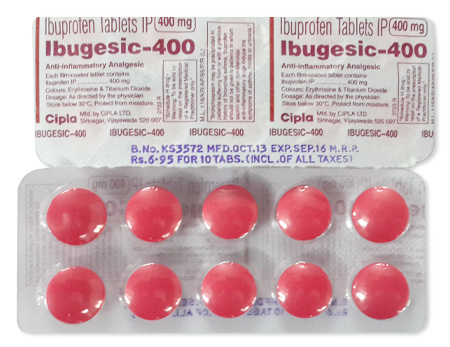
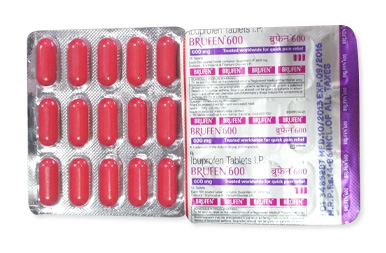
Ibuprofen belongs to the NSAID family and provides both pain relief and anti-inflammatory benefits. It works by reducing the production of prostaglandins, chemicals that cause pain, fever, and inflammation in the body.
This medication is particularly effective for muscle pain, dental discomfort, menstrual cramps, and conditions involving inflammation. Available strengths in Canada include 200mg tablets and liquid formulations. Trusted brands include Advil, Motrin IB, and Life Brand options.
Take ibuprofen with food or milk to protect your stomach lining, as it can cause gastric irritation with prolonged use or in sensitive individuals.
Aspirin has been a trusted pain reliever for over a century and offers additional cardiovascular benefits when used as directed by healthcare providers. It works similarly to other NSAIDs but has unique properties that can help prevent blood clots.
Common Canadian products include regular Aspirin and enteric-coated options like Entrophen, which are gentler on the stomach. Aspirin is effective for headaches, minor aches, and when recommended by doctors, heart health maintenance.
Important safety note: Never give aspirin to children under 18 years due to the risk of Reye's syndrome, a rare but serious condition.
Naproxen sodium provides longer-lasting relief compared to other over-the-counter options, with effects lasting up to 12 hours. This makes it particularly convenient for managing chronic conditions or when consistent pain relief is needed.
Key advantages of naproxen sodium include:
Aleve is the primary brand available in Canadian pharmacies, offering reliable long-term pain management for adults when used according to package directions.
Topical pain relief products offer targeted treatment directly at the source of discomfort, providing effective relief for muscle aches, joint pain, and minor injuries. These over-the-counter solutions are available throughout Canada and can be an excellent alternative or complement to oral pain medications.
Anti-inflammatory creams and gels are among the most popular topical pain relief options available at Canadian pharmacies. Voltaren Emulgel, containing diclofenac, is a trusted choice for reducing inflammation and pain in muscles and joints. Traditional favourites like Aspercreme and Ben-Gay continue to provide reliable relief through different active ingredients and mechanisms.
When selecting topical treatments, consider the formula type that best suits your needs:
For maximum effectiveness, apply products to clean, dry skin and massage gently until fully absorbed. Always wash hands thoroughly after application unless treating hands specifically.
Heat patches offer convenient, long-lasting relief for muscle tension and stiffness, providing therapeutic warmth for up to 8-12 hours. Medicated patches deliver active ingredients directly through the skin for localized pain relief. Follow package directions carefully regarding duration of use and monitor skin for any irritation or allergic reactions during treatment.