Muscle relaxants are prescription medications designed to reduce muscle tension, spasms, and pain by targeting the nervous system's control over muscle contractions. These therapeutic agents work by interrupting the nerve signals that cause muscles to contract involuntarily, providing relief from discomfort and improving mobility for patients experiencing various musculoskeletal conditions.
In the human body, muscle relaxants function through two primary mechanisms. Centrally-acting muscle relaxants work within the brain and spinal cord to suppress nerve signals that trigger muscle spasms, while peripherally-acting muscle relaxants target the muscle fibres directly at the neuromuscular junction. This fundamental difference in action allows healthcare providers to select the most appropriate treatment based on the underlying condition and patient needs.
Healthcare providers commonly prescribe muscle relaxants to treat acute back pain, neck pain, muscle spasms following injury, fibromyalgia, multiple sclerosis, cerebral palsy, and spinal cord injuries. These medications are typically recommended when muscle tension significantly impacts daily activities or when other treatments like physiotherapy and over-the-counter pain relievers prove insufficient.
Medical professionals generally prescribe muscle relaxants for short-term use, usually ranging from a few days to several weeks, as part of a comprehensive treatment plan that may include rest, physiotherapy, and other therapeutic interventions to address the underlying cause of muscle dysfunction.
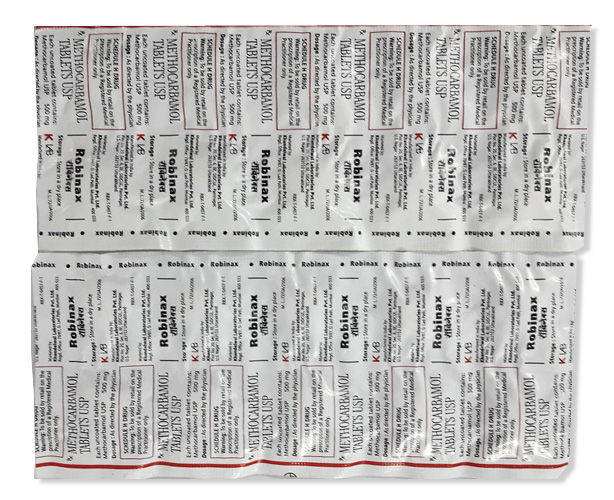
The majority of muscle relaxants available in Canada work centrally through the brain and spinal cord. Cyclobenzaprine (Flexeril) is one of the most commonly prescribed options, particularly effective for acute muscle spasms and often used for short-term treatment of musculoskeletal conditions. Methocarbamol (Robaxin) provides muscle relaxation with relatively mild sedative effects, making it suitable for patients who need to maintain alertness during treatment.
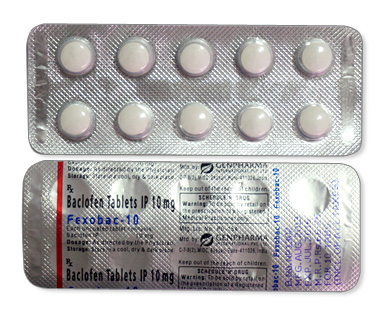
Orphenadrine (Norflex) combines muscle relaxant properties with mild analgesic effects, whilst Baclofen (Lioresal) is specifically indicated for treating spasticity associated with neurological conditions such as multiple sclerosis and spinal cord injuries. Tizanidine (Zanaflex) offers effective muscle relaxation with a shorter duration of action, allowing for more flexible dosing schedules.
Dantrolene (Dantrium) represents the primary peripherally-acting muscle relaxant available in Canada, working directly on muscle fibres to reduce contraction strength. This medication is particularly useful for treating chronic spasticity and certain types of muscle rigidity.
Canadian pharmacies also stock combination products such as Methocarbamol with ASA (Robaxisal), which combines muscle relaxation with anti-inflammatory effects. The following categories are available:
All muscle relaxants in Canada require a valid prescription from a licensed healthcare provider, as there are currently no over-the-counter muscle relaxant medications approved for general use.
Muscle relaxants are prescribed to treat a wide range of musculoskeletal conditions and neurological disorders affecting muscle function. These medications provide significant relief for patients experiencing muscle-related pain and dysfunction across various health conditions.
For acute muscle spasms and strains, muscle relaxants offer rapid relief by reducing involuntary muscle contractions and associated pain. They are particularly effective for sudden onset conditions resulting from overexertion or injury. Chronic muscle conditions, including persistent tension and ongoing spasticity, benefit from long-term muscle relaxant therapy to improve daily functioning and quality of life.
Back pain and neck pain management represent primary uses for muscle relaxants, especially when muscle tension contributes to discomfort. These medications work alongside other treatments to address both acute episodes and chronic pain patterns affecting the spine and surrounding musculature.
Muscle relaxants play crucial roles in managing fibromyalgia symptoms, multiple sclerosis-related spasticity, and cerebral palsy treatment. They help reduce muscle stiffness and improve mobility in these complex conditions. Additionally, these medications support post-surgical muscle recovery and provide effective treatment for sports-related injuries, helping patients return to normal activities more comfortably and safely.
Safe use of muscle relaxants requires careful attention to dosing guidelines, timing, and potential interactions. Following proper protocols ensures maximum therapeutic benefit while minimizing risks and side effects.
Always follow your healthcare provider's prescribed dosing instructions precisely. Start with the lowest effective dose and take medications at evenly spaced intervals as directed. Most muscle relaxants are taken with food to reduce stomach irritation, and treatment duration should be limited to the shortest period necessary for symptom relief.
Several critical safety factors must be observed when using muscle relaxants:
Seniors may require lower doses due to increased sensitivity and slower metabolism. Pregnant and breastfeeding women should consult healthcare providers before using muscle relaxants, as many cross the placenta or enter breast milk. Regular monitoring and dose adjustments may be necessary for individuals with liver or kidney conditions to ensure safe and effective treatment.
Understanding potential side effects is crucial when using muscle relaxants. While these medications can provide significant relief, they may cause various reactions that patients should monitor carefully.
Most patients experience mild to moderate side effects when taking muscle relaxants. The most frequently reported effects include:
Seek immediate medical attention if you experience severe allergic reactions such as difficulty breathing, swelling of face or throat, or severe skin rashes. Patients with liver or kidney conditions require careful monitoring, as these organs process most muscle relaxants. Those with heart conditions, respiratory disorders, or mental health issues should discuss their medical history with their healthcare provider before starting treatment. Avoid alcohol and limit activities requiring alertness until you understand how the medication affects you.
Most muscle relaxants begin working within 30 to 60 minutes after taking them. Full effects typically occur within 1-2 hours, with relief lasting 4-8 hours depending on the specific medication and dosage.
This depends on the specific medications involved. Always consult your pharmacist or healthcare provider before combining muscle relaxants with other pain relievers, as some combinations can increase drowsiness or cause dangerous interactions.
Some muscle relaxants can cause physical dependence with long-term use. Most are prescribed for short-term use (typically 2-3 weeks) to minimize this risk. Never stop taking them suddenly without medical supervision.
Store muscle relaxants in a cool, dry place away from children and pets. Dispose of unused medications through pharmacy take-back programmes or follow Health Canada's disposal guidelines. Contact your healthcare provider if you miss doses frequently, experience worsening symptoms, or develop new concerning side effects.