Hair loss affects millions of Canadians and can stem from various underlying factors. Understanding the specific type and cause of your hair loss is crucial for selecting the most effective treatment approach available in Canadian pharmacies.
The most common form of hair loss in men, male pattern baldness typically begins with a receding hairline and crown thinning. This condition is primarily driven by genetics and sensitivity to dihydrotestosterone (DHT), affecting approximately 50% of Canadian men over age 50.
Women experience a different pattern of hair loss, usually characterized by overall thinning rather than distinct bald patches. This condition often becomes more noticeable after menopause due to hormonal changes, though it can begin earlier in life.
Several other conditions can cause hair loss, including:
Genetic predisposition remains the strongest predictor of hair loss, but lifestyle factors including diet, stress levels, and hair care practices can significantly influence the severity and progression of hair thinning.
Canadian pharmacies offer numerous over-the-counter solutions for hair loss, with Health Canada-approved options providing safe and effective treatment pathways for many individuals experiencing hair thinning or baldness.
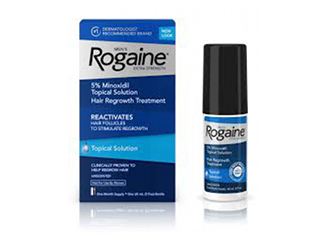
Minoxidil remains the gold standard for over-the-counter hair loss treatment in Canada. Available under brand names like Rogaine and generic formulations such as Kirkland, this topical treatment is approved by Health Canada for both men and women. Canadian pharmacies typically stock 2% and 5% concentrations, with the higher strength generally recommended for men.
Minoxidil comes in two primary formulations:
Canadian pharmacies also offer specialized hair growth shampoos containing ketoconazole or caffeine, biotin and iron supplements for nutritional support, and DHT-blocking topical treatments. These products work synergistically with primary treatments to optimize hair health.
Most over-the-counter treatments require 3-6 months of consistent use before visible results appear. It's important to consult with your Canadian pharmacist to ensure proper application techniques and to discuss potential interactions with other medications.
Prescription medications offer some of the most effective treatments for hair loss, requiring proper medical supervision and consultation with healthcare providers. In Canada, several prescription options are available through licensed pharmacies with valid prescriptions.
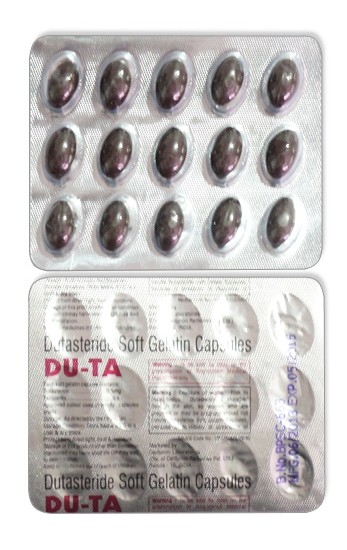
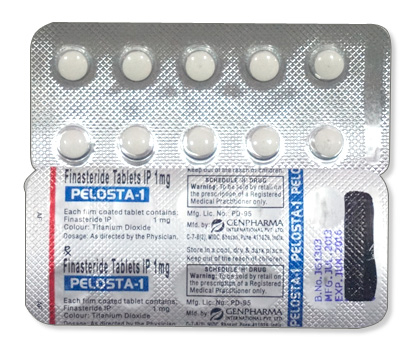
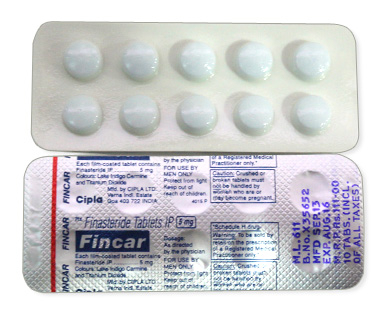
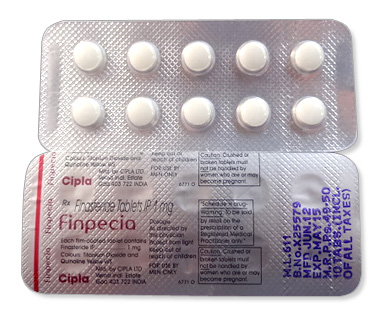
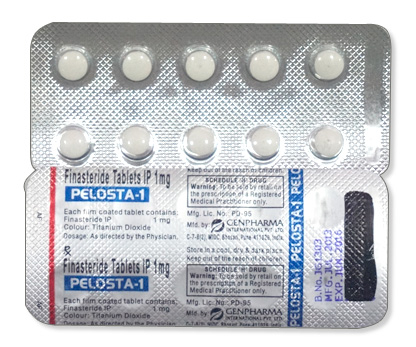
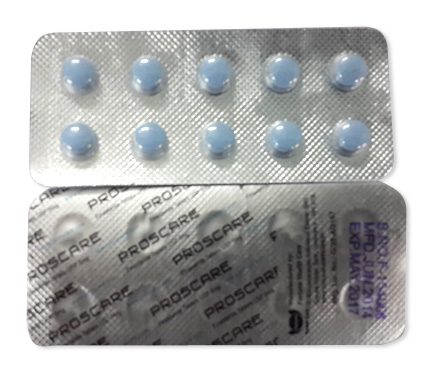
Finasteride (Propecia) remains the gold standard for treating male pattern baldness, working by blocking DHT production that causes hair follicle miniaturization. Dutasteride serves as an alternative treatment option, offering dual enzyme inhibition for potentially enhanced results in men who don't respond adequately to finasteride.
Spironolactone provides an effective solution for women experiencing androgenetic alopecia by blocking androgen receptors. Prescription-strength minoxidil formulations, available in concentrations higher than over-the-counter versions, offer enhanced efficacy for both men and women under medical guidance.
Before starting any prescription hair loss treatment, consultation with healthcare providers is essential to:
Insurance coverage for hair loss medications varies across Canadian provinces, with some treatments potentially covered under specific medical circumstances. Patients should verify coverage details with their provincial health plan and private insurance providers.
Women experience unique hair loss challenges requiring specialized approaches that address hormonal fluctuations, nutritional deficiencies, and life stage considerations. Female pattern baldness affects millions of Canadian women, often presenting differently than male hair loss patterns.
Menopause triggers significant hormonal changes that can accelerate hair thinning due to declining estrogen levels. Postpartum hair loss, while typically temporary, requires gentle management approaches that support natural recovery while maintaining scalp health during this transitional period.
Iron deficiency represents one of the most common reversible causes of hair loss in women, particularly affecting those with heavy menstrual cycles or dietary restrictions. Comprehensive blood work can identify nutritional factors contributing to hair thinning.
Specialized treatments for female pattern baldness include:
During pregnancy and breastfeeding, safe treatment options focus on gentle topical formulations and nutritional support, avoiding systemic medications that could affect maternal or infant health.
Nutritional supplements can play a crucial role in supporting healthy hair growth and addressing deficiencies that may contribute to hair loss. Many Canadians experience improved hair health through targeted supplementation, particularly when dietary intake alone isn't sufficient.
Biotin and B-complex vitamins are fundamental for hair follicle health and keratin production. These water-soluble vitamins support the hair growth cycle and can help strengthen brittle or thinning hair. Iron and zinc supplements are particularly important for individuals with documented deficiencies, as both minerals are essential for proper hair follicle function and growth.
Collagen peptides provide amino acids necessary for hair structure and strength, while saw palmetto extract may help block DHT production naturally. Multi-vitamin formulations specifically designed for hair health often combine these nutrients in optimal ratios. Omega-3 fatty acids from fish oil or algae sources can reduce scalp inflammation and support overall hair health.
Most hair growth supplements require 3-6 months of consistent use before visible improvements occur.
Choosing the right hair loss treatment requires careful consideration of individual factors and professional expertise. Canadian pharmacists are valuable resources for understanding over-the-counter options and identifying when prescription treatments may be necessary.
Pharmacists can help assess drug interactions, recommend appropriate dosages, and explain proper application techniques for topical treatments. They can also identify when symptoms warrant dermatologist referral, such as sudden hair loss, scalp irritation, or patchy hair loss patterns that may indicate underlying conditions.
Combining different treatment approaches often yields better results than single-product use. For example, pairing minoxidil with nutritional supplements or using gentle cleansing products alongside active treatments can enhance overall effectiveness.
Monitoring progress through photos and measurements helps track improvements and determine when treatment adjustments are needed. Setting realistic expectations is crucial, as most treatments require 3-6 months for noticeable results and ongoing use for maintenance. Long-term success often involves developing sustainable routines that fit individual lifestyles and budgets while maintaining consistent product use.