Diuretics, commonly known as "water pills," are medications that help your body eliminate excess water and salt through increased urine production. These medications work by targeting specific areas of the kidneys, particularly the nephrons, which are the functional units responsible for filtering blood and producing urine. By interfering with the normal reabsorption of sodium and chloride in different parts of the kidney tubules, diuretics effectively increase the amount of salt and water expelled from your body.
When diuretics affect kidney function, they alter the delicate balance of fluid retention and elimination that your body naturally maintains. Under normal circumstances, your kidneys reabsorb approximately 99% of the sodium filtered through them. Diuretics disrupt this process at various points along the nephron, preventing the reabsorption of sodium and the water that follows it. This mechanism helps reduce the overall volume of fluid in your bloodstream and tissues.
The removal of excess water and salt occurs through several pathways depending on the type of diuretic used. Some medications block sodium channels, others inhibit specific transport proteins, and certain types affect hormone receptors that regulate electrolyte balance. This reduction in fluid volume provides significant benefits for cardiovascular health by decreasing the workload on your heart and lowering blood pressure. Additionally, diuretics support kidney health by reducing fluid buildup that can strain these vital organs, making them particularly valuable in treating conditions like hypertension, heart failure, and edema.
Canadian pharmacies offer several categories of diuretics, each with distinct mechanisms of action and therapeutic applications. Understanding these different types helps ensure patients receive the most appropriate treatment for their specific health conditions.
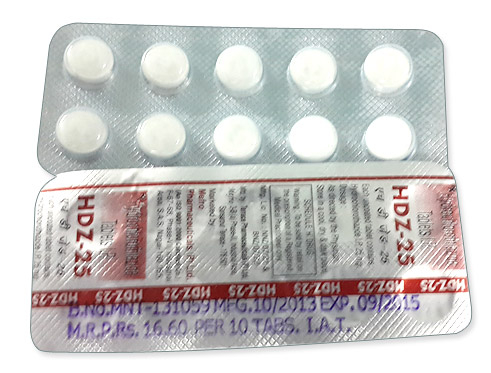
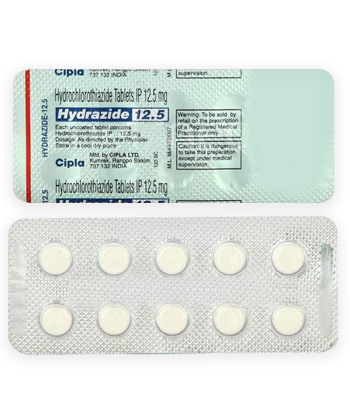
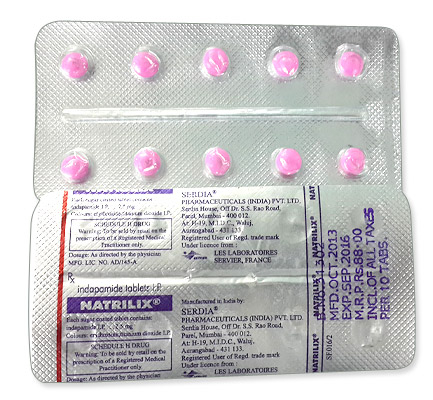
Thiazide and thiazide-like diuretics represent the most commonly prescribed class of water pills in Canada. These medications work primarily in the distal convoluted tubule of the kidney, blocking sodium and chloride reabsorption. The most frequently dispensed options include:
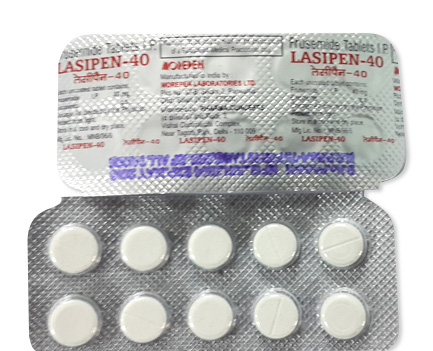
Loop diuretics are the most potent class of diuretics available, working in the loop of Henle within the kidney. These medications are typically reserved for patients with significant fluid retention or heart failure. Furosemide (Lasix) is the most commonly prescribed loop diuretic in Canada, available in both oral and injectable forms for hospital and outpatient use. Bumetanide serves as an alternative option, particularly useful for patients who may not respond adequately to furosemide or require a different dosing schedule.
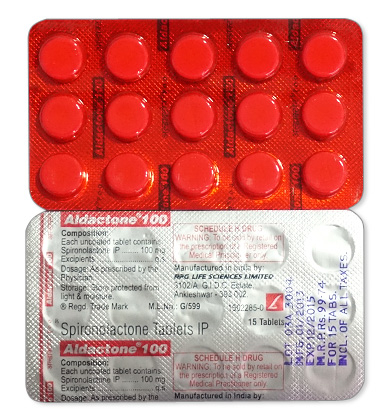
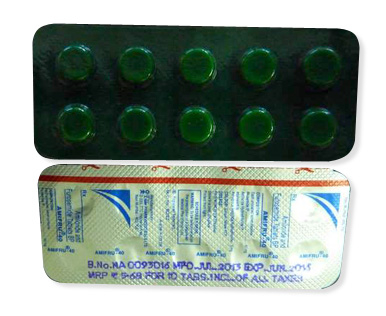
This specialized category helps remove excess fluid while preserving essential potassium levels in the body. Spironolactone works by blocking aldosterone receptors and is frequently used in treating heart failure and certain hormonal conditions. Amiloride provides an alternative mechanism by directly blocking sodium channels in the kidney's collecting duct. These medications are often combined with other diuretics to maintain proper electrolyte balance.
Many Canadian patients benefit from combination formulations that pair different types of diuretics or combine a diuretic with other cardiovascular medications. These combinations enhance therapeutic effectiveness while simplifying dosing schedules, improving patient adherence to treatment regimens.
Diuretics play a crucial role in managing several serious medical conditions by helping the body eliminate excess fluid and sodium. These medications are particularly effective in treating cardiovascular and kidney-related disorders that affect millions of Canadians.
Diuretics are often prescribed as first-line treatment for hypertension, helping to reduce blood volume and pressure on artery walls. By removing excess sodium and water from the body, these medications effectively lower both systolic and diastolic blood pressure readings.
For patients with heart failure, diuretics provide significant relief by reducing fluid buildup in the lungs and extremities. This helps the heart pump more efficiently and reduces symptoms such as shortness of breath and swelling.
Diuretics help manage edema associated with kidney dysfunction by promoting fluid elimination when the kidneys cannot effectively filter waste products. This treatment helps prevent dangerous fluid accumulation that can worsen kidney function.
Patients with liver cirrhosis or other hepatic conditions often experience ascites (abdominal fluid retention). Diuretics help manage this complication by reducing fluid accumulation and preventing associated complications such as infections or breathing difficulties.
Canadian pharmacies stock various diuretic medications, ranging from well-established brand names to cost-effective generic alternatives. Understanding the available options helps patients and healthcare providers make informed treatment decisions.
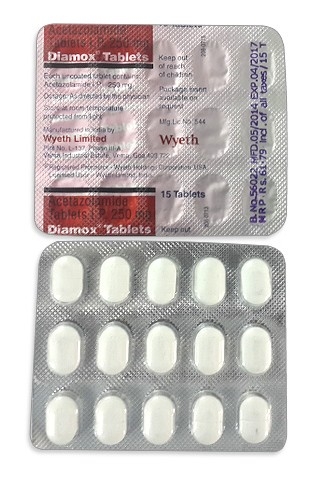
Several diuretic medications are widely prescribed across Canada, including hydrochlorothiazide (HCTZ), furosemide (Lasix), and spironolactone (Aldactone). These medications represent different classes of diuretics, each with specific mechanisms of action and clinical applications.
All diuretic medications require a valid prescription from a licensed healthcare provider in Canada. These medications are classified as prescription drugs due to their potential for serious side effects and the need for proper medical supervision during treatment.
Generic diuretics offer the same therapeutic benefits as brand-name versions at significantly lower costs. Health Canada ensures that generic medications meet identical quality and efficacy standards as their branded counterparts.
Many diuretics are available in combination with ACE inhibitors, ARBs, or other cardiovascular medications. These combination products improve patient compliance by reducing the number of daily medications required for comprehensive treatment.
Most patients taking diuretics experience mild side effects that often improve as your body adjusts to the medication. Common side effects include increased urination (especially during the first few weeks), mild dizziness when standing up, headaches, and occasional fatigue. These effects are typically temporary and manageable with proper dosing adjustments.
Seek immediate medical attention if you experience severe dehydration, persistent dizziness or fainting, irregular heartbeat, muscle cramps or weakness, confusion, or signs of kidney problems such as decreased urination or swelling. Electrolyte imbalances can be serious and require prompt medical evaluation.
Diuretics can interact with many medications including lithium, digoxin, blood pressure medications, and certain pain relievers. Regular monitoring through blood tests is essential to check kidney function, electrolyte levels (sodium, potassium, magnesium), and blood pressure. Your healthcare provider will determine the appropriate testing schedule based on your specific medication and health status.
Older adults may be more sensitive to diuretics and require closer monitoring for dehydration, falls due to dizziness, and electrolyte imbalances. Lower starting doses and more frequent medical check-ups are often recommended for seniors.
Take your diuretic as prescribed, typically in the morning to avoid nighttime urination that can disrupt sleep. If taking twice daily, take the second dose in early afternoon rather than evening. Consistency in timing helps maintain steady medication levels and optimal effectiveness.
Monitor your potassium intake based on your specific diuretic type. Some diuretics require increased potassium-rich foods, while others require restriction. Important dietary and lifestyle considerations include:
Contact your healthcare provider if you experience persistent side effects, signs of dehydration, weight gain of more than 2 pounds in one day, or any concerning symptoms. Store medications at room temperature, away from moisture and heat, and never share your prescription with others.