Diabetes is a chronic condition that occurs when your body cannot properly regulate blood sugar (glucose) levels. When you eat, your body breaks down carbohydrates into glucose, which enters your bloodstream. Normally, the hormone insulin helps cells absorb this glucose for energy. In diabetes, this process doesn't work effectively, leading to elevated blood sugar levels that can damage organs and tissues over time.
Type 1 diabetes is an autoimmune condition where the pancreas produces little to no insulin, typically diagnosed in childhood or adolescence. Type 2 diabetes, the most common form affecting over 90% of Canadians with diabetes, occurs when the body becomes resistant to insulin or doesn't produce enough. Pre-diabetes indicates blood sugar levels higher than normal but not yet diabetic, while gestational diabetes develops during pregnancy and usually resolves after delivery.
Common symptoms include frequent urination, excessive thirst, unexplained weight loss, fatigue, and blurred vision. Risk factors encompass family history, age over 40, obesity, sedentary lifestyle, and certain ethnicities. Prevention strategies focus on maintaining a healthy weight, regular physical activity, and balanced nutrition.
Regular blood glucose monitoring is essential for effective diabetes management, helping you understand how food, exercise, medication, and stress affect your blood sugar levels. This information enables you and your healthcare team to make informed decisions about treatment adjustments and lifestyle modifications.
Traditional glucose meters remain the most common monitoring method, requiring a small blood sample obtained through finger pricking. Continuous glucose monitoring (CGM) systems provide real-time glucose readings through a sensor worn on the skin, offering trends and alerts without frequent finger pricks. Many CGM devices are covered by provincial health plans or private insurance for qualifying patients.
Essential supplies include blood glucose test strips specific to your meter, lancets for blood sampling, and alcohol swabs for cleaning. Target blood sugar ranges typically include:
Testing frequency varies by individual needs, but generally includes before meals, before bedtime, and when experiencing symptoms of high or low blood sugar.
Managing diabetes effectively requires the right medications, and Canadians have access to a comprehensive range of diabetes treatments through our healthcare system. Whether you're newly diagnosed or adjusting your current treatment plan, understanding your medication options is essential for optimal blood glucose control.
Insulin therapy is cornerstone treatment for Type 1 diabetes and often necessary for Type 2 diabetes management. In Canada, healthcare providers prescribe different insulin types based on onset, peak action, and duration:
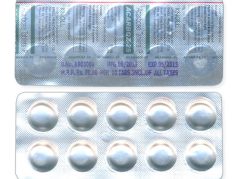
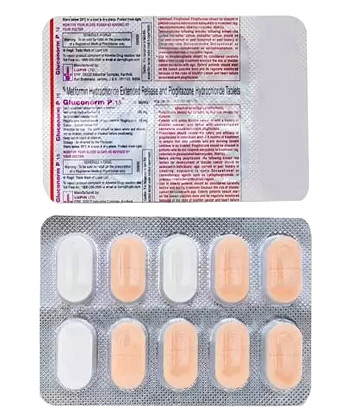
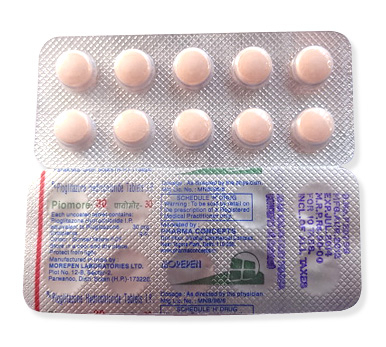
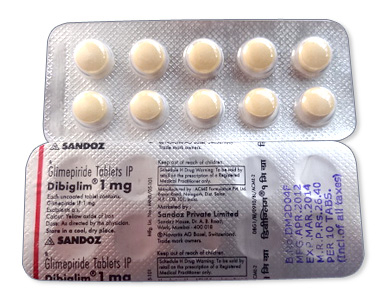
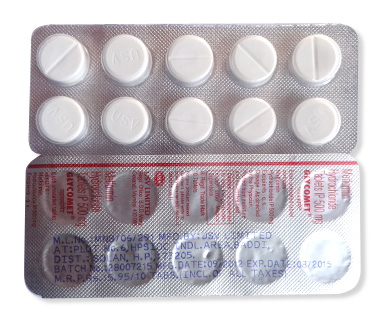
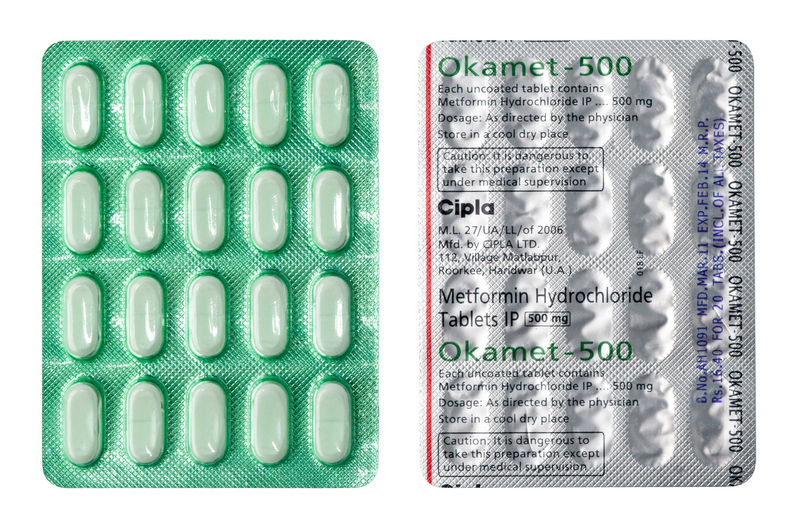
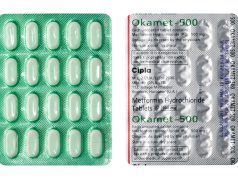
For many Canadians with Type 2 diabetes, oral medications serve as first-line treatment. Metformin remains the most commonly prescribed initial medication due to its proven effectiveness in reducing blood glucose levels while supporting weight management and cardiovascular health. This medication works by decreasing glucose production in the liver and improving insulin sensitivity.
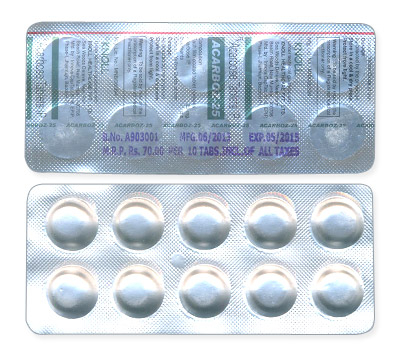
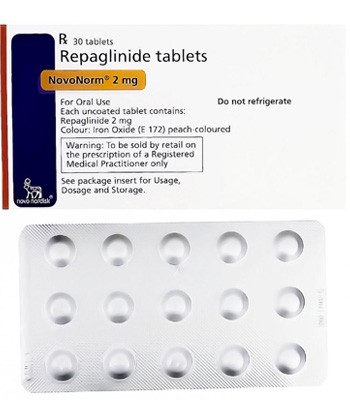
Newer medication classes have expanded treatment options significantly. SGLT2 inhibitors help the kidneys remove excess glucose through urine while providing additional cardiovascular and kidney protection benefits. GLP-1 receptor agonists stimulate insulin production when blood sugar is elevated and slow digestion, often resulting in weight loss alongside improved glucose control.
All diabetes medications in Canada require a valid prescription from a licensed healthcare provider. Most provincial drug plans and private insurance providers offer coverage for diabetes medications, though specific formularies and co-payment requirements vary by province and insurer. Generic alternatives are often available for many brand-name medications, providing cost-effective treatment options while maintaining therapeutic effectiveness.
Proper insulin delivery requires the right tools and techniques to ensure accurate dosing and minimize discomfort. Canadian pharmacies stock a complete range of delivery systems and supplies to meet diverse patient needs and preferences.
Insulin pens have become the preferred delivery method for most Canadians using insulin therapy. These devices offer precise dosing, portability, and ease of use compared to traditional methods. Pen needles are available in various lengths and gauges to accommodate different injection preferences and body types. For those requiring traditional methods, insulin syringes and vials remain widely available and cost-effective.
Insulin pump therapy represents the most advanced delivery option, providing continuous subcutaneous insulin infusion with programmable basal rates and bolus dosing. Pump supplies, including infusion sets, reservoirs, and insertion devices, are essential components requiring regular replacement every 2-3 days.
Successful diabetes management extends beyond medication selection to proper injection technique and supply management. Key considerations include:
Proper insulin storage is particularly important in Canada's varying climate conditions. Insulin should never freeze or be exposed to extreme heat, and travel cases with cooling elements help maintain stability during transportation. Regular monitoring of expiration dates ensures medication potency and safety.
Managing blood pressure is crucial for individuals with diabetes, as they face an increased risk of cardiovascular complications. Digital blood pressure monitors designed for home use provide accurate readings and help track patterns over time. Look for monitors validated by Health Canada and featuring memory storage to share readings with your healthcare provider during appointments.
People with diabetes require specialized wound care products due to slower healing processes and increased infection risk. Our selection includes sterile gauze, antiseptic solutions, hydrocolloid dressings, and medical tape designed for sensitive skin. These products promote proper healing while minimizing complications.
Diabetic socks are specially designed to promote circulation and reduce foot complications. Features include seamless construction, moisture-wicking materials, cushioned soles, and non-binding tops. Compression socks help improve blood flow in the legs and feet, reducing swelling and supporting overall vascular health.
Medical identification is essential for diabetics, particularly those using insulin or prone to hypoglycemic episodes. Medical alert bracelets and pendants provide critical health information to first responders and medical personnel during emergencies, ensuring appropriate and timely treatment.
Proper storage and transport of diabetes medications, especially insulin, requires specialized cases and cooling systems. Insulated travel cases, gel cooling packs, and temperature monitoring devices ensure medications remain effective during travel and daily activities, meeting Transport Canada guidelines for medical supplies.
Quick-acting glucose tablets and emergency supplies are essential for managing hypoglycemic episodes. Keep fast-acting carbohydrates readily available in various locations including your home, workplace, and vehicle. Emergency kits should also include glucagon injections for severe low blood sugar incidents.
Modern diabetes management incorporates digital tools and traditional logbooks to track blood glucose levels, medication schedules, meals, and exercise. Many apps sync with glucose metres and provide valuable data analysis to share with healthcare providers, supporting comprehensive diabetes care planning.
Proper foot care is fundamental for preventing serious diabetic complications. Essential supplies include gentle cleansing products, antifungal powders, toe separators, and protective padding. Regular foot care reduces the risk of ulcers, infections, and other complications that could lead to more serious health issues.
Diabetic skin requires specialized care due to increased dryness and reduced healing capacity. Urea-based moisturizers, diabetic foot creams, and barrier protection products help maintain skin integrity and prevent cracking or breakdown that could lead to infections.
Safe nail care is crucial for diabetics who may have reduced sensation or circulation in their feet. Specialized nail clippers with magnifying features, emery boards, and cuticle care tools designed for sensitive skin help maintain proper nail health while minimizing injury risk.
Early recognition of foot problems can prevent serious complications. Watch for changes in skin colour, temperature variations, swelling, persistent pain, cuts or sores that heal slowly, ingrown toenails, and any signs of infection such as redness or discharge. Regular monitoring is essential for maintaining foot health.
Immediate medical attention is required for open wounds, signs of infection, sudden changes in foot sensation, persistent pain, or any injury that doesn't heal within a few days. Contact your healthcare provider or visit a foot care specialist promptly to prevent complications from progressing.
Establish a comprehensive daily foot inspection routine to identify potential problems early:
Appropriate footwear is essential for diabetic foot health. Choose shoes with adequate toe room, breathable materials, cushioned soles, and secure but not tight fitting. Avoid pointed toes, high heels, or shoes with rough interior seams. Consider custom orthotic inserts for additional support and pressure distribution.
Prevention strategies include maintaining good blood glucose control, keeping feet clean and dry, wearing appropriate socks and shoes, avoiding walking barefoot, and addressing minor issues promptly before they become serious complications. Regular professional foot care and following prescribed treatment plans are essential components of prevention.