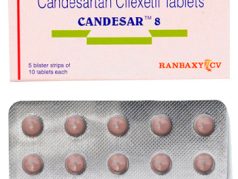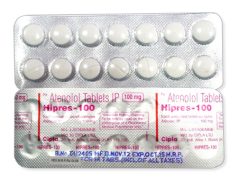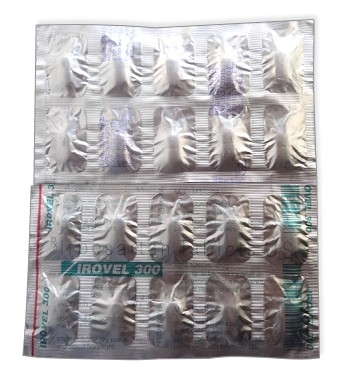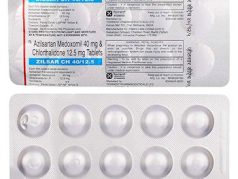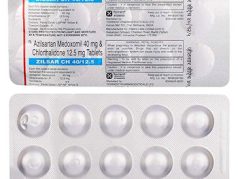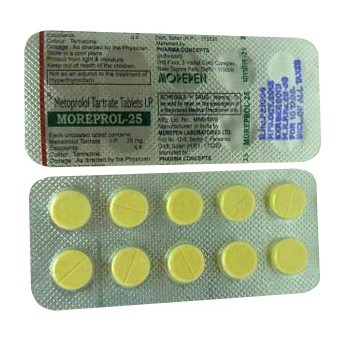
Blood pressure measures the force of blood against your artery walls as your heart pumps. It's recorded as two numbers: systolic pressure (when your heart beats) over diastolic pressure (when your heart rests between beats). Your cardiovascular system relies on this pressure to deliver oxygen and nutrients throughout your body.
Normal blood pressure readings are typically below 120/80 mmHg, while high blood pressure (hypertension) is diagnosed when readings consistently exceed 140/90 mmHg. Several risk factors contribute to elevated blood pressure, including age, family history, obesity, sedentary lifestyle, excessive sodium intake, stress, and certain medical conditions like diabetes.
High blood pressure often presents no obvious symptoms, earning it the nickname "silent killer." However, some individuals may experience headaches, shortness of breath, dizziness, or chest pain. Left untreated, hypertension can lead to serious health complications including heart disease, stroke, kidney damage, vision problems, and increased risk of heart attack.
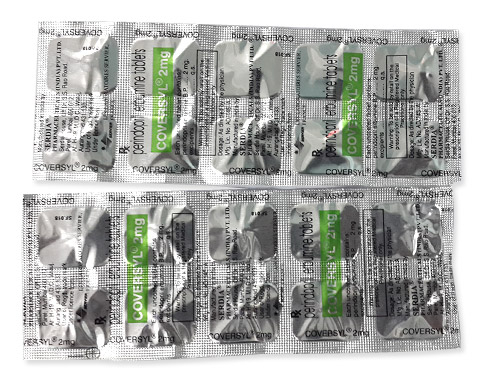
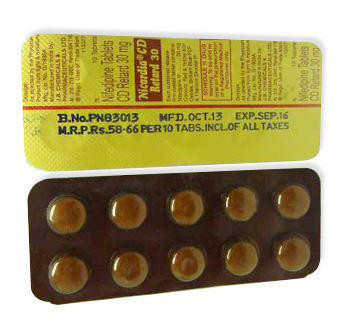
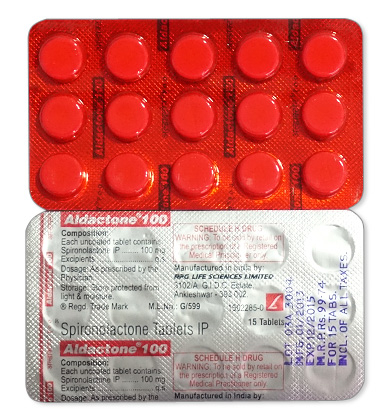
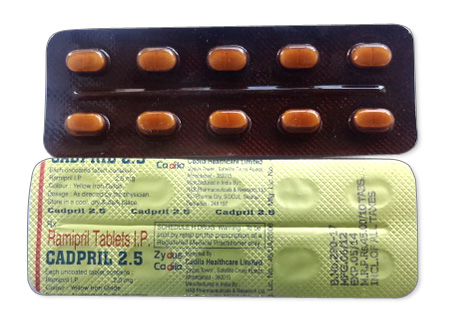
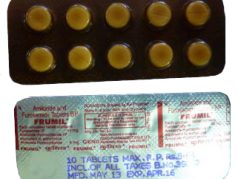
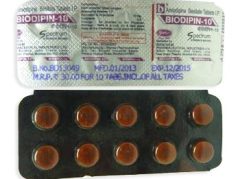
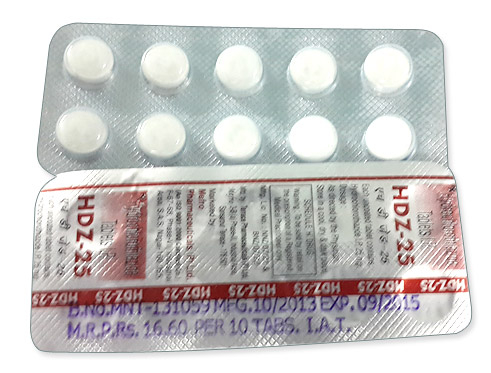
Canadian pharmacies offer several classes of blood pressure medications, each working through different mechanisms to help manage hypertension effectively. Your healthcare provider will determine the most suitable option based on your individual health profile and blood pressure readings.
Many Canadian pharmacies also stock combination medications that combine two or more of these drug classes in a single tablet, improving convenience and medication adherence for patients requiring multiple blood pressure treatments.
Different blood pressure medications work through various mechanisms to lower your blood pressure. ACE inhibitors and ARBs relax blood vessels by blocking hormones that cause vessel constriction. Diuretics help your kidneys remove excess sodium and water, reducing blood volume. Beta-blockers slow your heart rate and reduce the force of heart contractions. Calcium channel blockers prevent calcium from entering heart and blood vessel cells, causing vessels to relax.
Most blood pressure medications begin showing effects within hours to days, but full benefits typically take 2-4 weeks to develop. Diuretics may show effects within days, while ACE inhibitors and ARBs often require several weeks for maximum effectiveness. Factors affecting medication effectiveness include:
Common side effects may include dizziness, fatigue, or mild swelling. Contact your healthcare provider immediately if you experience severe dizziness, chest pain, difficulty breathing, or persistent cough.
Canadian healthcare providers evaluate multiple factors when selecting blood pressure medications, including your current blood pressure readings, cardiovascular risk factors, kidney function, and existing medical conditions. Your doctor will also consider potential drug interactions with current medications and your personal medical history to determine the safest and most effective treatment approach.
Treatment selection varies based on age groups, with different medications preferred for younger versus older adults. Lifestyle factors such as physical activity, diet, alcohol consumption, and stress levels influence medication choice. Conditions like diabetes, kidney disease, or heart problems require specific medication types that provide additional protective benefits.
Generic medications offer the same effectiveness as brand names at lower costs. Most provincial health plans and private insurance in Canada provide coverage for generic blood pressure medications. Your pharmacist can discuss available options and help coordinate with your provincial drug plan to maximize coverage and minimize out-of-pocket expenses.
Effective blood pressure management extends far beyond taking prescribed medications. Incorporating healthy lifestyle changes can significantly enhance the effectiveness of your treatment plan and may even reduce your reliance on medication over time. These modifications work synergistically with your prescribed treatments to help you achieve optimal blood pressure control and improve your overall cardiovascular health.
A heart-healthy diet plays a crucial role in managing blood pressure. The DASH (Dietary Approaches to Stop Hypertension) eating plan is widely recommended by Canadian health professionals. Focus on consuming plenty of fruits, vegetables, whole grains, lean proteins, and low-fat dairy products while limiting sodium intake to less than 2,300 mg per day. Regular physical activity is equally important – aim for at least 150 minutes of moderate-intensity aerobic exercise weekly, as recommended by the Heart and Stroke Foundation of Canada.
Home blood pressure monitoring is an excellent way to track your progress and ensure your treatment plan is working effectively. Choose a validated blood pressure monitor that fits properly on your upper arm, and take readings at the same time each day for consistency. Keep a log of your readings to share with your healthcare provider during appointments. This information helps your pharmacist and doctor make informed decisions about your treatment plan.
Timing is important when monitoring your blood pressure at home. Take readings before taking your morning medication, and consider checking again in the evening. Avoid measuring immediately after exercise, caffeine consumption, or stressful situations, as these can temporarily elevate your readings. If you're starting a new medication or adjusting dosages, more frequent monitoring may be recommended by your healthcare provider.
Your pharmacist and doctor are valuable partners in your blood pressure management journey. Regular communication ensures your treatment plan remains effective and appropriate for your needs. Don't hesitate to ask questions about your medications, report any side effects, or discuss concerns about your blood pressure readings. Many Canadian pharmacies offer blood pressure monitoring services and medication reviews to support your care.
Blood pressure medications can interact with other prescription drugs, over-the-counter medications, and natural health products. Common interactions include NSAIDs (like ibuprofen), which can reduce the effectiveness of blood pressure medications, and certain decongestants that may raise blood pressure. Always inform your pharmacist about all medications and supplements you're taking to avoid potentially harmful interactions.
If you're pregnant or planning to become pregnant, it's essential to discuss your blood pressure medications with your healthcare provider immediately. Some blood pressure medications are not safe during pregnancy and may need to be changed. Never stop taking your medication without medical supervision, as uncontrolled high blood pressure during pregnancy can be dangerous for both mother and baby.
When travelling, always pack extra medication in your carry-on luggage and keep medications in their original pharmacy containers with proper labels. Bring a letter from your doctor or pharmacist listing your medications, especially when travelling internationally. Research the generic names of your medications, as brand names may differ in other countries.
Proper storage ensures your blood pressure medications remain effective throughout their shelf life. Most blood pressure medications should be stored at room temperature, away from heat, moisture, and direct sunlight. Avoid storing medications in bathrooms or cars where temperature and humidity fluctuate. Check expiration dates regularly and dispose of expired medications safely through pharmacy take-back programs available across Canada.
If you miss a dose of your blood pressure medication, take it as soon as you remember, unless it's almost time for your next scheduled dose. Never double up on doses to make up for a missed one. Consider setting daily reminders on your phone or using a pill organizer to help maintain consistency. Speak with your pharmacist about strategies to improve medication adherence if you frequently forget doses.
Certain situations require immediate medical attention when you're taking blood pressure medications. Seek emergency care if you experience:
In Canada, call 911 immediately for any of these emergency situations. Having your medication list readily available can help emergency responders provide appropriate care.