Hormonal birth control methods work by regulating hormones to prevent ovulation and alter the uterine lining. These methods are highly effective when used correctly and are available through prescription from healthcare providers across Canada.
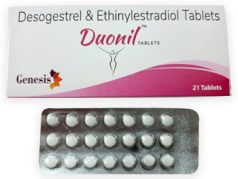
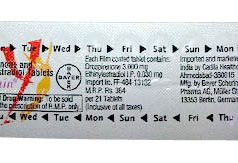
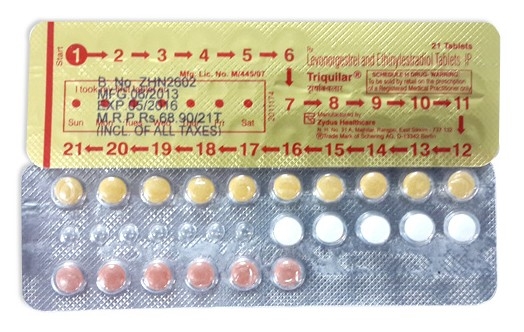
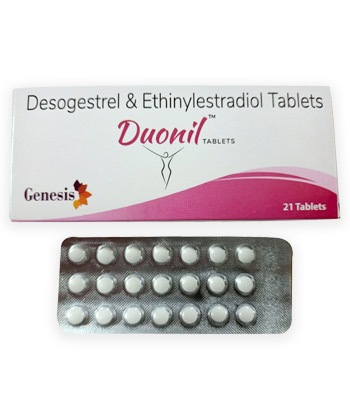
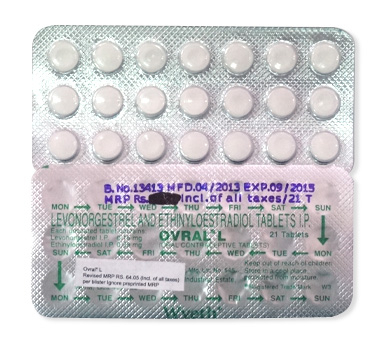
These daily pills contain both estrogen and progestin hormones. They're over 99% effective when taken consistently at the same time each day. Popular brands available in Canada include various formulations that may help regulate menstrual cycles and reduce acne.
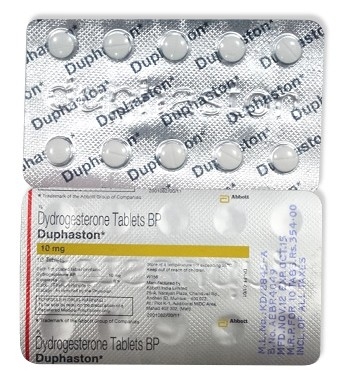
Ideal for women who cannot take estrogen, these pills contain only progestin. They're particularly suitable for breastfeeding mothers and women with certain health conditions.
Several convenient alternatives to daily pills are available:
Non-hormonal contraceptives offer effective pregnancy prevention without affecting natural hormone levels. These methods are ideal for women who prefer hormone-free options or have medical conditions that make hormonal contraceptives unsuitable.
The copper IUD is a highly effective, long-term contraceptive that can prevent pregnancy for up to 10 years. It's inserted by a healthcare provider and can be removed at any time when pregnancy is desired.
These methods physically prevent sperm from reaching the egg:
Spermicides can be used alone or with barrier methods to increase effectiveness. Natural family planning involves tracking fertility signs, while emergency contraception provides backup protection when other methods fail or aren't used.
Canadian pharmacies offer a comprehensive selection of trusted birth control brands to meet diverse reproductive health needs. Understanding your options helps you make informed decisions about contraception with your healthcare provider.
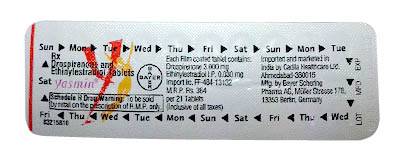
Traditional combination pills remain highly popular choices among Canadian women. Alesse provides low-dose hormone protection, while Yasmin offers additional benefits for those experiencing water retention. Ortho Tri-Cyclen delivers triphasic hormone delivery, and Marvelon provides consistent monophasic dosing. Diane-35 serves dual purposes for contraception and acne management.
For women seeking fewer menstrual cycles, extended cycle pills like Seasonale and Seasonique allow for quarterly periods. Progestin-only options including Micronor pills and Depo-Provera injections provide excellent alternatives for those who cannot take estrogen-containing contraceptives.
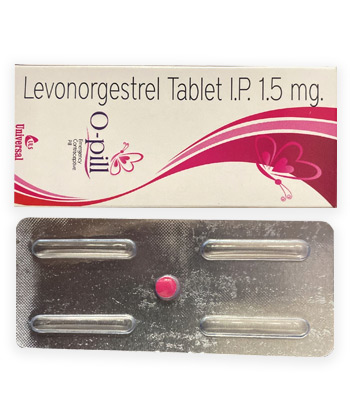
Intrauterine devices offer years of protection, with Mirena providing five-year coverage, while Jaydess and Skyla offer three-year options. The Copper T provides hormone-free protection for up to ten years. Emergency contraception remains accessible through Plan B and ella, providing crucial backup protection when needed.
Different contraceptive methods employ various mechanisms to prevent pregnancy, offering multiple layers of protection depending on the chosen method. Understanding these mechanisms helps users appreciate how their chosen contraception provides reliable pregnancy prevention.
Most hormonal contraceptives work through several complementary actions:
Contraceptive effectiveness varies significantly by method and usage consistency. Birth control pills achieve over 99% effectiveness with perfect use, while typical use shows 91% effectiveness. IUDs maintain over 99% effectiveness regardless of user behaviour. Barrier methods like condoms show 98% effectiveness with perfect use but 85% with typical use. Following proper usage guidelines, including consistent timing for pills and correct application for barriers, maximizes contraceptive effectiveness and provides optimal pregnancy prevention.
Selecting the most suitable birth control method requires careful consideration of your individual circumstances. Your lifestyle plays a crucial role in determining which option will work best for you. Consider your daily routine, travel schedule, and ability to remember daily medications. Health conditions such as high blood pressure, diabetes, blood clots, or migraines may influence which methods are safe and appropriate. Age is another important factor, as hormonal needs and reproductive goals change throughout different life stages.
Speaking with a qualified healthcare provider is essential when choosing birth control. Canadian physicians, nurse practitioners, and pharmacists can provide personalized recommendations based on your medical history and individual needs. They can explain the benefits and risks of each method, answer your questions, and help you make an informed decision. Many healthcare providers offer confidential consultations specifically for reproductive health discussions.
Each birth control method comes with potential side effects and specific contraindications. Hormonal methods may cause changes in menstrual cycles, mood fluctuations, or weight changes. Some methods are not suitable for individuals with certain medical conditions. Your healthcare provider will review your medical history to identify any contraindications and discuss potential side effects so you can weigh the benefits against possible risks.
Consider whether you want a temporary or permanent birth control solution. Most methods are reversible, allowing you to restore fertility when you're ready to conceive. However, some methods like sterilization are intended to be permanent. Long-acting reversible contraceptives (LARCs) such as IUDs can be removed when desired, while barrier methods and hormonal options can be stopped at any time with fertility typically returning quickly.
Birth control costs vary significantly depending on the method chosen and your insurance coverage. Consider both upfront costs and long-term expenses when making your decision. Some methods require higher initial investments but prove more cost-effective over time. Review your provincial health coverage and private insurance benefits to understand what's covered and what out-of-pocket expenses you may incur.
It's common to switch birth control methods as your needs change over time. Work with your healthcare provider to plan transitions between methods safely and effectively. They can advise on timing, potential interactions, and how to maintain continuous protection during the switch. Keep track of how different methods affect you to help inform future decisions.
In Canada, most hormonal birth control methods require a prescription from a licensed healthcare provider. This includes birth control pills, patches, rings, injections, and hormonal IUDs. Barrier methods like condoms and spermicides are available over-the-counter at pharmacies and retail stores. Some provinces have expanded prescribing authority to pharmacists for certain birth control methods, making access more convenient.
Canadian law generally allows minors to access birth control without parental consent if they're deemed mature enough to understand the implications of their decisions. The specific age varies by province, but most recognize that adolescents have the right to confidential reproductive healthcare. Healthcare providers assess each situation individually, considering the young person's maturity level and understanding of the treatment.
Birth control coverage varies across Canadian provinces and territories. Some provinces provide comprehensive coverage for prescription contraceptives, while others offer limited or no coverage. Coverage may depend on age, income level, or specific medical indications. Check with your provincial health authority or pharmacy to understand what's covered in your area and explore additional coverage options through private insurance or employer benefits.
Canadian pharmacies offer various services related to birth control access and management. Many pharmacists provide consultations about different methods, proper usage, and potential interactions with other medications. Some provinces allow pharmacists to prescribe certain hormonal contraceptives directly. Pharmacies also offer:
Several legitimate online healthcare platforms operate in Canada, providing virtual consultations for birth control prescriptions. These services must comply with Canadian regulations and involve licensed healthcare providers. Online options can be particularly helpful for those in remote areas or with limited access to healthcare providers. Ensure any online service you use is properly licensed and follows Canadian healthcare standards.
Healthcare providers in Canada are bound by strict privacy and confidentiality laws regarding reproductive healthcare. Your birth control choices and related medical information are protected under provincial privacy legislation. Pharmacies also maintain confidential records and can arrange discrete dispensing if requested. You have the right to control who has access to your reproductive health information.
Some birth control methods require ongoing medical monitoring to ensure safety and effectiveness. Hormonal methods may necessitate regular blood pressure checks, weight monitoring, and periodic reviews of your medical history. IUD users typically need follow-up appointments to check placement and address any concerns. Your healthcare provider will establish an appropriate monitoring schedule based on your chosen method and individual risk factors.