Parasitic infections occur when organisms such as worms, protozoa, or other parasites invade the human body and begin to multiply. These unwelcome guests can affect various body systems, most commonly the digestive tract, but also the blood, tissues, and organs. In Canada, parasitic infections remain a significant health concern, particularly affecting travellers, immunocompromised individuals, and those in close-contact environments.
The most frequently encountered parasites in Canada include several distinct categories. Intestinal worms such as pinworms, roundworms, hookworms, and tapeworms are particularly common, especially among children and in institutional settings. Protozoan parasites like Giardia lamblia and Cryptosporidium can cause severe gastrointestinal symptoms and are often contracted through contaminated water sources. Ectoparasites, including lice and scabies mites, affect the skin and are highly contagious through direct contact.
Several risk factors increase the likelihood of parasitic infections. These include poor sanitation, contaminated food or water consumption, international travel to endemic areas, close contact with infected individuals, and compromised immune systems. Transmission methods vary by parasite type but commonly involve ingesting contaminated food or water, skin-to-skin contact, or exposure to infected soil.
Recognizing parasitic infections can be challenging as symptoms often mimic other conditions. Common signs include:
Proper medical diagnosis is essential before beginning any antiparasitic treatment. Healthcare professionals can perform specific tests such as stool samples, blood tests, or tape tests to accurately identify the type of parasite present. This ensures the most effective treatment approach and prevents unnecessary medication use.
Canadians should consult healthcare professionals immediately if they experience persistent symptoms, have recently travelled internationally, or suspect exposure to parasites. Early intervention leads to more effective treatment outcomes and prevents potential complications or transmission to family members and close contacts.
Treating intestinal parasitic infections requires targeted medications that effectively eliminate specific types of parasites while minimizing side effects. The choice of antiparasitic medication depends on the identified parasite, severity of infection, patient age, and overall health status. Most treatments are highly effective when used correctly under medical supervision.
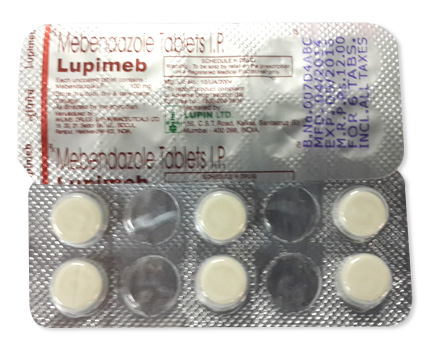
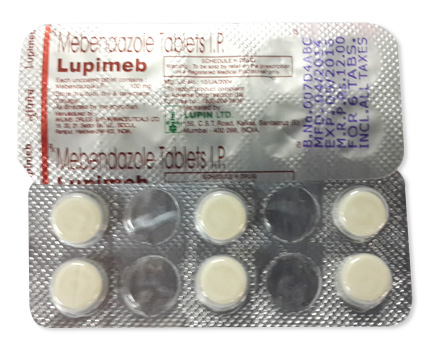
Mebendazole is a broad-spectrum antiparasitic medication widely used in Canada for treating various intestinal worm infections. This medication works by preventing parasites from absorbing glucose, ultimately leading to their elimination from the body. It's particularly effective against roundworms, hookworms, and whipworms, making it a first-line treatment option for these common infections.
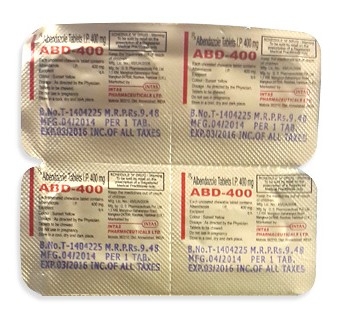
Albendazole offers comprehensive treatment for multiple types of intestinal worm infections, including those caused by tapeworms, roundworms, and other parasitic worms. This medication disrupts the parasite's cellular structure and metabolism, effectively eliminating the infection. Healthcare providers often prefer albendazole for its broad-spectrum activity and proven effectiveness against resistant parasite strains.
Pyrantel pamoate serves as an excellent treatment option for pinworm and roundworm infections, particularly in pediatric patients. This medication paralyzes the parasites, allowing the body to naturally eliminate them through normal bowel movements. Its safety profile and effectiveness make it a preferred choice for treating common childhood parasitic infections in Canadian households.
Anti-protozoal medications are essential treatments for combating infections caused by single-celled parasites. These medications target specific protozoal organisms that can cause serious gastrointestinal and systemic infections in Canadians, particularly those who travel internationally or have compromised immune systems.
Metronidazole stands as the gold standard treatment for giardiasis and various other protozoal infections. This medication effectively eliminates Giardia lamblia, the parasite responsible for beaver fever, a common waterborne illness in Canada's wilderness areas. Additionally, metronidazole treats amoebiasis, trichomoniasis, and certain anaerobic bacterial infections.
Tinidazole serves as an excellent alternative treatment option, offering similar efficacy to metronidazole with potentially fewer gastrointestinal side effects. This medication is particularly useful for patients who cannot tolerate metronidazole or require a shorter treatment duration.
Nitazoxanide provides specialized treatment for cryptosporidiosis and giardiasis, especially in immunocompromised patients. This broad-spectrum antiparasitic medication offers unique benefits for treating resistant infections.
Dosage considerations vary significantly based on the specific infection, patient weight, and treatment duration. Most protozoal infections require 5-10 day treatment courses with careful monitoring for side effects.
Special precautions apply across different age groups:
Antimalarial medications provide crucial protection for Canadian travellers visiting malaria-endemic regions. These medications serve dual purposes: preventing infection before exposure and treating active malaria infections upon return to Canada.
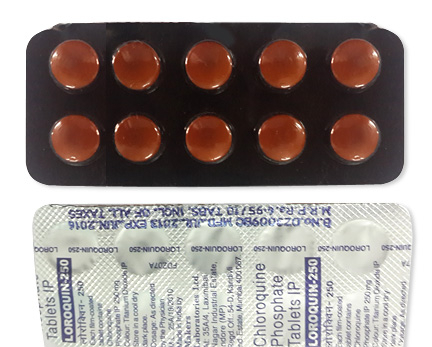
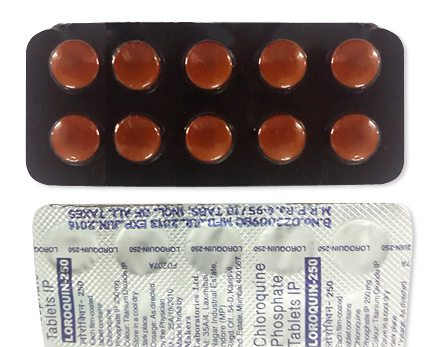
Chloroquine remains effective for travellers visiting malaria-sensitive regions with confirmed chloroquine-susceptible strains. However, its use has become limited due to widespread resistance in many endemic areas.
Doxycycline offers versatile malaria prevention and treatment, particularly suitable for travellers visiting regions with chloroquine-resistant malaria. This antibiotic provides additional benefits by preventing other travel-related infections.
Atovaquone-proguanil combination therapy represents the preferred choice for many Canadian travellers. This combination offers excellent efficacy with minimal side effects and convenient dosing schedules for both prevention and treatment.
Mefloquine serves specific geographic regions where other antimalarials prove ineffective. Travel medicine specialists recommend mefloquine for certain African destinations, though careful screening for contraindications is essential due to potential neuropsychiatric side effects.
Canadian travel health clinics provide personalized antimalarial recommendations based on destination-specific resistance patterns, travel duration, and individual patient factors.
Topical antiparasitic medications provide effective treatment for external parasites such as scabies mites, head lice, and pubic lice. These treatments are applied directly to the affected skin areas and offer a targeted approach to eliminating parasites while minimizing systemic exposure.
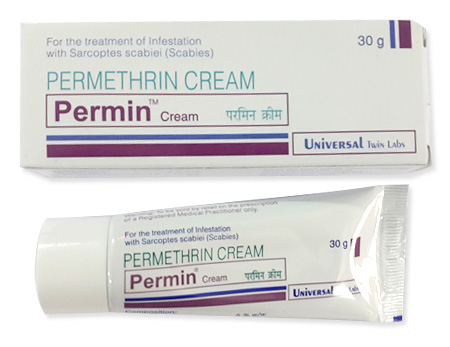
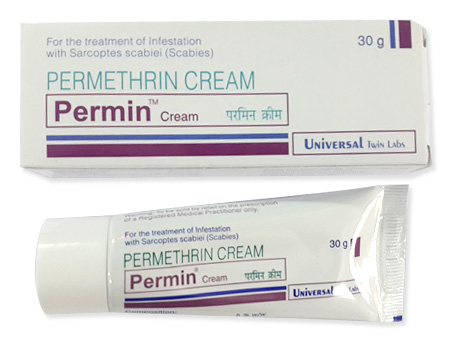
Permethrin 5% cream is considered the first-line treatment for scabies in Canada. This synthetic pyrethroid works by disrupting the nervous system of parasites, leading to paralysis and death. For scabies treatment, the cream should be applied from the neck down to the entire body, including between fingers and toes, and left on for 8-14 hours before washing off. For head lice, permethrin 1% lotion is applied to clean, towel-dried hair and scalp, then rinsed after 10 minutes.
Lindane is a second-line treatment option available in Canada for scabies and lice when other treatments have failed. Due to potential neurotoxicity concerns, lindane requires careful application and is contraindicated in infants, pregnant women, and individuals with extensive skin conditions. Treatment should be limited to a single application, and patients must follow strict application guidelines to ensure safety.
Successful topical antiparasitic treatment requires proper application techniques. Patients should apply medications to clean, dry skin, ensuring complete coverage of affected areas. Treatment of household members and close contacts is often necessary to prevent reinfection, particularly with scabies and head lice infestations.
Safe use of antiparasitic medications requires understanding potential side effects, contraindications, and special population considerations. Proper monitoring and follow-up care ensure treatment effectiveness while minimizing adverse reactions.
Antiparasitic medications may cause various side effects depending on the specific treatment. Common reactions include:
Pregnant and breastfeeding women require careful medication selection, with permethrin generally considered safe during pregnancy. Pediatric patients need adjusted dosing based on age and weight, with some medications contraindicated in young children. Follow-up care typically involves reassessment 2-4 weeks post-treatment to ensure parasite elimination and prevent reinfection through proper hygiene measures and environmental cleaning.