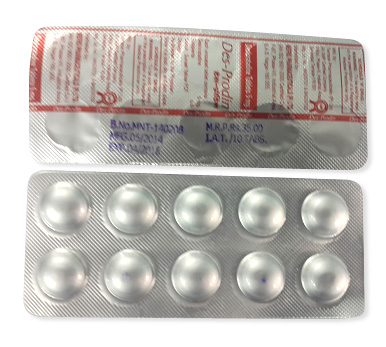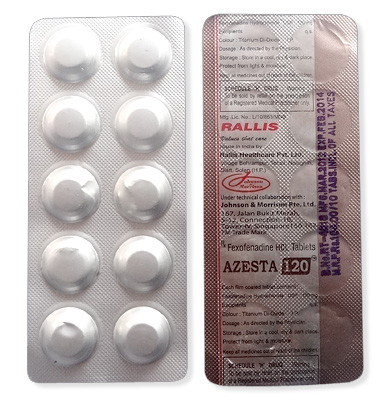
Allergic reactions occur when your immune system overreacts to substances that are typically harmless to most people. These substances, known as allergens, trigger the release of chemicals like histamine, which cause the uncomfortable symptoms associated with allergies. In Canada's diverse climate and environment, residents encounter numerous allergens throughout the year that can provoke these responses.
Common allergens found in the Canadian environment include seasonal pollen from trees, grasses, and weeds, particularly during spring and summer months. Ragweed pollen is especially problematic across many provinces from August through October. Year-round allergens include dust mites, pet dander, mould spores, and certain foods. Environmental factors such as cold air, pollution in urban centres like Toronto and Vancouver, and indoor heating systems can also contribute to allergic sensitivities.
Mild to moderate allergic reactions typically present with recognizable symptoms that can significantly impact daily life. These may include sneezing, runny or stuffy nose, itchy and watery eyes, skin rashes or hives, and mild swelling. Some individuals may experience scratchy throat, coughing, or general fatigue. While these symptoms are generally not life-threatening, they can cause considerable discomfort and affect work, school, and recreational activities.
Antihistamines function by blocking histamine receptors in your body, preventing histamine from attaching to these sites and triggering allergic symptoms. When an allergen enters your system, mast cells release histamine as part of the immune response. Antihistamines compete with histamine for receptor binding sites, effectively reducing or preventing the cascade of reactions that lead to allergy symptoms.
There are two main types of histamine receptors that antihistamines target. H1 receptors are primarily responsible for typical allergy symptoms like itching, sneezing, and runny nose, and are found in the nose, eyes, and skin. H2 receptors are mainly located in the stomach and are involved in acid production. Most over-the-counter antiallergic medications target H1 receptors specifically.
The timeline of antihistamine effectiveness varies depending on the specific medication and individual factors. Most antihistamines begin working within 30 minutes to 2 hours after administration, with peak effectiveness typically occurring between 1-3 hours. The duration of action ranges from 4-6 hours for shorter-acting formulations to 12-24 hours for extended-release versions.
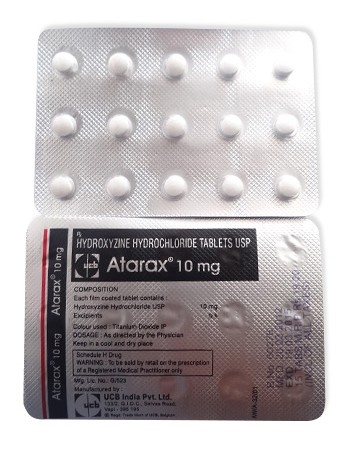
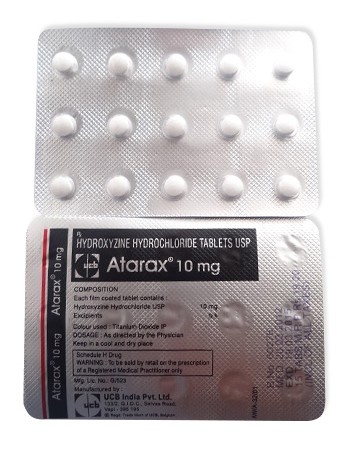
Several first-generation antihistamines are readily available across Canada without prescription. Diphenhydramine, commonly known by the brand name Benadryl, is one of the most widely used options for treating allergic reactions. Chlorpheniramine, available as Chlor-Tripolon, offers effective relief for hay fever and other allergic conditions. Hydroxyzine, while sometimes requiring a prescription depending on the formulation, is another option that provides both antihistamine and anti-anxiety effects.
Proper dosage guidelines are essential for safe and effective use of these medications:
First-generation antihistamines are known for causing significant drowsiness and sedation, which is their most notable side effect. This occurs because these medications can cross the blood-brain barrier and affect the central nervous system. Users should avoid driving, operating machinery, or engaging in activities requiring alertness while taking these medications. Other potential side effects include dry mouth, blurred vision, constipation, and urinary retention, particularly in older adults.
Second-generation antihistamines represent a significant advancement in allergy treatment, offering effective relief without the sedating effects commonly associated with older medications. These modern formulations are specifically designed to target histamine receptors while minimizing penetration across the blood-brain barrier, resulting in reduced drowsiness and improved daily functioning for Canadian patients managing allergic conditions.
The primary advantages of second-generation antihistamines include their selective action, longer duration of effectiveness, and improved safety profile. Unlike first-generation options, these medications allow patients to maintain normal activities, including driving and operating machinery, while effectively managing symptoms such as sneezing, runny nose, itchy eyes, and skin reactions.
Health Canada has approved several highly effective second-generation antihistamines that are readily available across Canadian pharmacies. These medications offer 24-hour relief with convenient once-daily dosing for most formulations:
These medications are available in various age-appropriate formulations including tablets, liquid suspensions for children, and orally disintegrating tablets for enhanced convenience. Proper dosing typically involves once-daily administration, though specific schedules may vary based on age, weight, and individual response to treatment.
Nasal corticosteroid sprays are considered the gold standard for treating allergic rhinitis and nasal congestion. These prescription and over-the-counter options provide targeted anti-inflammatory action directly at the source of nasal symptoms, offering superior control compared to oral medications alone.
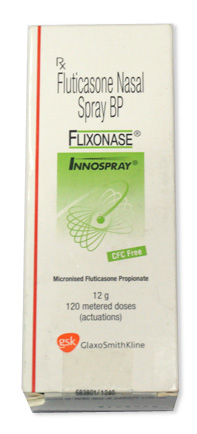
Leading options available in Canada include Fluticasone (Flonase), which provides 24-hour relief from nasal congestion and inflammation; Budesonide (Rhinocort), known for its excellent safety profile and effectiveness in children; and Mometasone (Nasonex), offering comprehensive symptom relief with once-daily dosing. Proper application technique is crucial for optimal results, involving gentle insertion into the nostril while directing the spray away from the nasal septum.
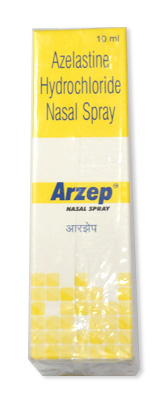
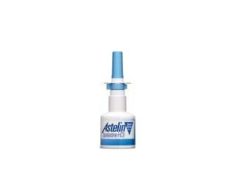
Antihistamine nasal sprays provide rapid, targeted relief for acute allergy symptoms, with onset of action typically within 15-30 minutes. Azelastine-based formulations are particularly popular in Canada, offering both antihistamine and anti-inflammatory properties for comprehensive nasal symptom management.
These quick-relief formulations are ideal for breakthrough symptoms or situations requiring immediate relief. Combination products that incorporate both antihistamine and corticosteroid components are also available, providing the benefits of both medication classes in a single convenient delivery system.
Topical antiallergic treatments offer direct relief for skin-related allergic reactions, including contact dermatitis, insect bites, and localized allergic responses. Antihistamine creams and lotions provide targeted relief from itching and inflammation, while calamine-based products offer cooling, soothing action for irritated skin.
Hydrocortisone preparations remain a cornerstone treatment for inflammatory skin reactions, available in various concentrations to match the severity of symptoms. These topical options are particularly valuable for localized treatment areas, minimizing systemic exposure while maximizing therapeutic benefit at the affected site.
Allergic conjunctivitis affects millions of Canadians, causing uncomfortable symptoms that can significantly impact daily life. The most common signs include red, itchy, and watery eyes, often accompanied by swelling of the eyelids and a burning sensation. These symptoms can be classified into two main categories: seasonal allergic conjunctivitis, which typically occurs during spring and fall when pollen counts are high, and perennial allergic conjunctivitis, which persists year-round due to indoor allergens such as dust mites, pet dander, or mould.
Canadian pharmacies offer several effective eye drop options for managing allergic conjunctivitis. Ketotifen (available as Zaditor) provides both antihistamine and mast cell stabilizing properties, offering long-lasting relief with twice-daily dosing. Olopatadine-based drops are another excellent choice, providing rapid symptom relief and preventing future allergic reactions. Antihistamine-decongestant combinations can offer quick relief for acute symptoms but should be used sparingly to avoid rebound effects.
Proper administration is crucial for effectiveness. Always wash hands before application, avoid touching the dropper tip to the eye, and wait at least five minutes between different eye medications. Patients should be aware of contraindications, including certain glaucoma medications and contact lens compatibility issues.
Anaphylaxis is a life-threatening allergic reaction that requires immediate medical intervention. Canadians should recognize the warning signs, which can develop within minutes of exposure to an allergen. Key symptoms include difficulty breathing, swelling of the face, lips, or throat, rapid pulse, dizziness, and widespread hives or skin reactions. Severe reactions may also cause nausea, vomiting, or loss of consciousness. If any combination of these symptoms occurs, especially involving breathing difficulties or cardiovascular symptoms, emergency medical services should be contacted immediately by calling 911.
Epinephrine auto-injectors, such as EpiPen, are prescription medications available through Canadian pharmacies for individuals at risk of severe allergic reactions. These devices require a prescription from a licensed physician and are covered under many provincial drug plans and private insurance policies. Proper storage is essential – devices should be kept at room temperature, protected from extreme heat or cold, and checked regularly for expiration dates.
Training for patients and family members is crucial for effective emergency response. Key points include:
Following severe allergic reactions, healthcare providers may prescribe additional medications such as prednisone to prevent biphasic reactions and reduce inflammation. Hospital-grade treatments may include intravenous antihistamines, corticosteroids, and bronchodilators. Follow-up care typically involves allergy specialist referrals and development of comprehensive emergency action plans.
Selecting appropriate antiallergic medication requires careful consideration of several factors. The type and severity of allergic reactions help determine whether over-the-counter options are sufficient or if prescription medications are necessary. Age plays a crucial role, as pediatric formulations and dosing differ significantly from adult recommendations. Existing health conditions, particularly cardiovascular disease, glaucoma, or prostate enlargement, may contraindicate certain antihistamines or decongestants.
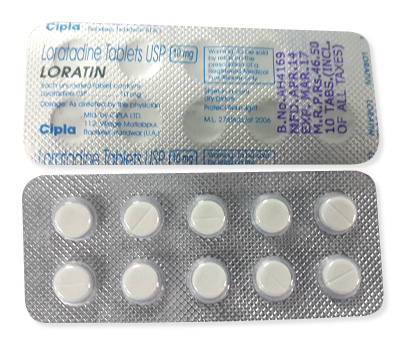
Drug interactions are particularly important for Canadians taking multiple medications. First-generation antihistamines can enhance the sedative effects of other central nervous system depressants, while some antihistamines may interact with heart medications. During pregnancy and breastfeeding, specific antihistamines like loratadine and cetirizine are generally considered safer options.
Canadian pharmacists can provide valuable guidance for over-the-counter antiallergic selections and help identify when physician consultation is necessary. Complex allergic conditions, recurring severe reactions, or inadequate symptom control warrant medical evaluation. Allergy testing can identify specific triggers, enabling targeted avoidance strategies and personalized treatment approaches. Regular monitoring ensures treatment effectiveness and allows for seasonal adjustments or medication changes as needed.